About Me
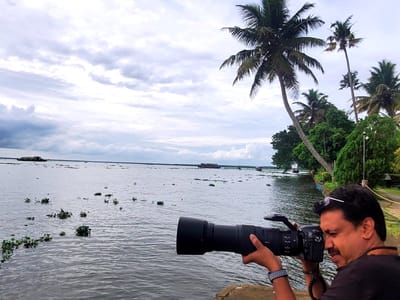
I am a self-taught photographer based in B'lore. My passion for photography started at a young age, and over the years, I have developed a keen eye for detail and a unique perspective on the world around me.
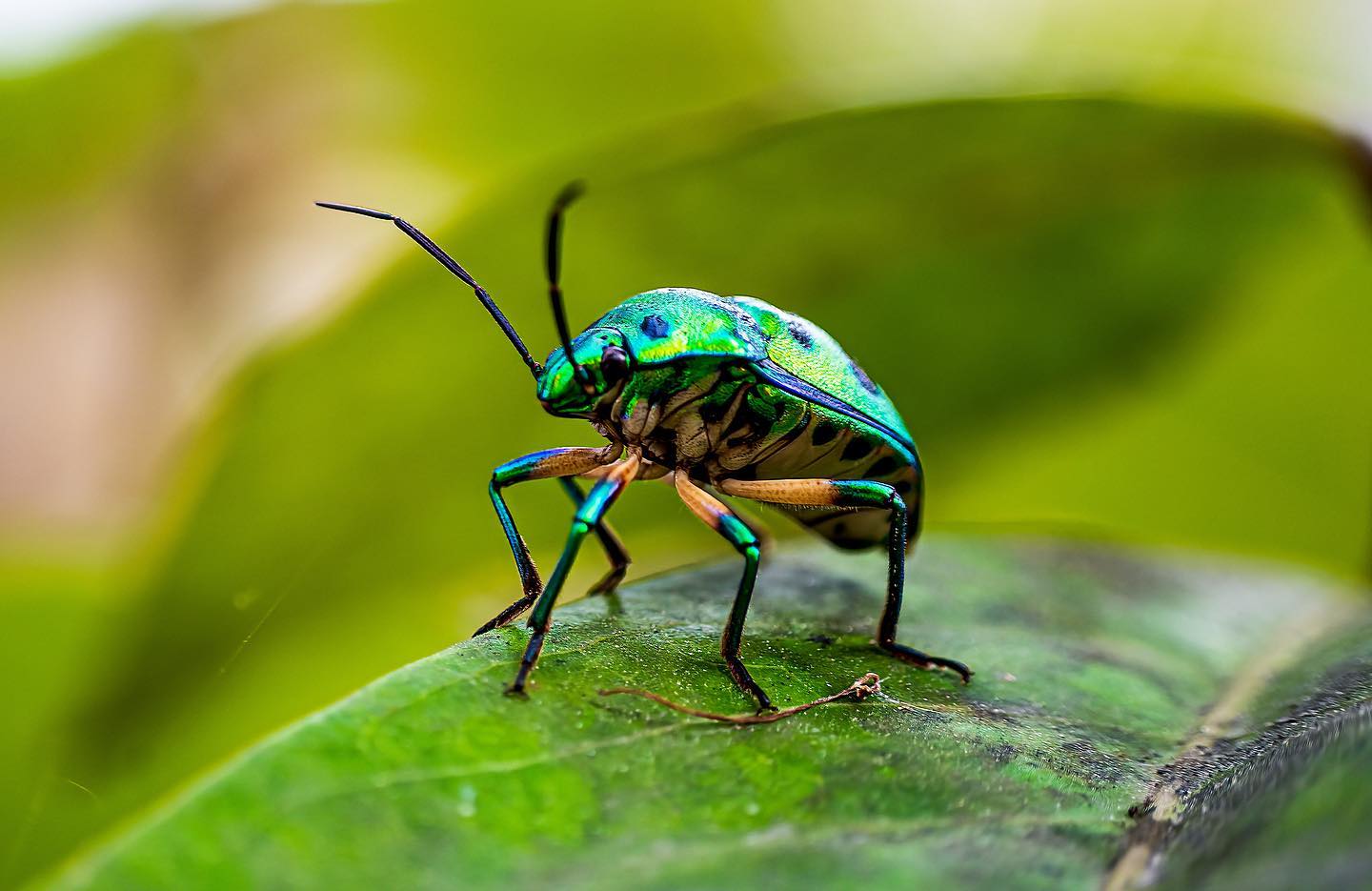
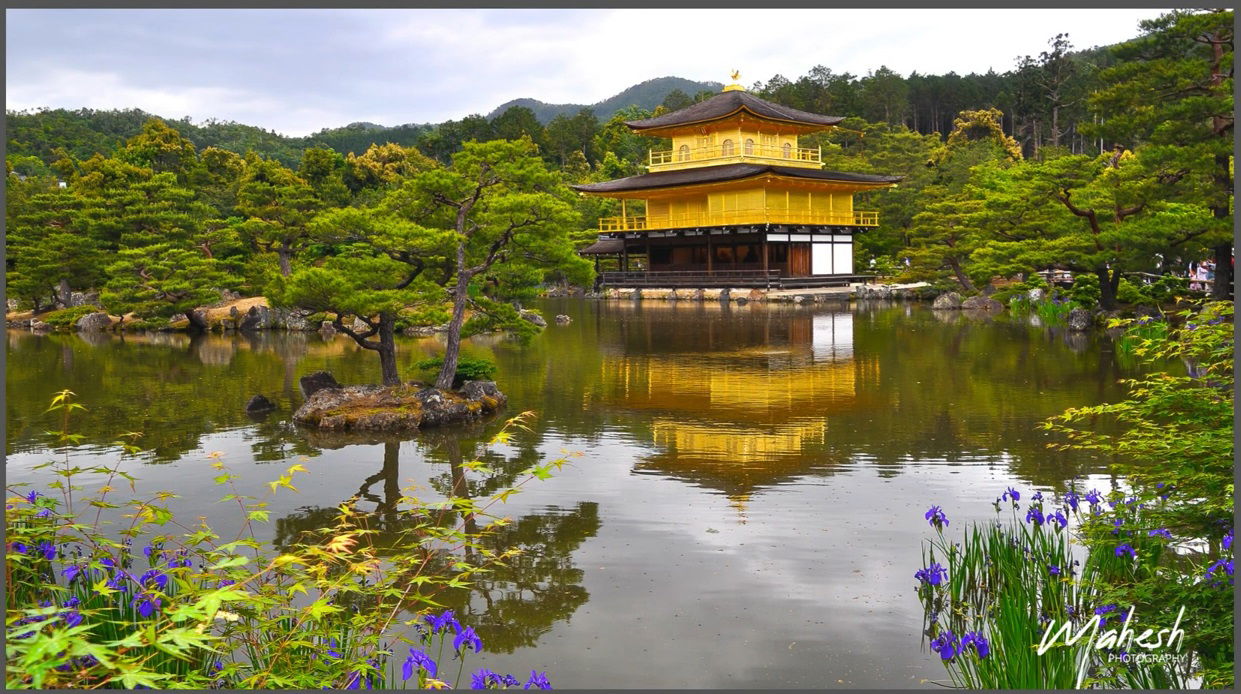
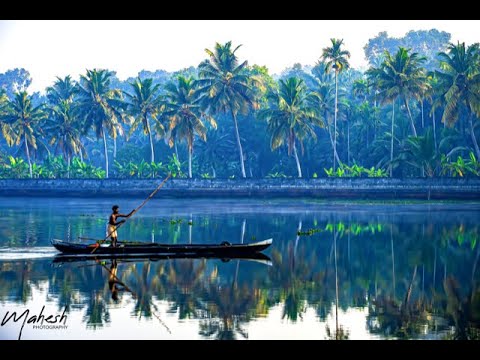
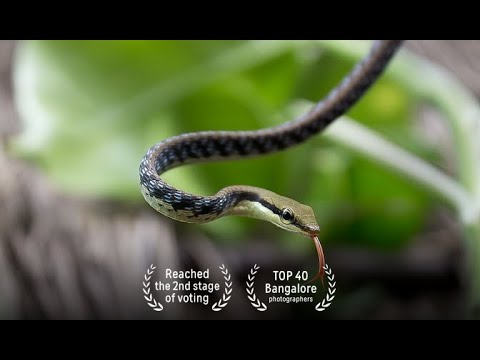
I specialize in Wildlife and also, Landscape, Architectural & Macro photography and I am committed to capturing the beauty and essence of my subjects through my lens.
Whether I'm photographing a scenic landscape or a candid shot of a family, my goal is to create images that are both beautiful and authentic. I believe that every photograph should evoke a feeling, and I strive to capture the essence of my subjects in every shot.
Please take a moment to browse through my portfolio and explore the various types of photography. If you have any questions , please do not hesitate to contact me. Thank you.
about.me

Gallery

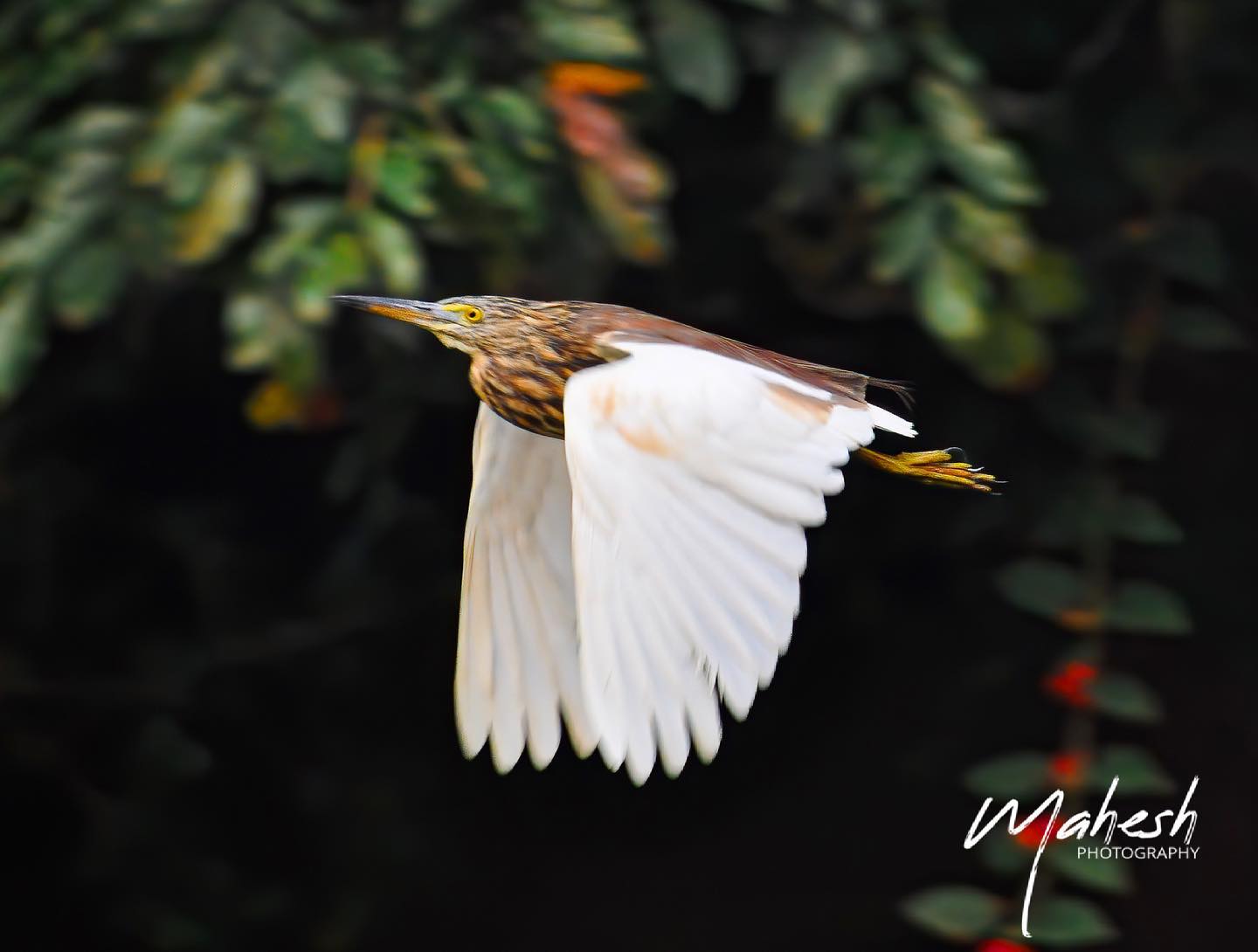
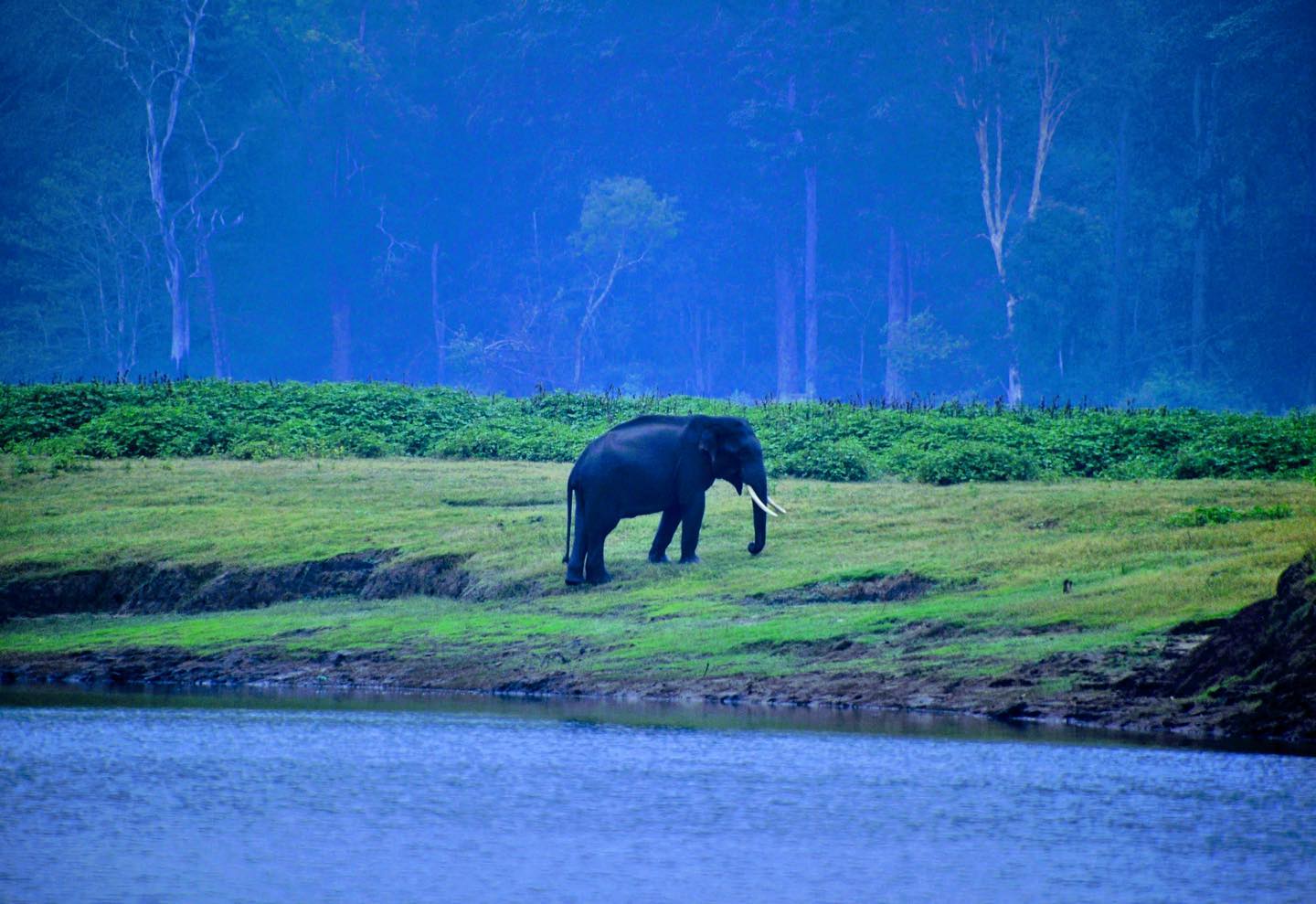
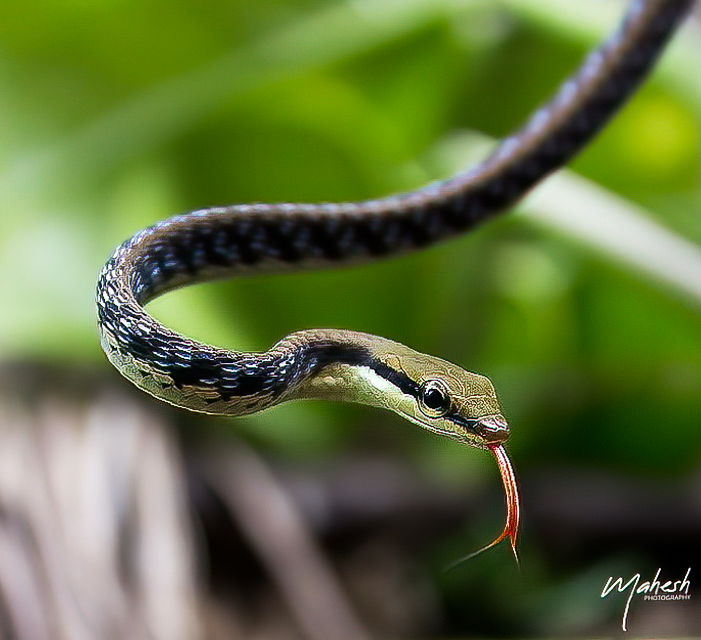
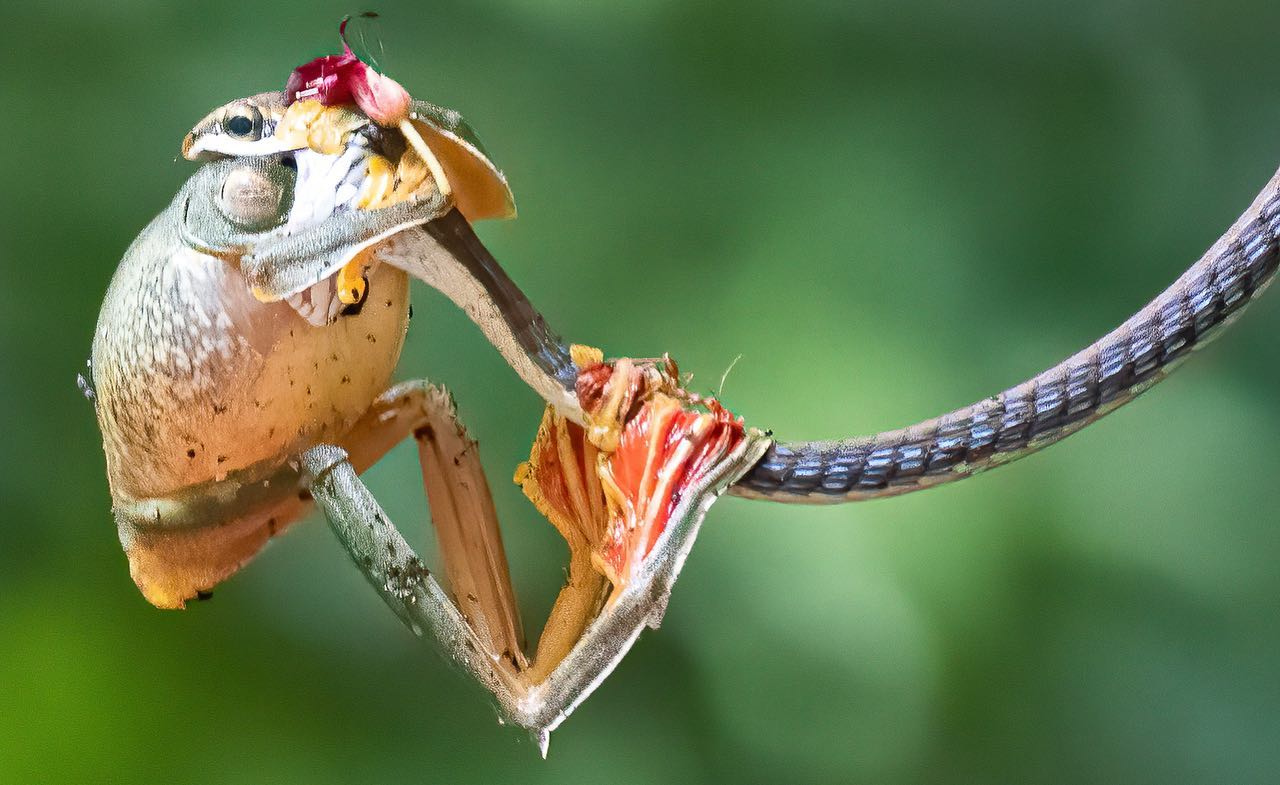
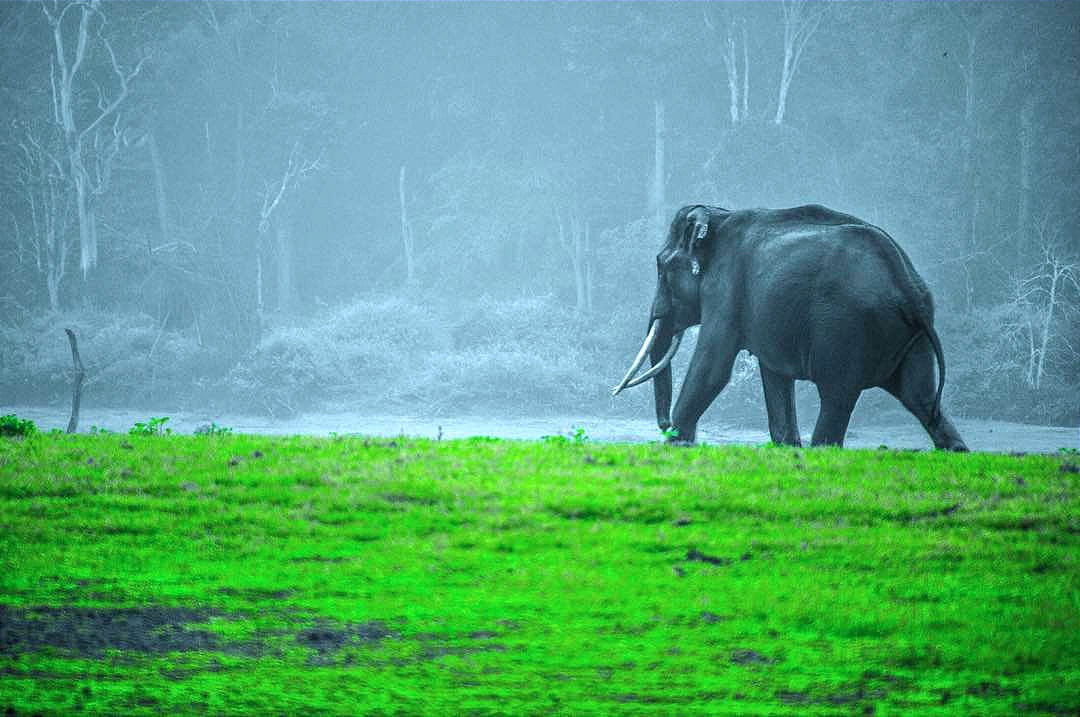
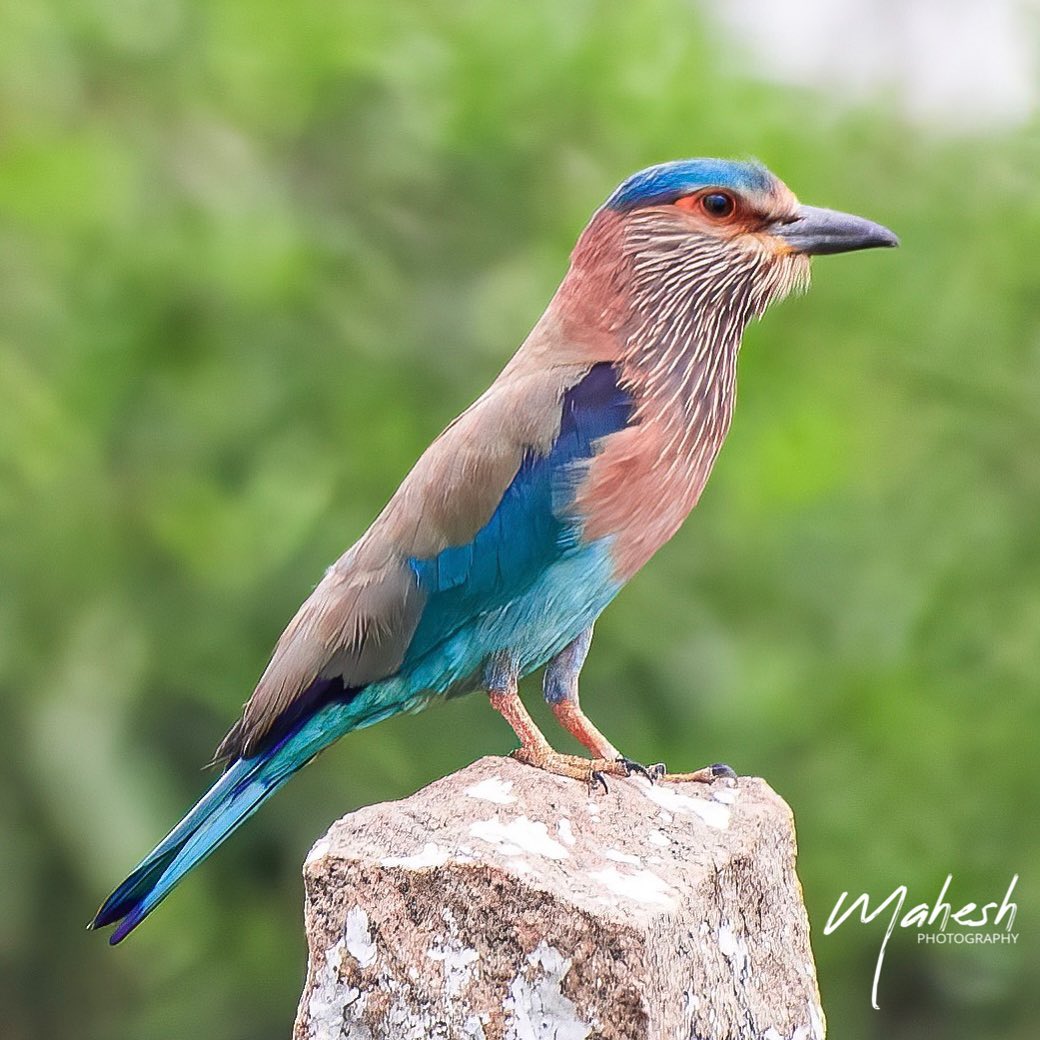
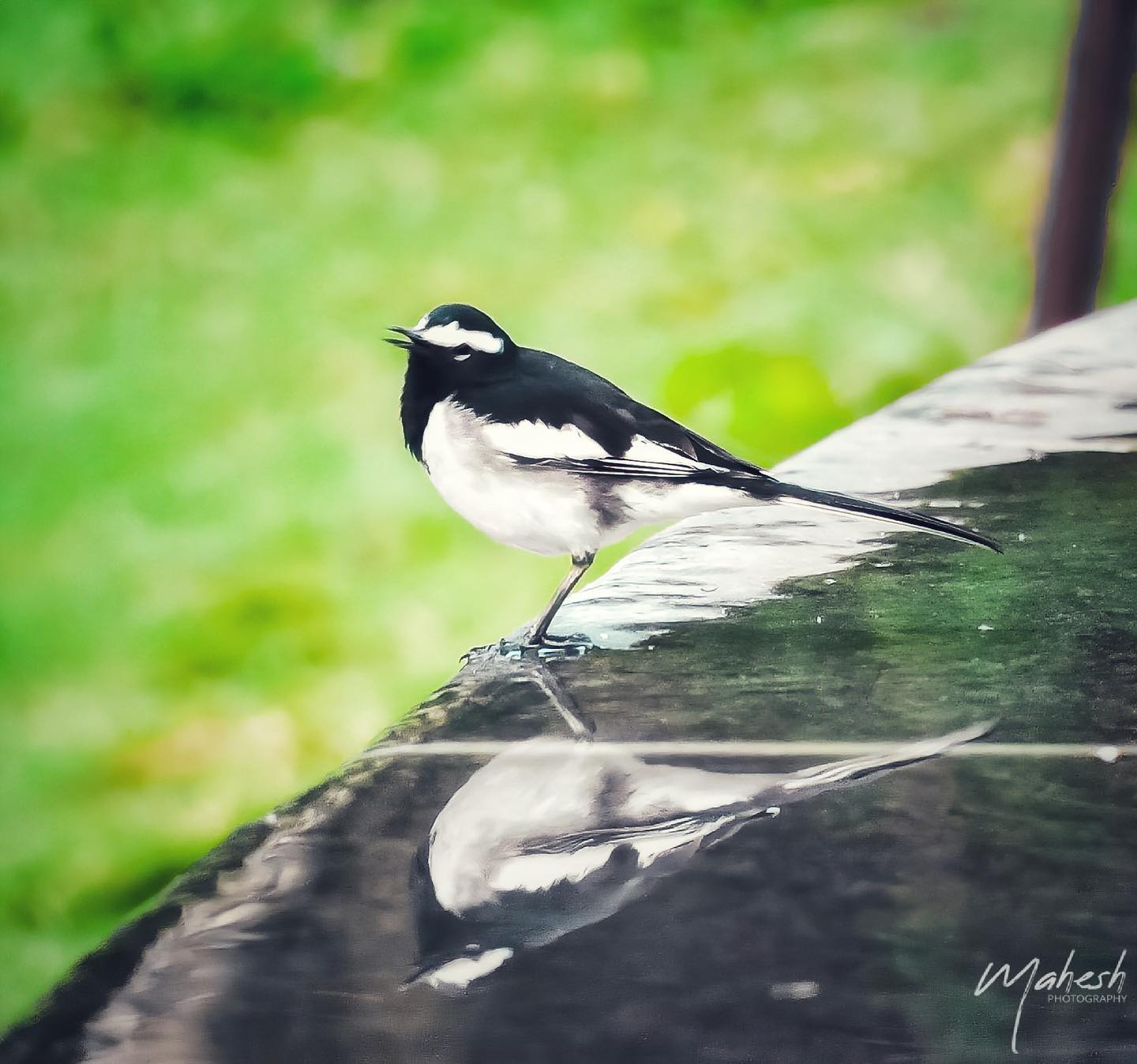
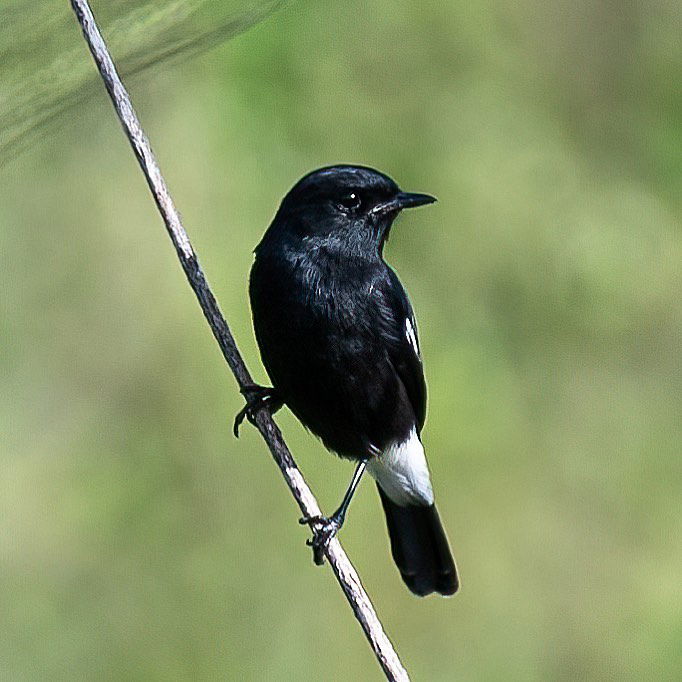
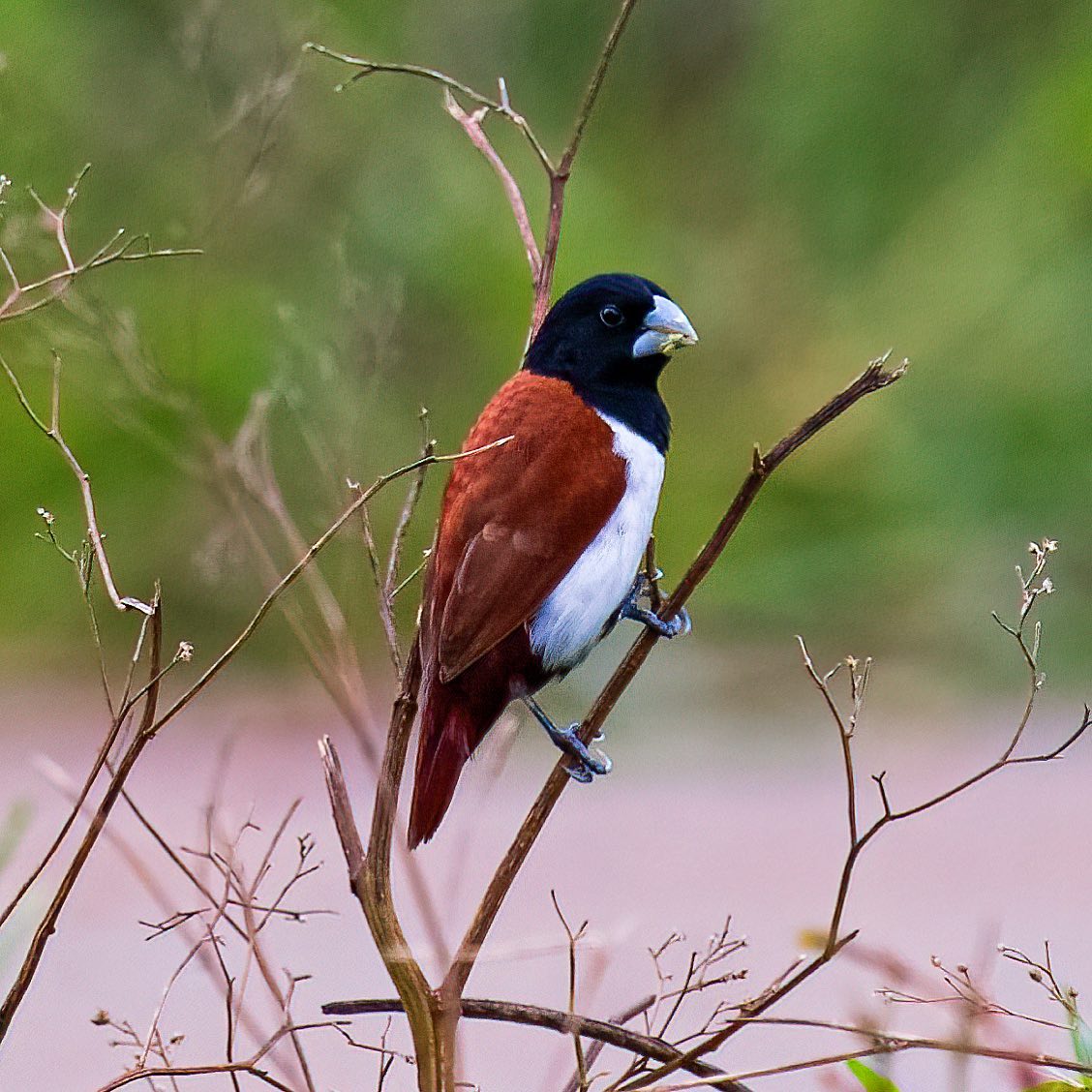
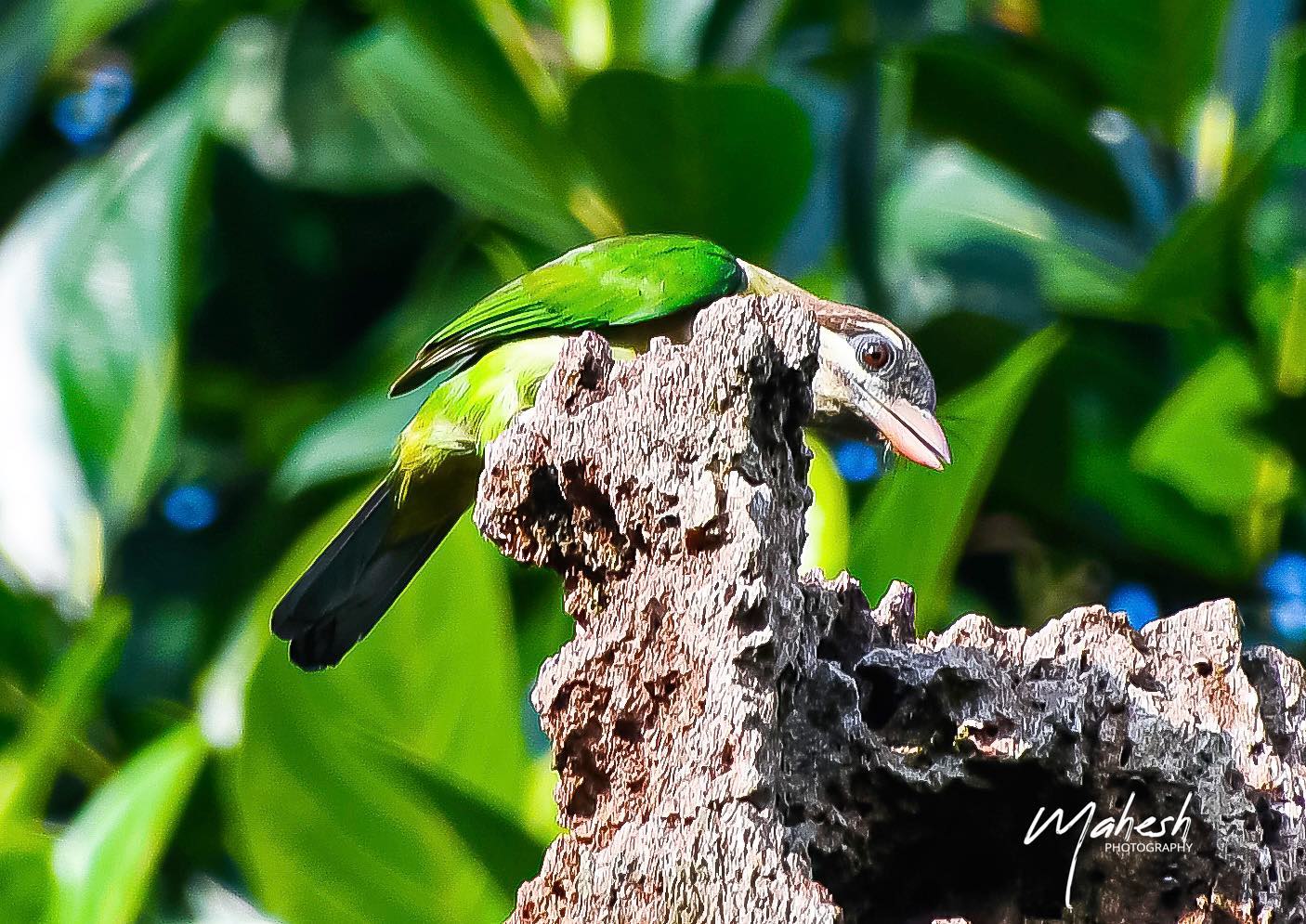
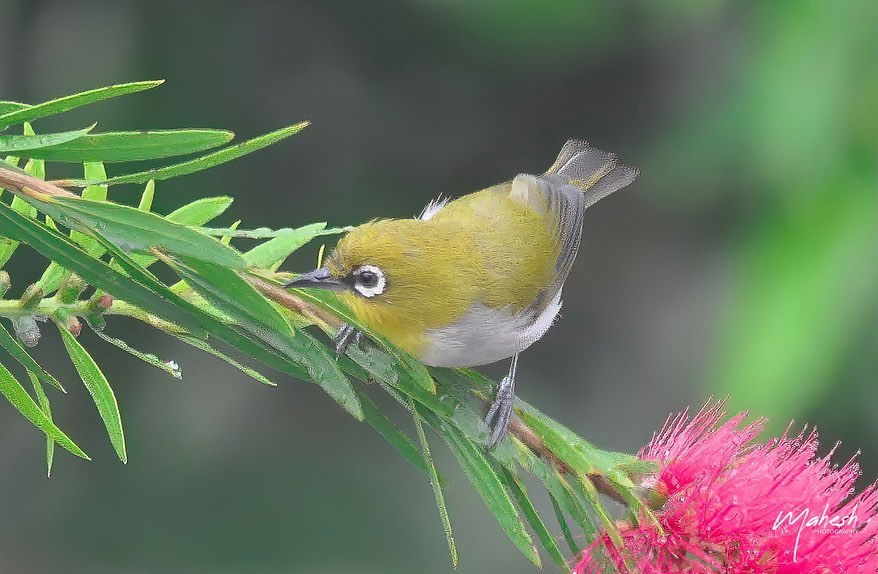
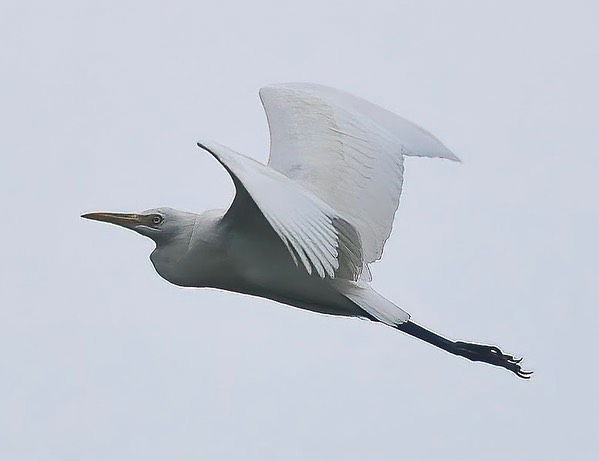
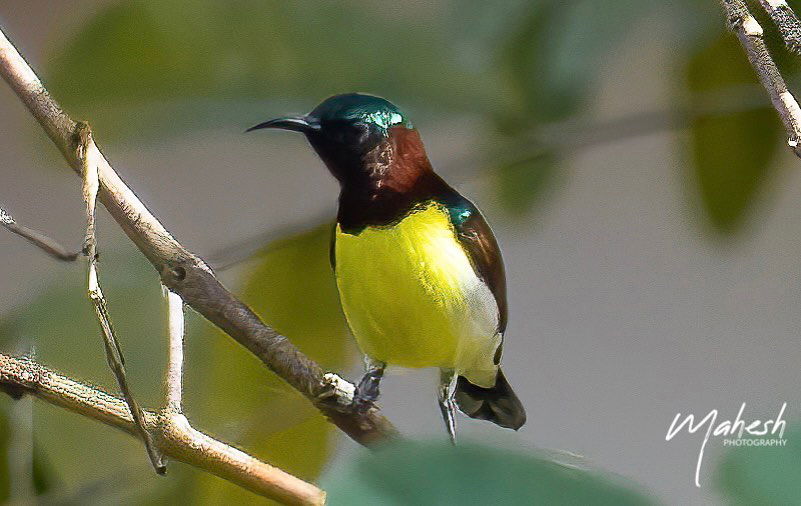
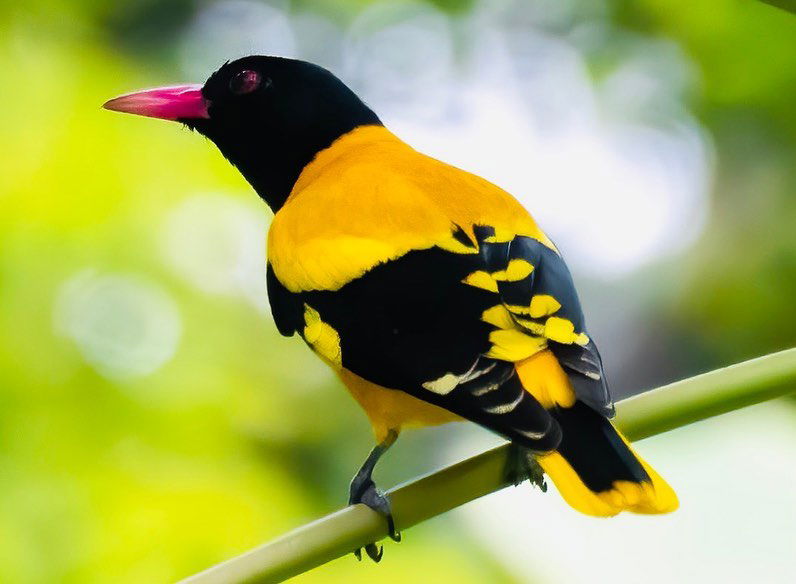
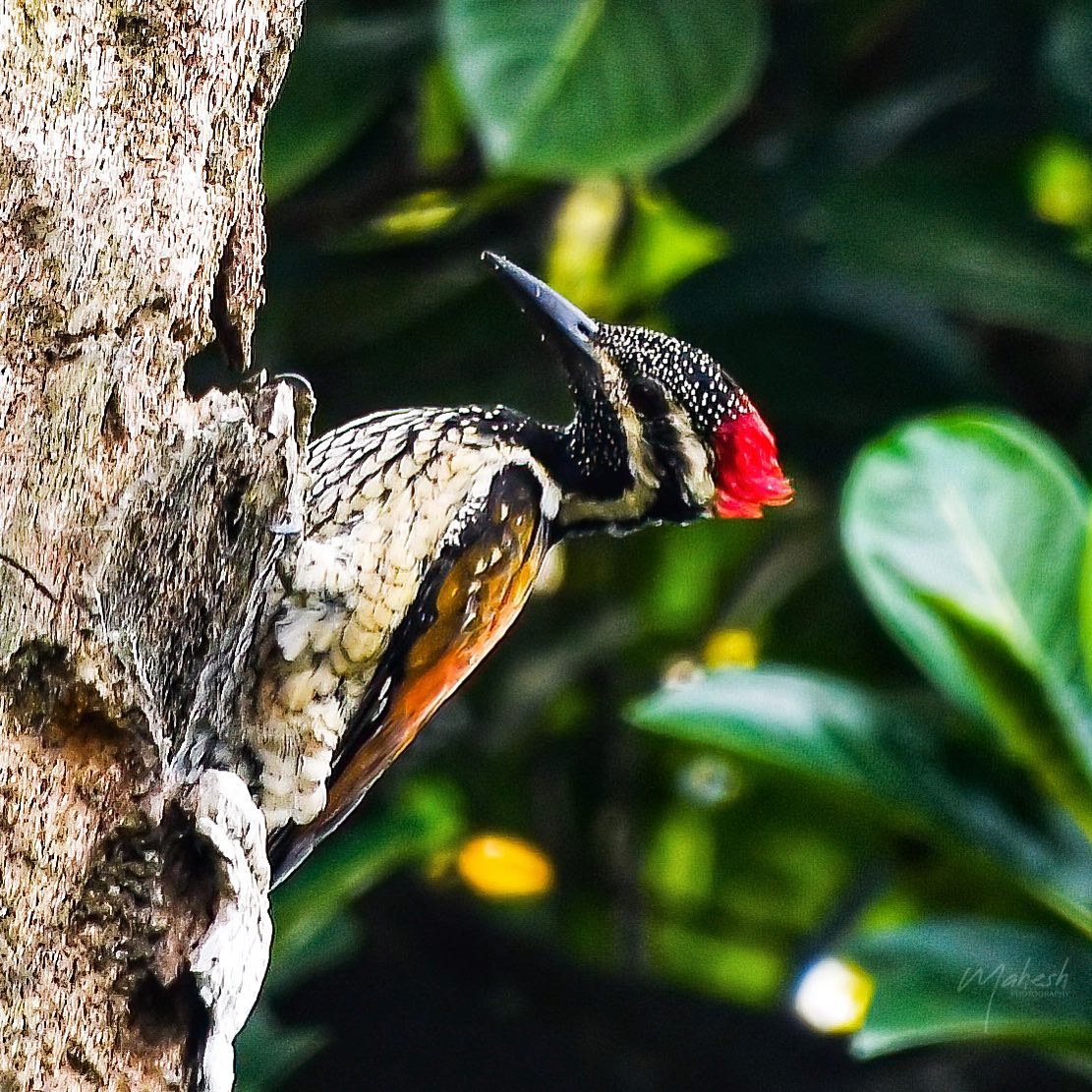
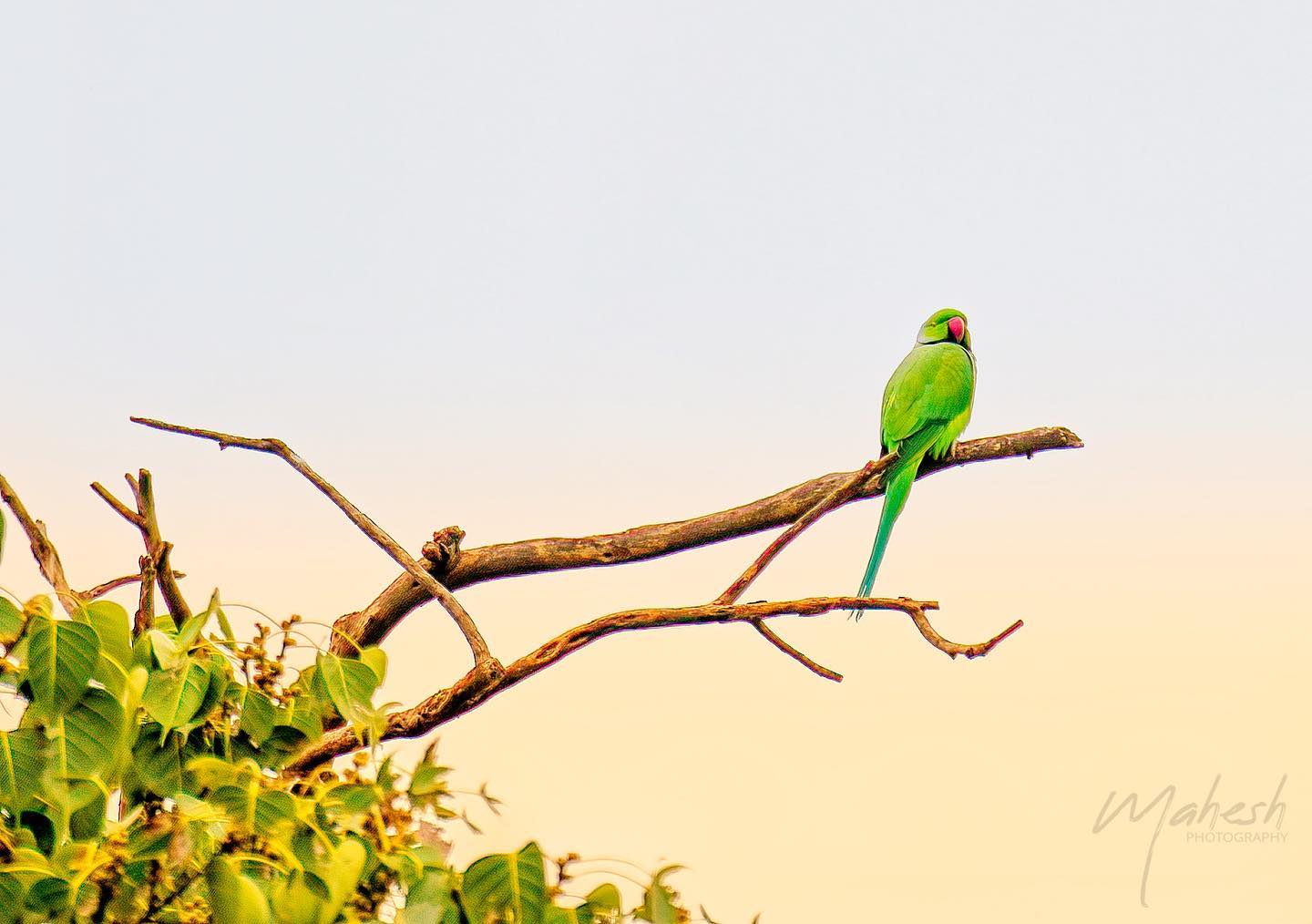
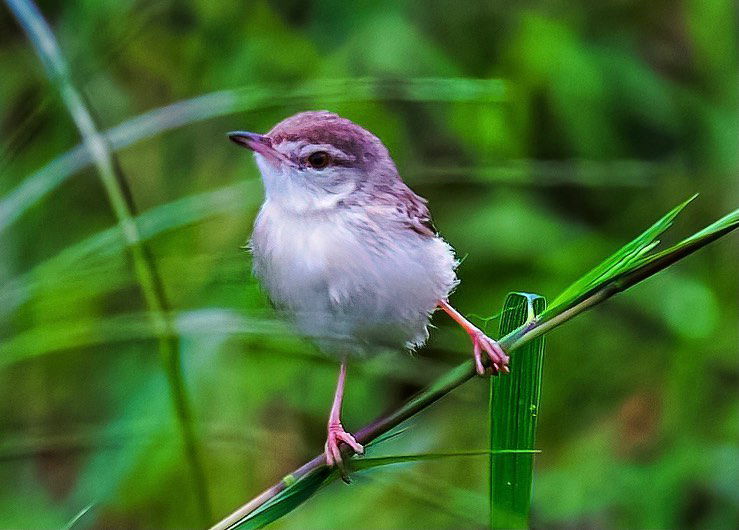
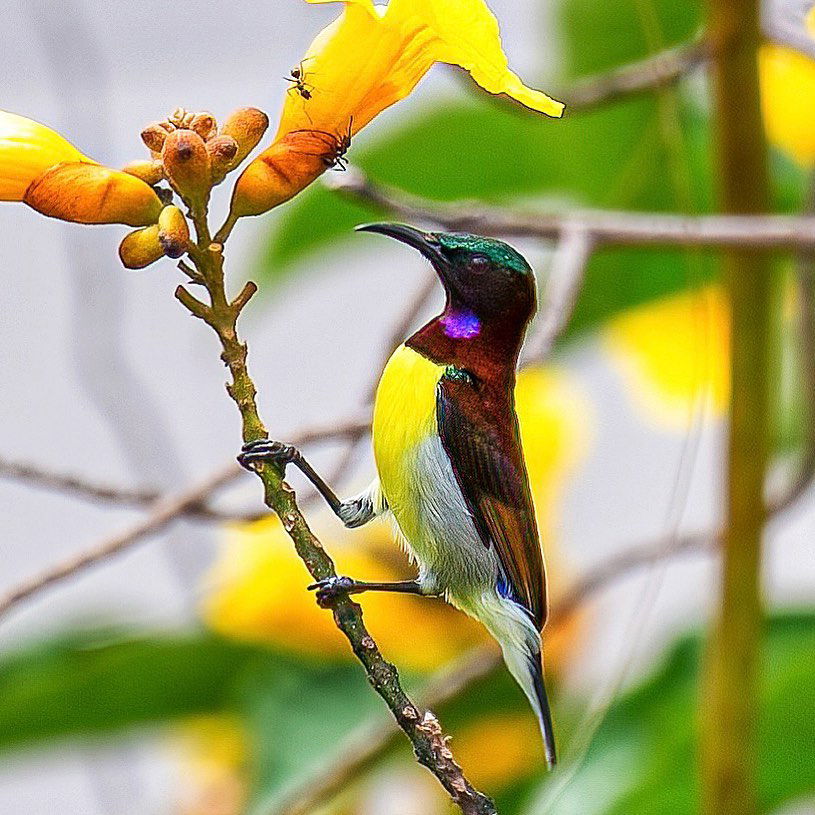
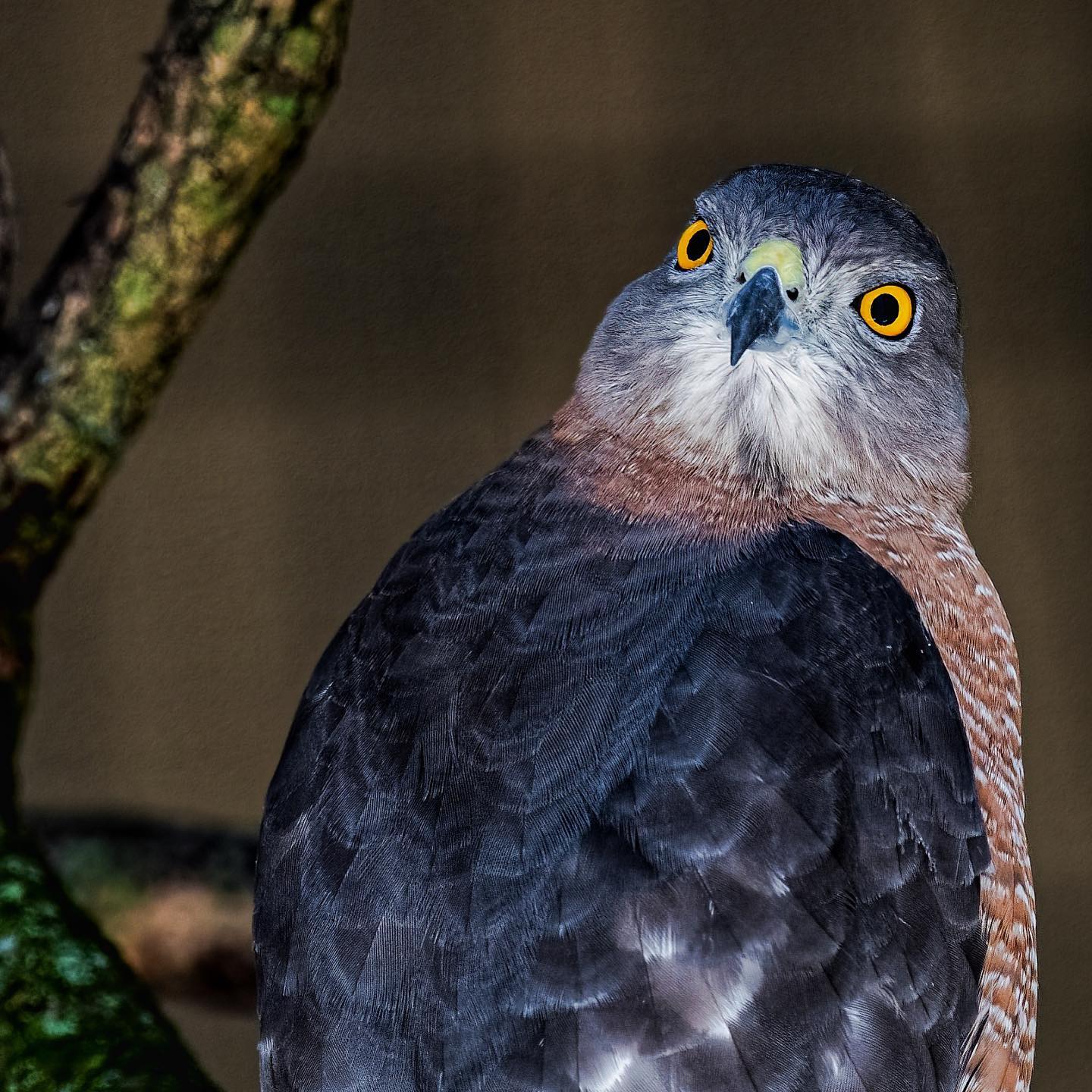
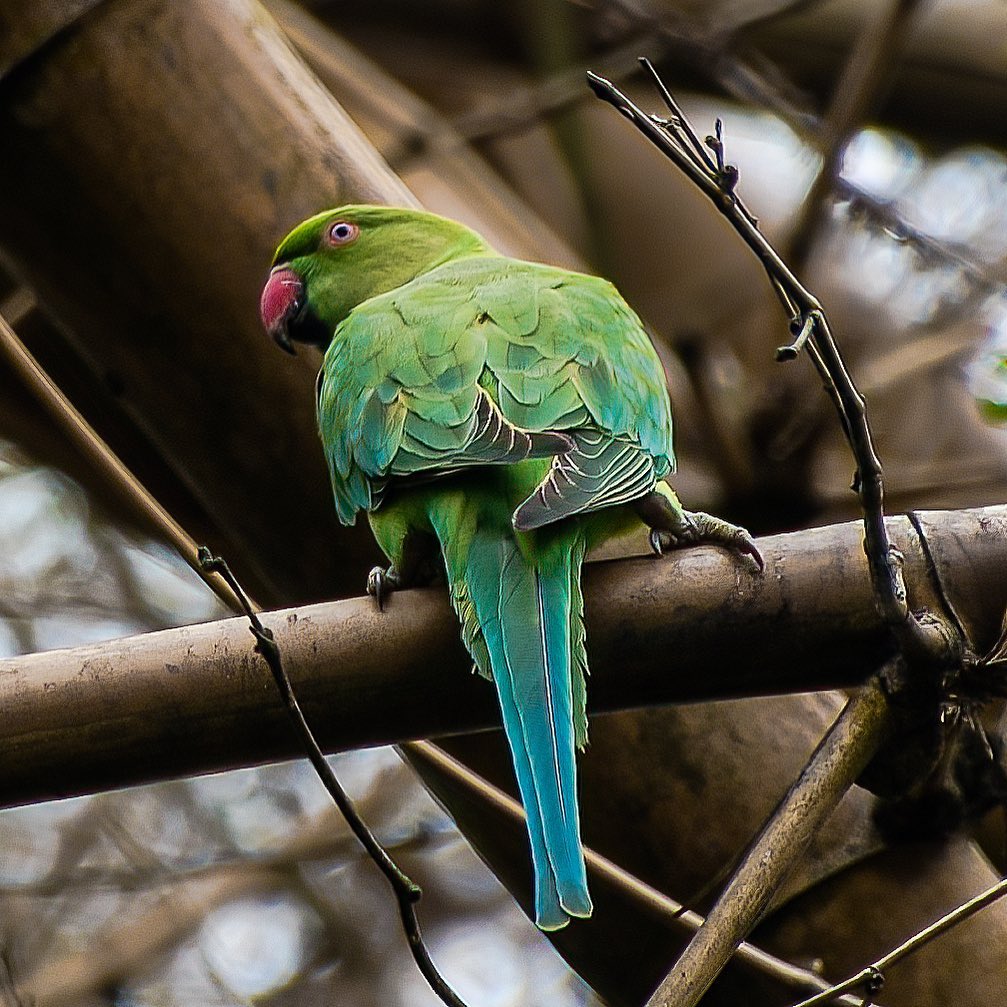
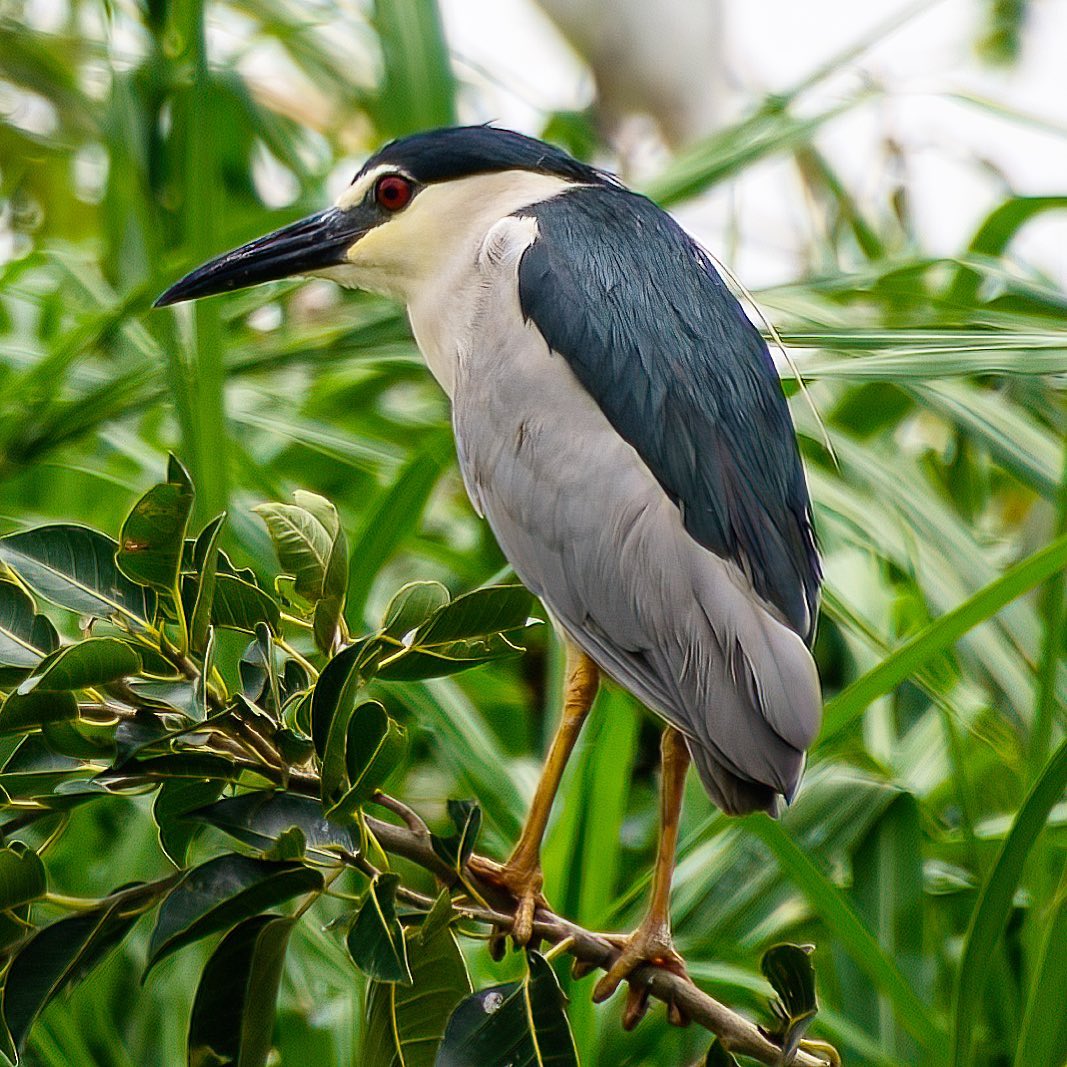
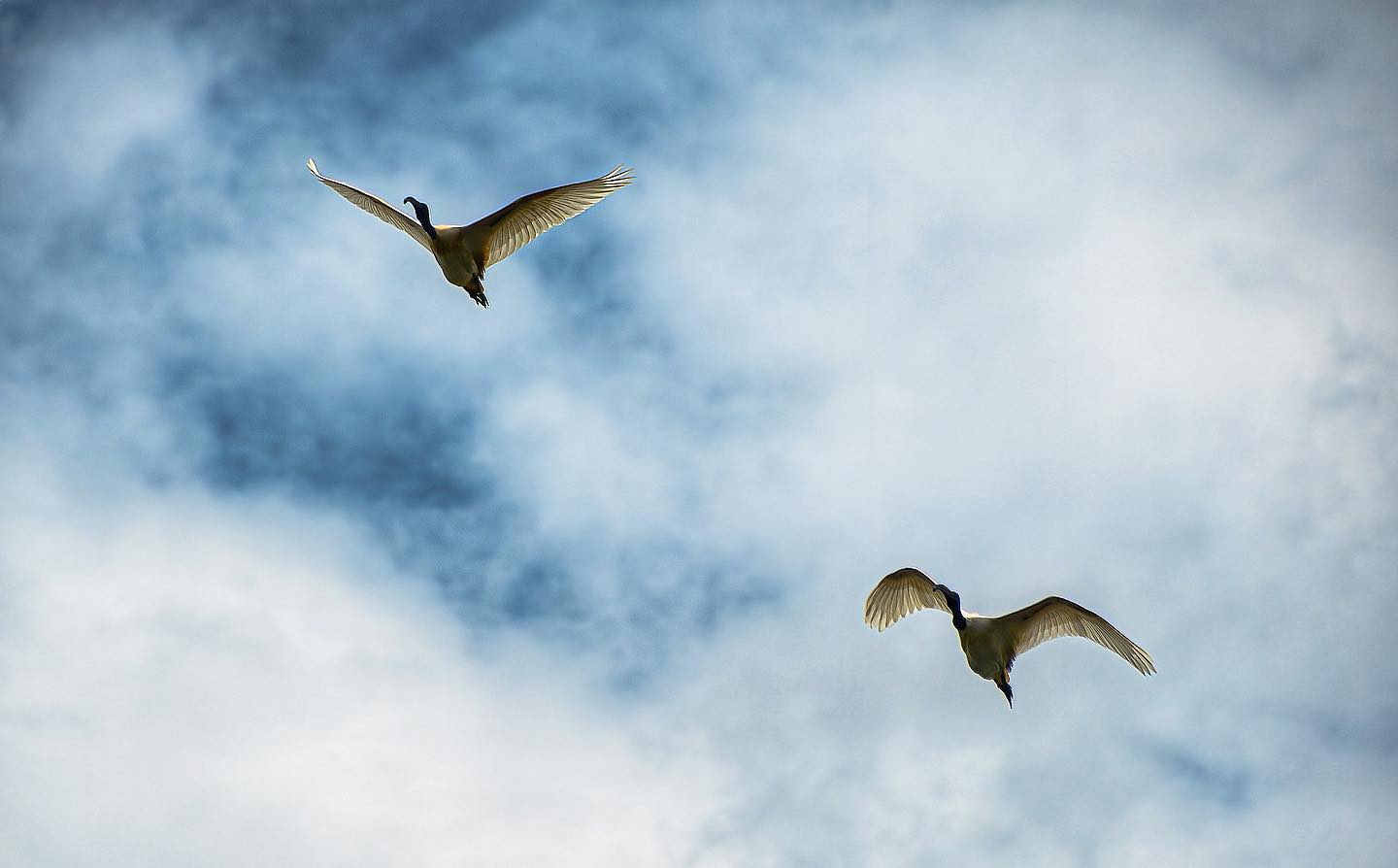
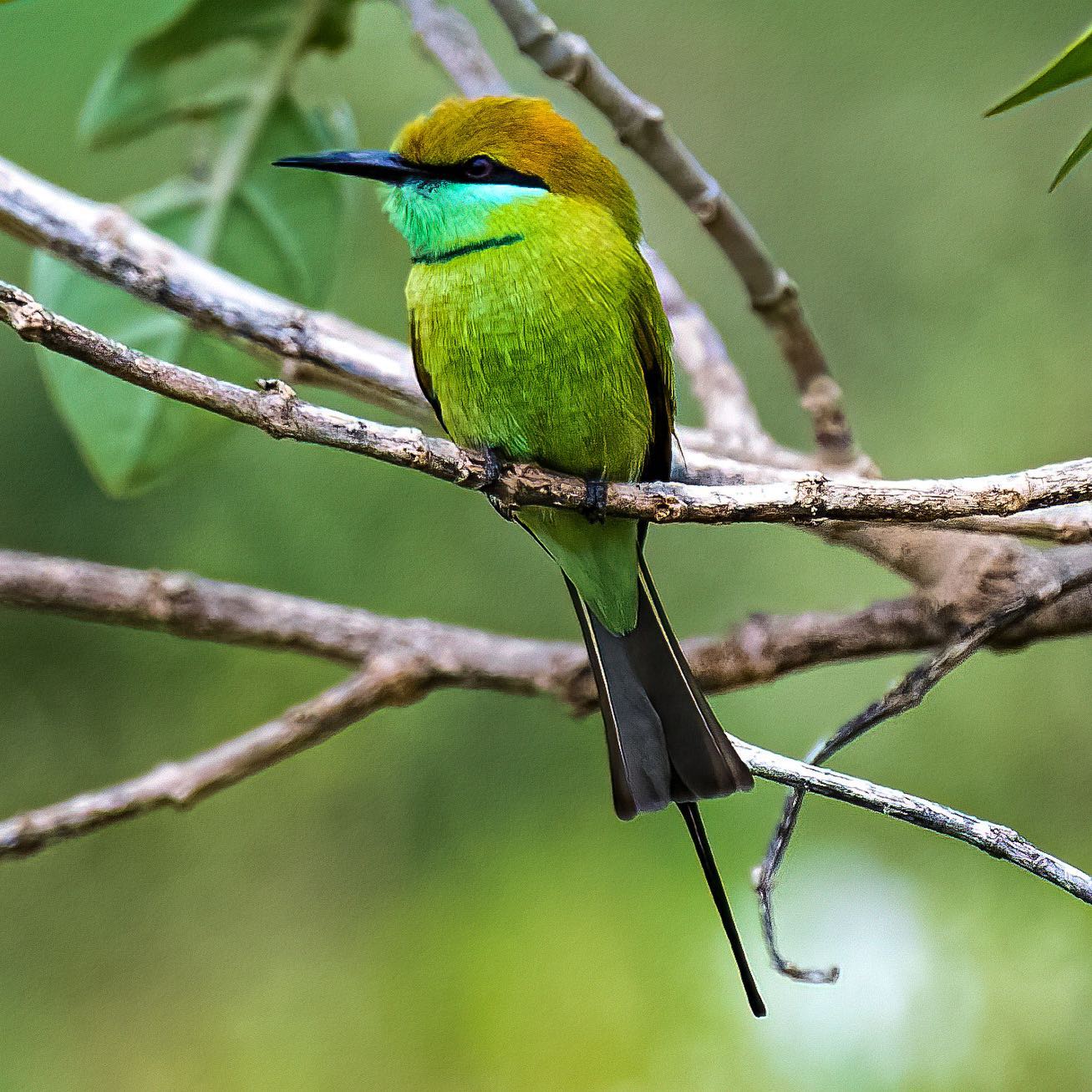

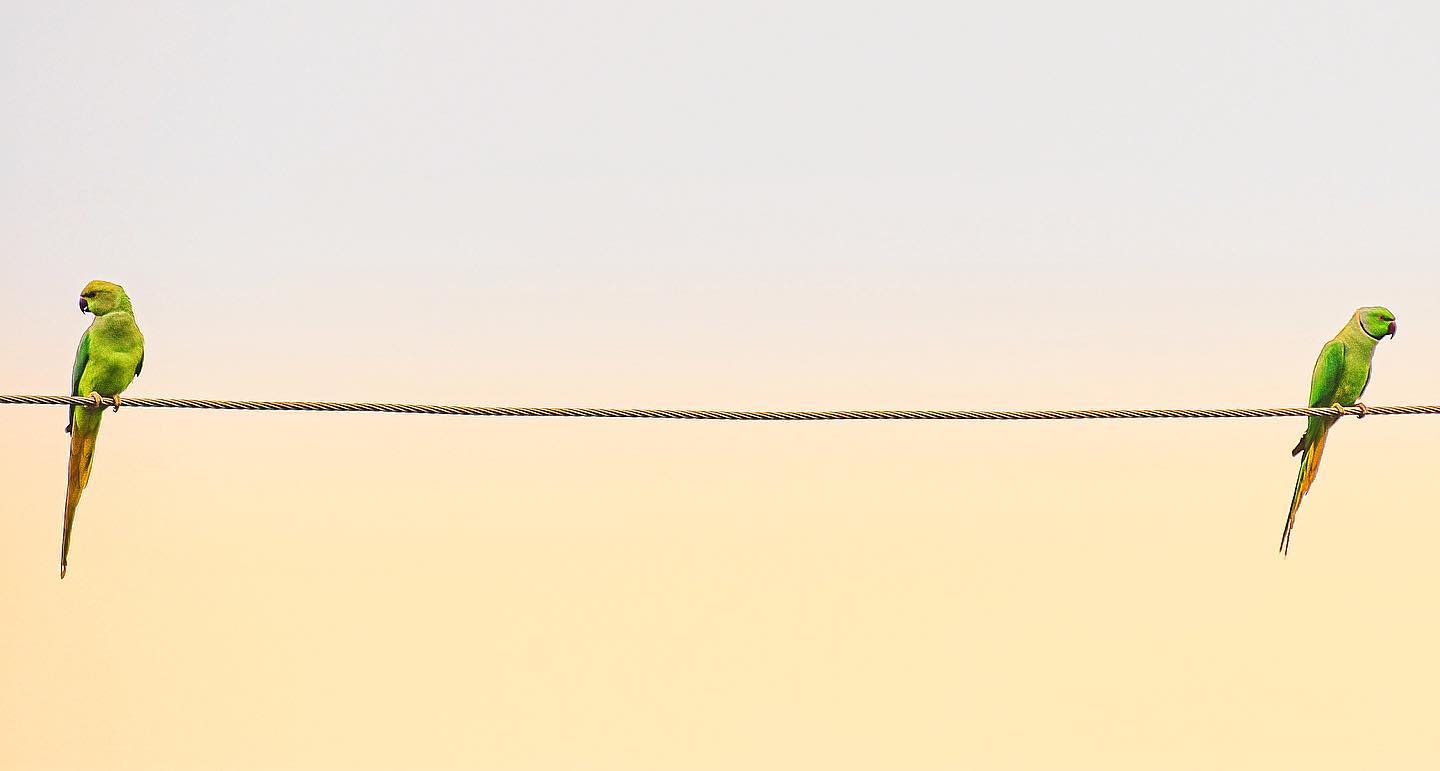
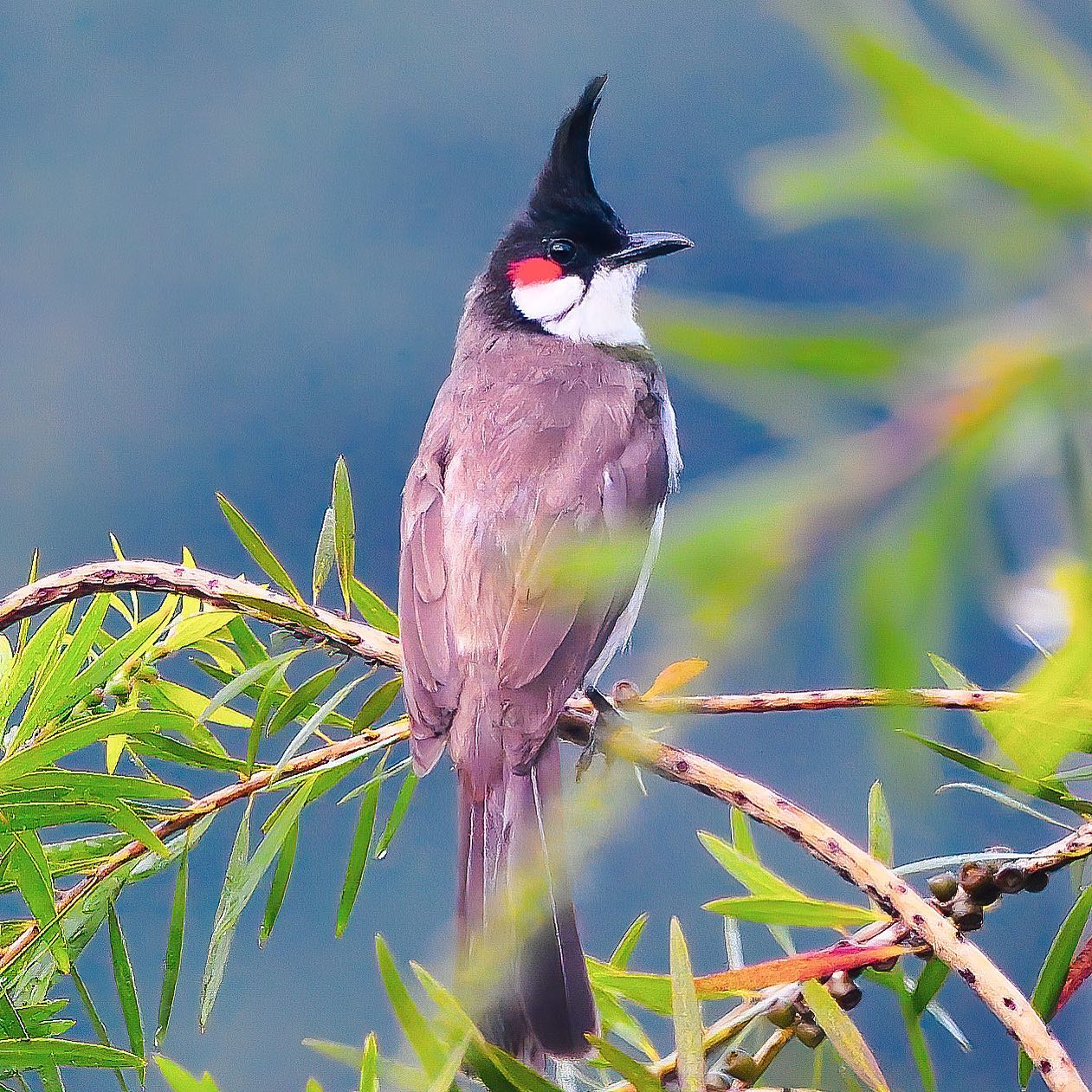
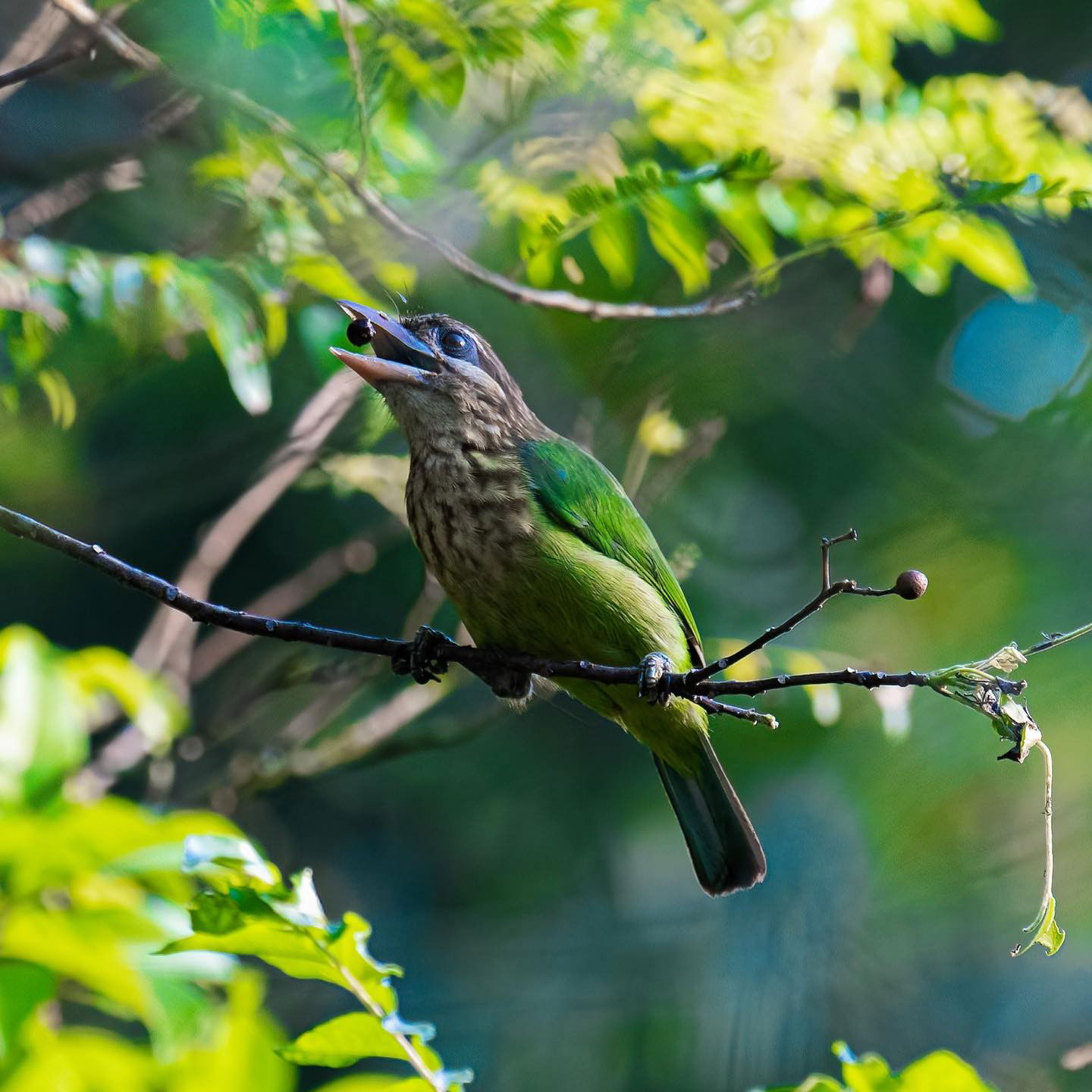
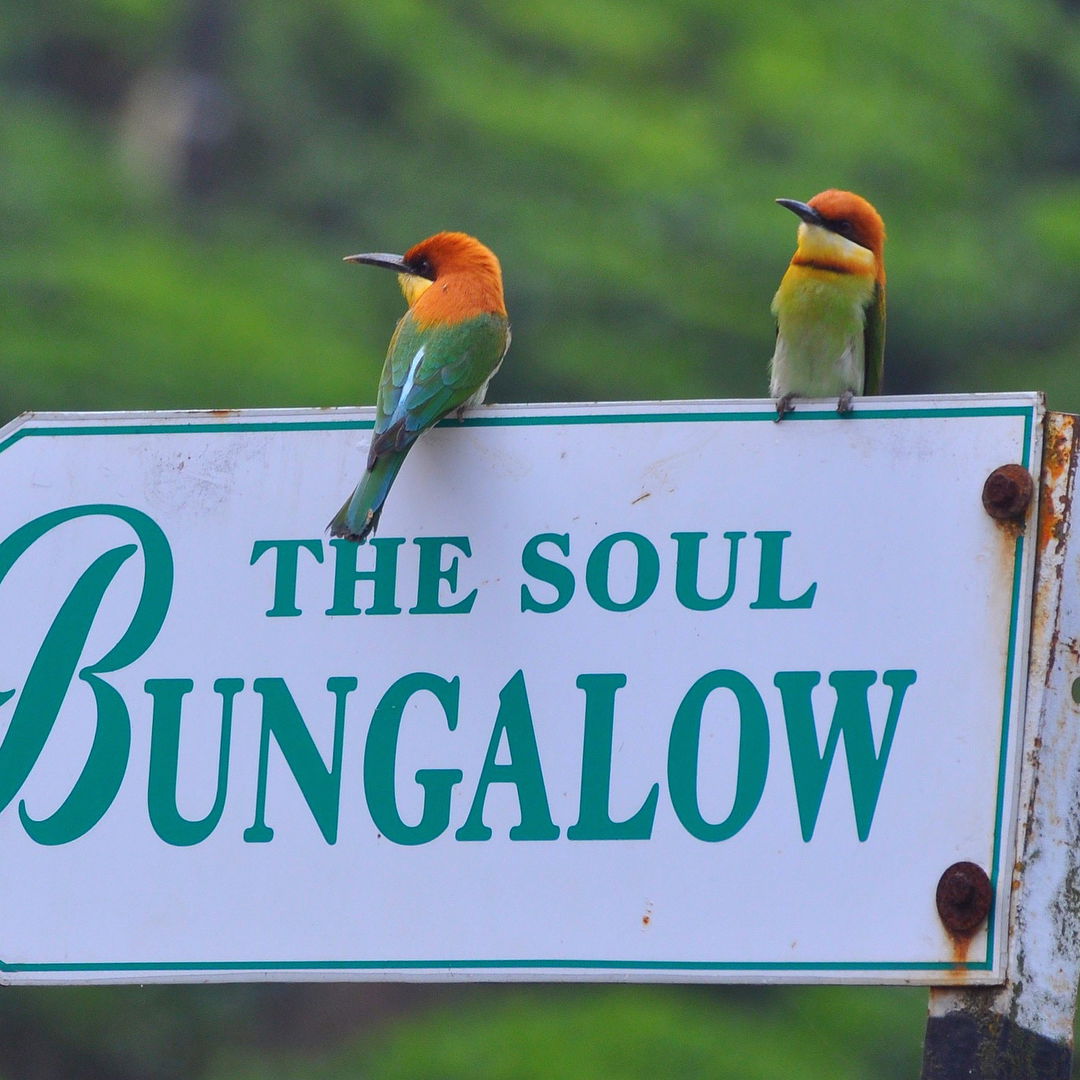
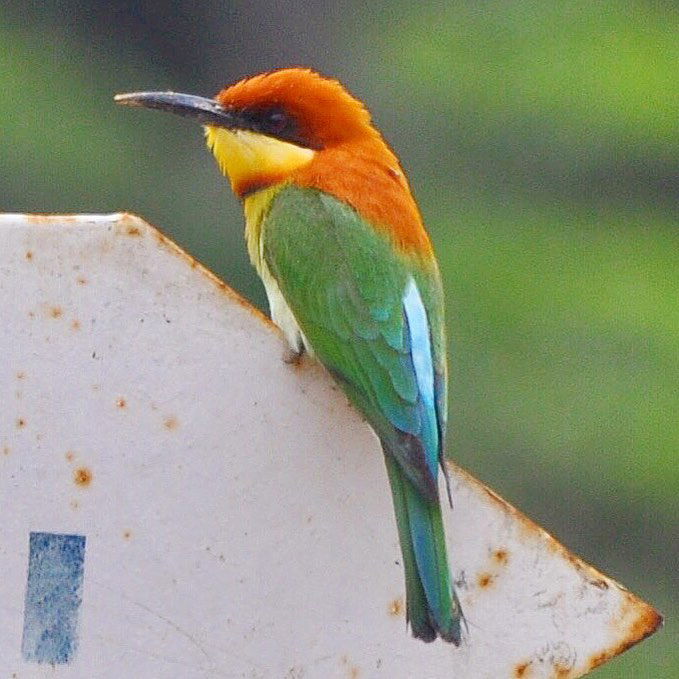

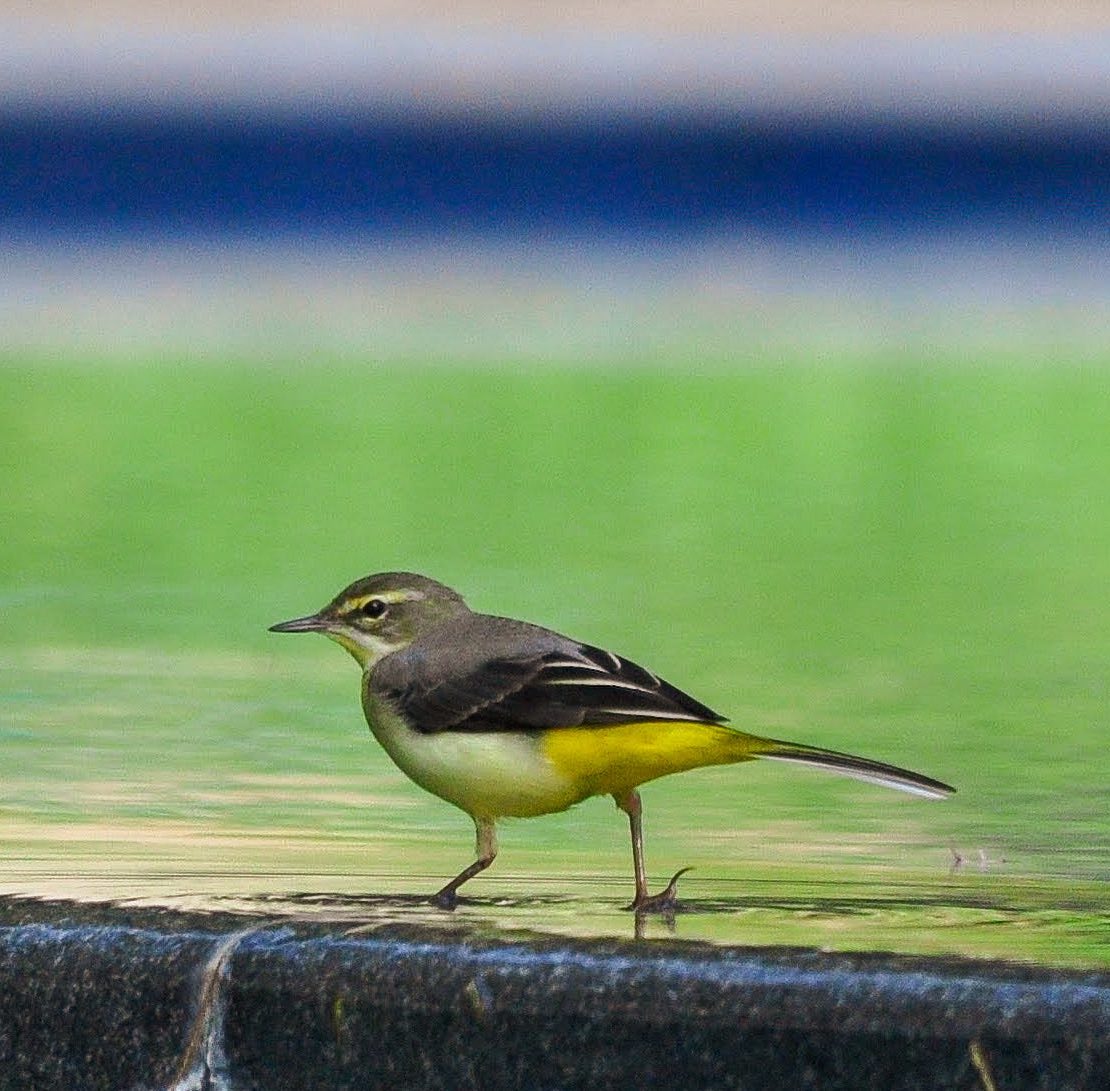
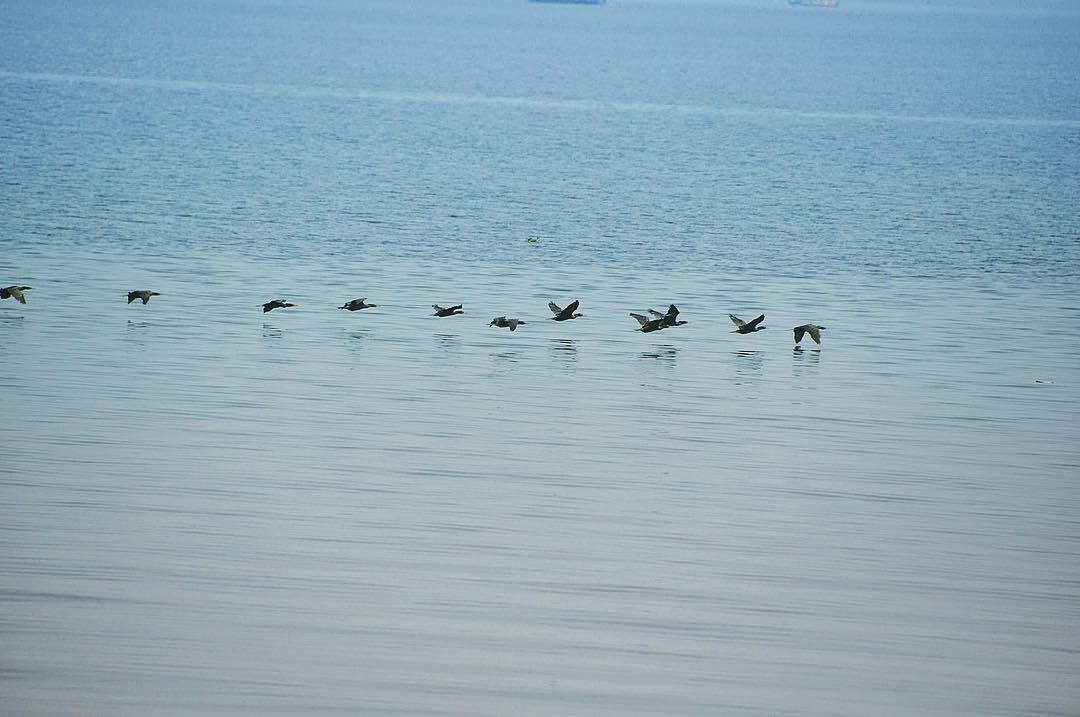

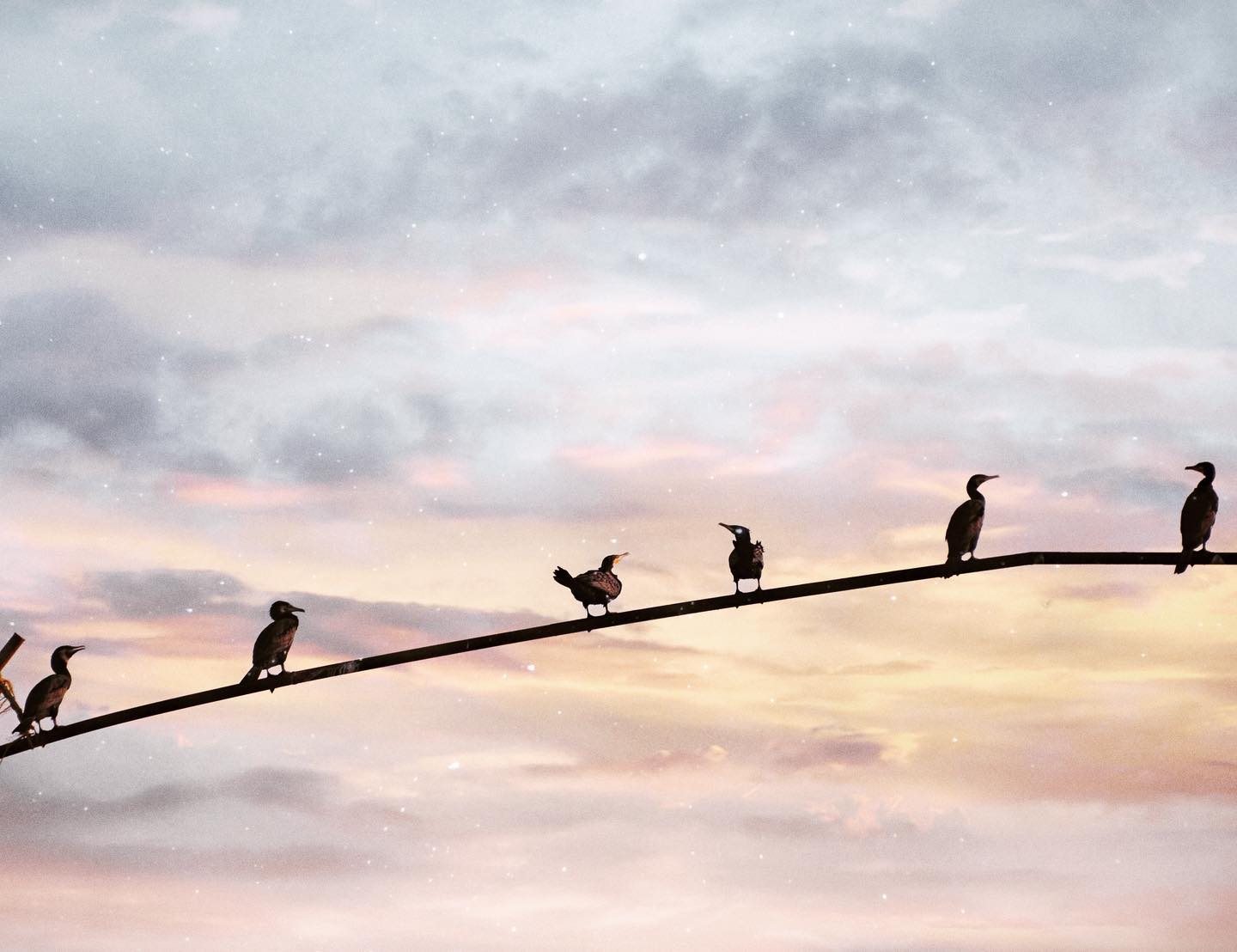
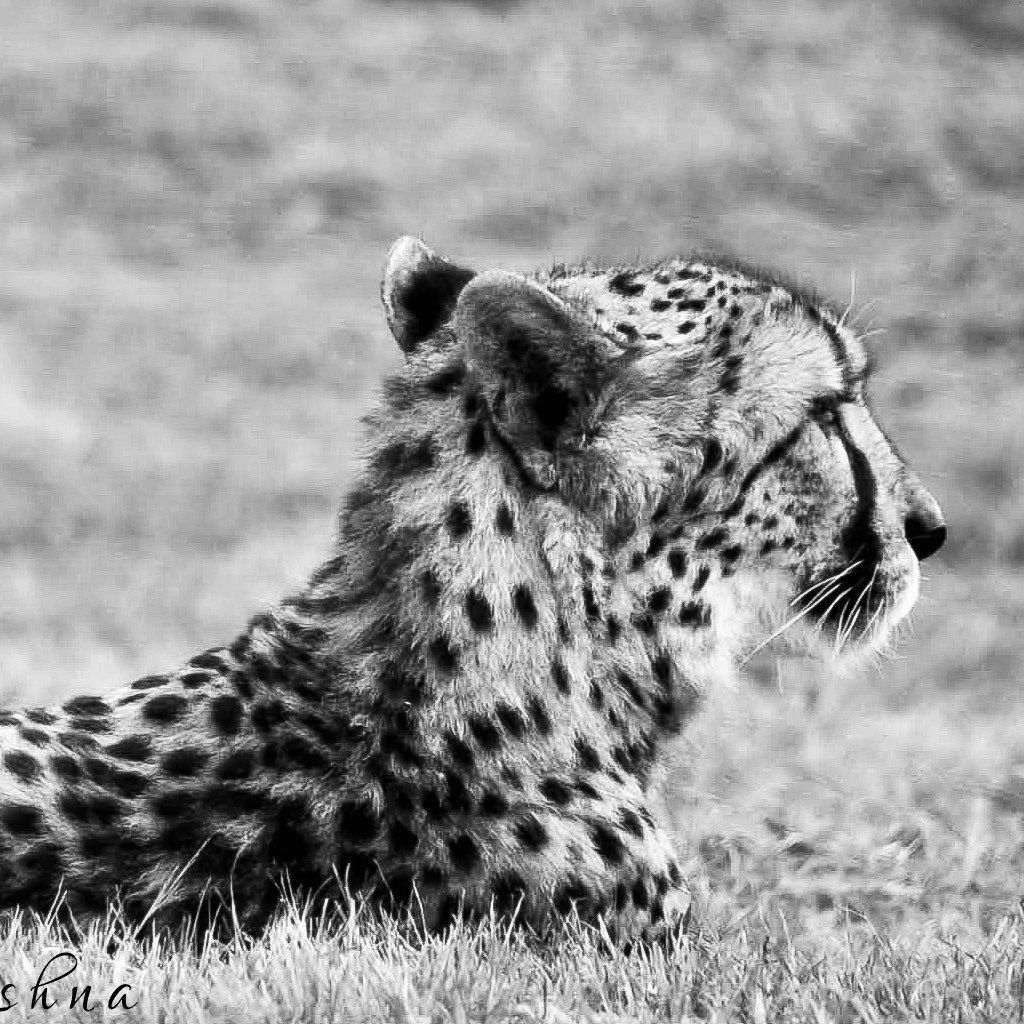
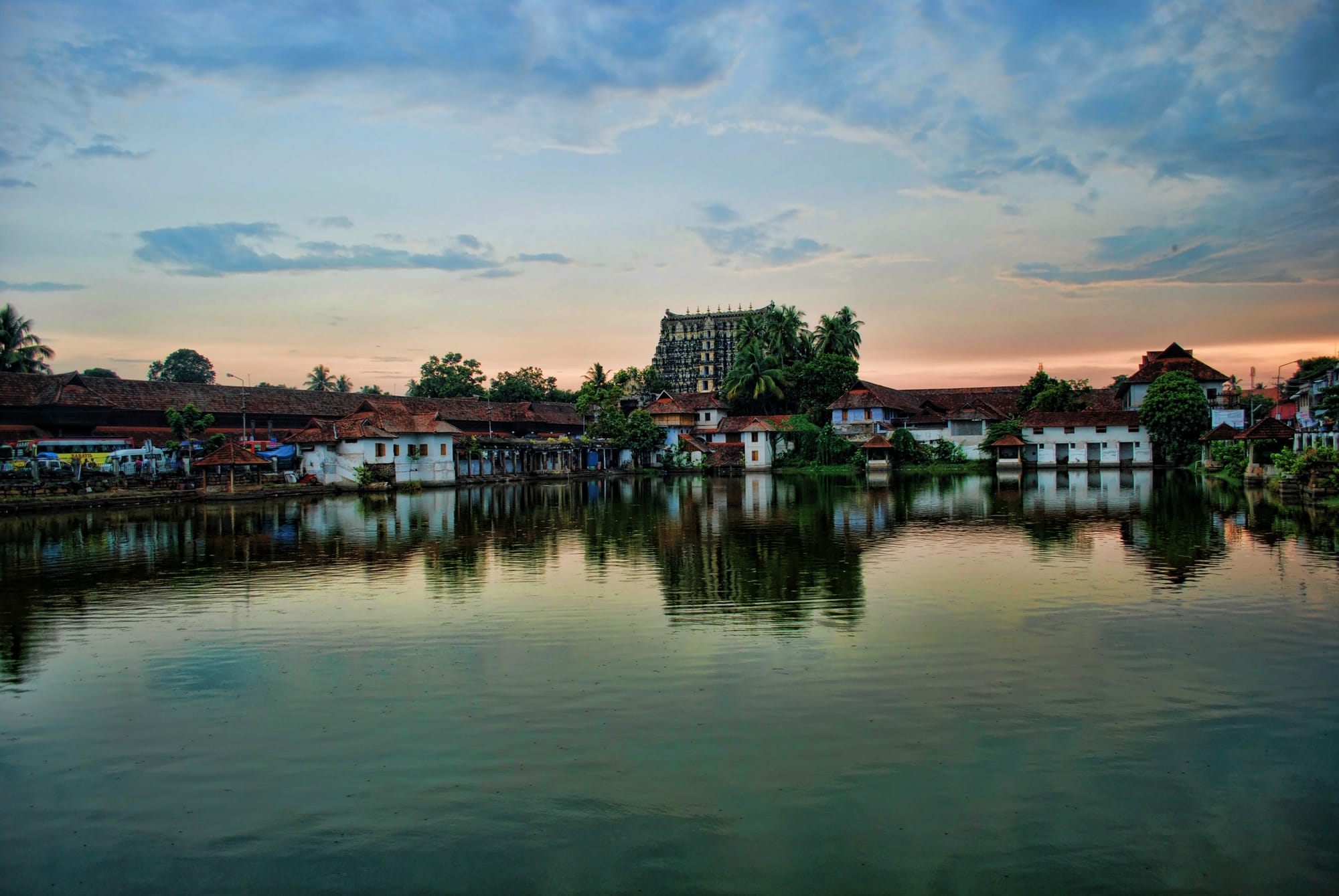
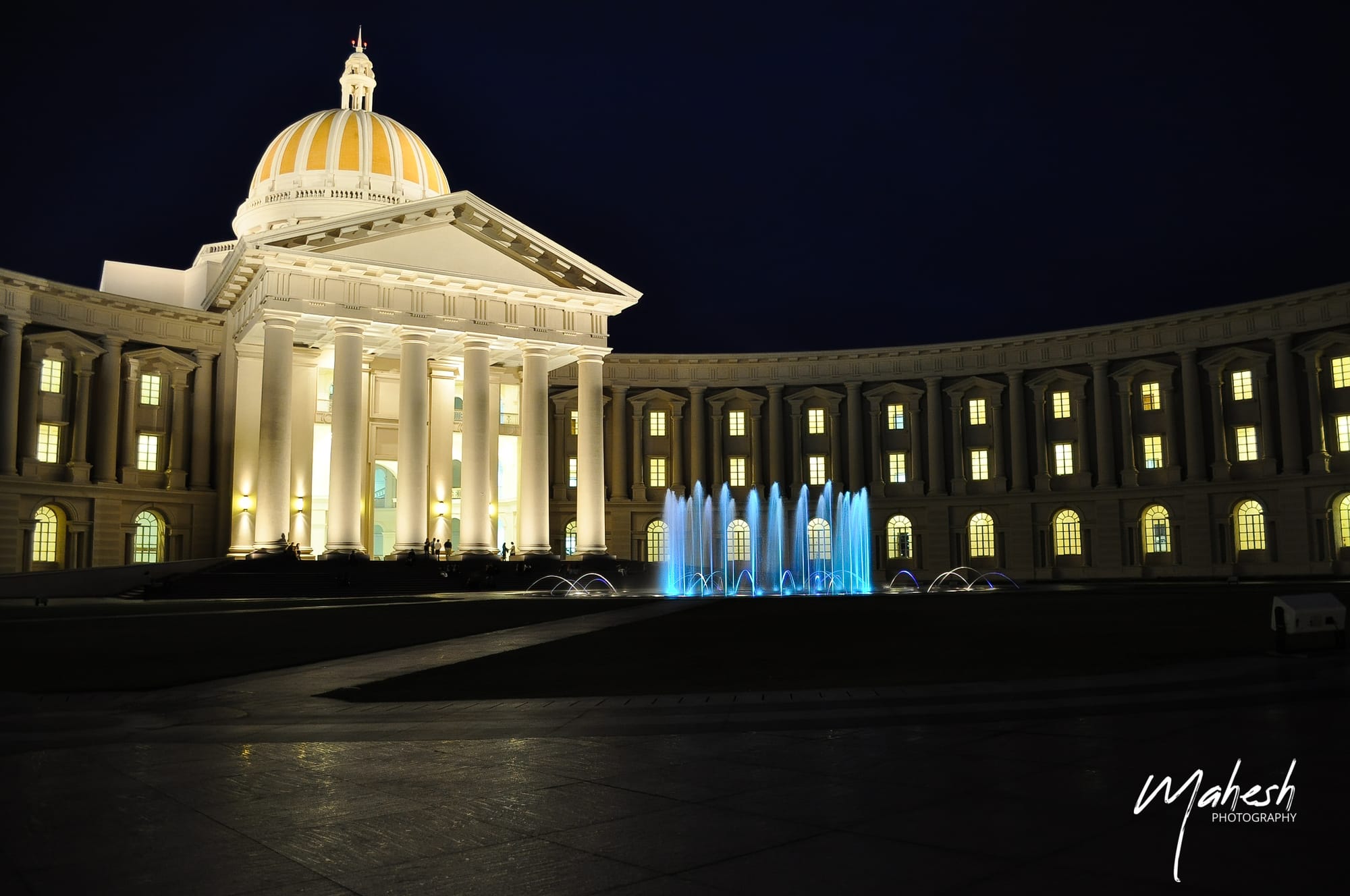
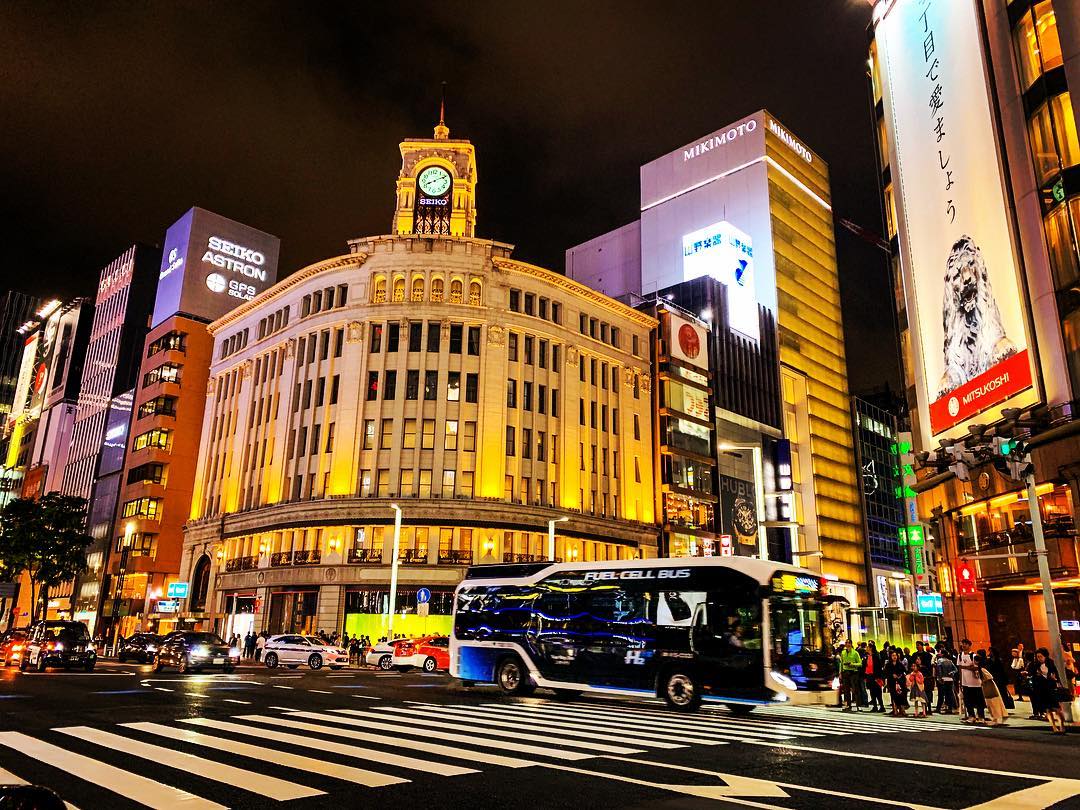
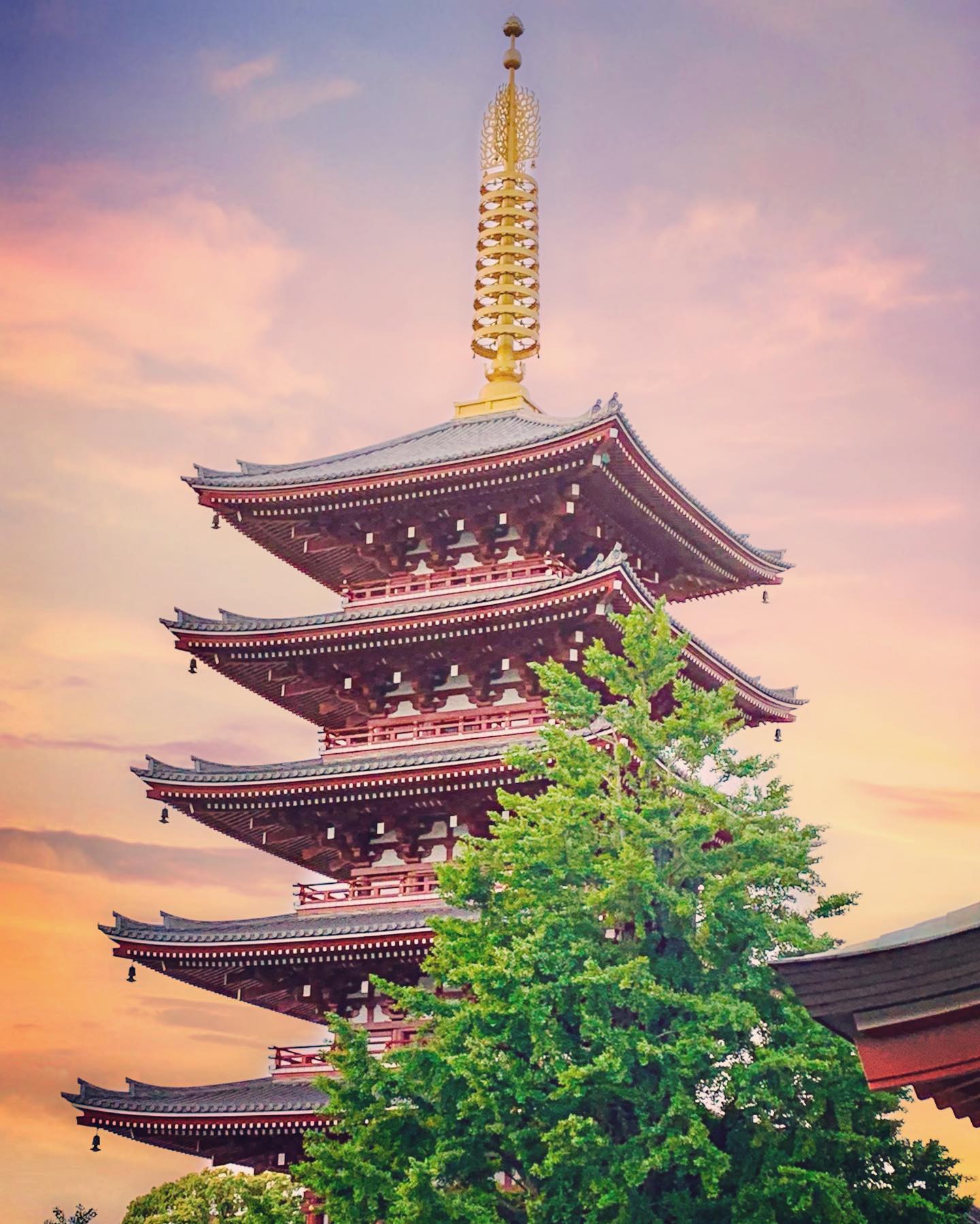
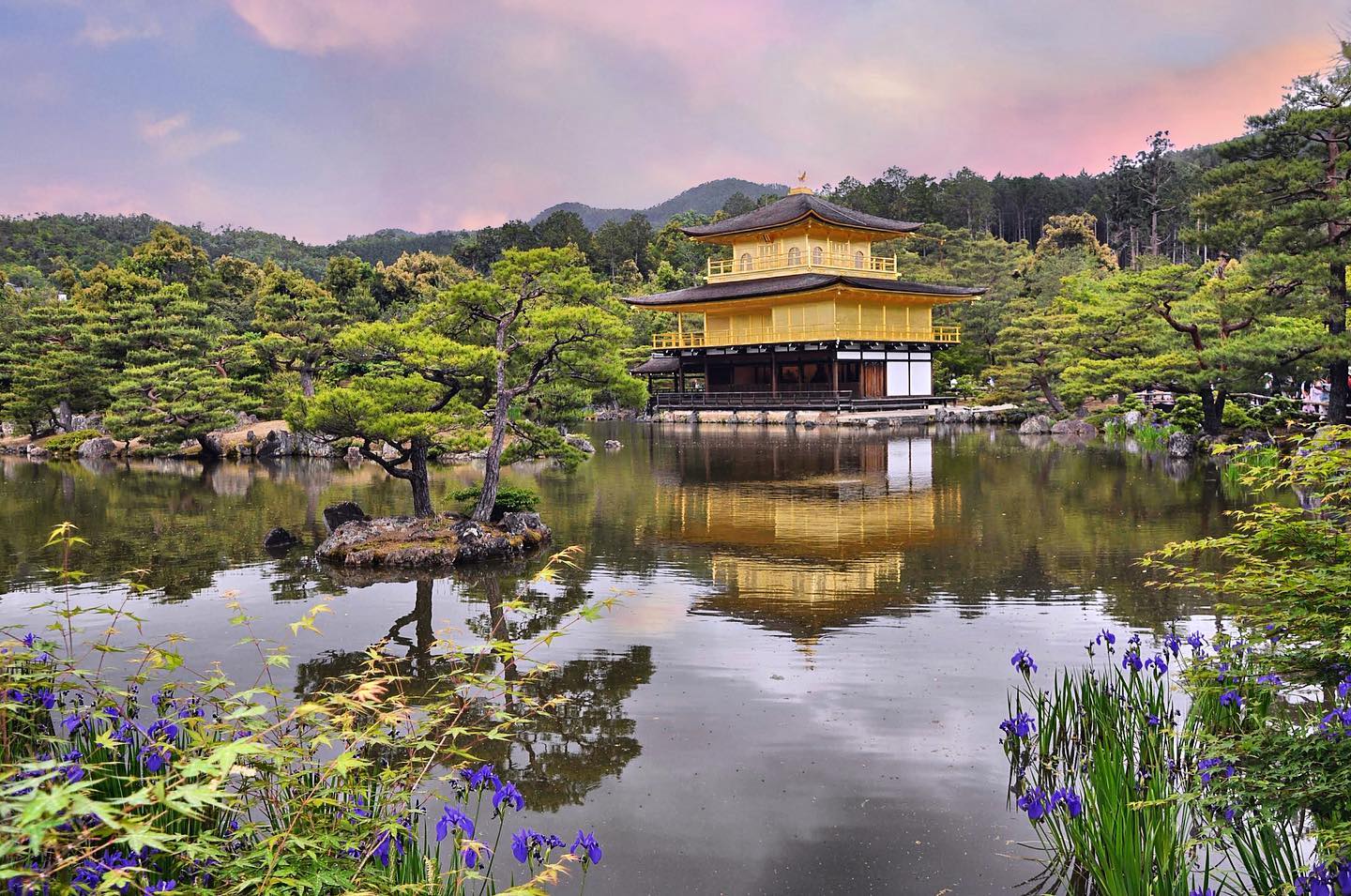
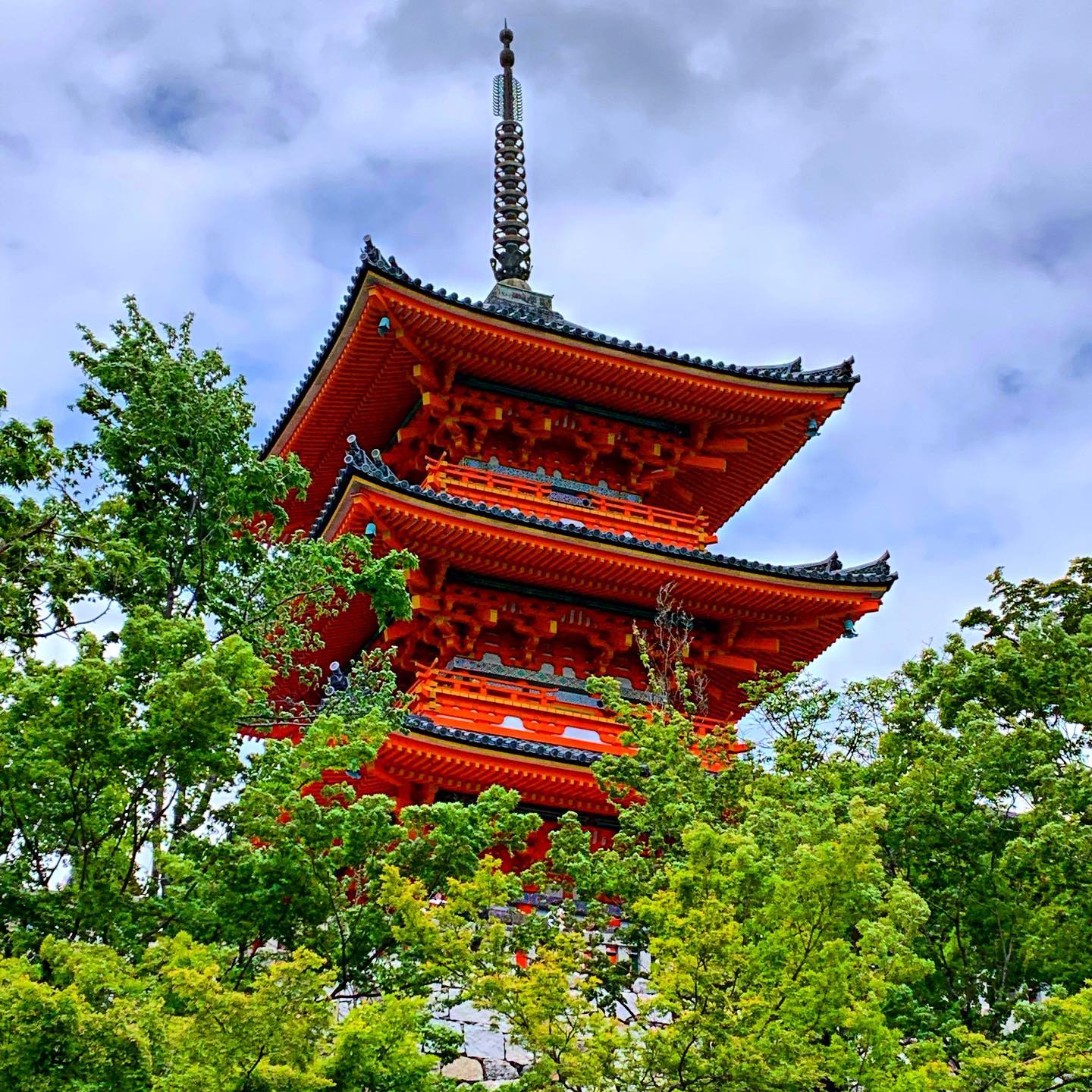
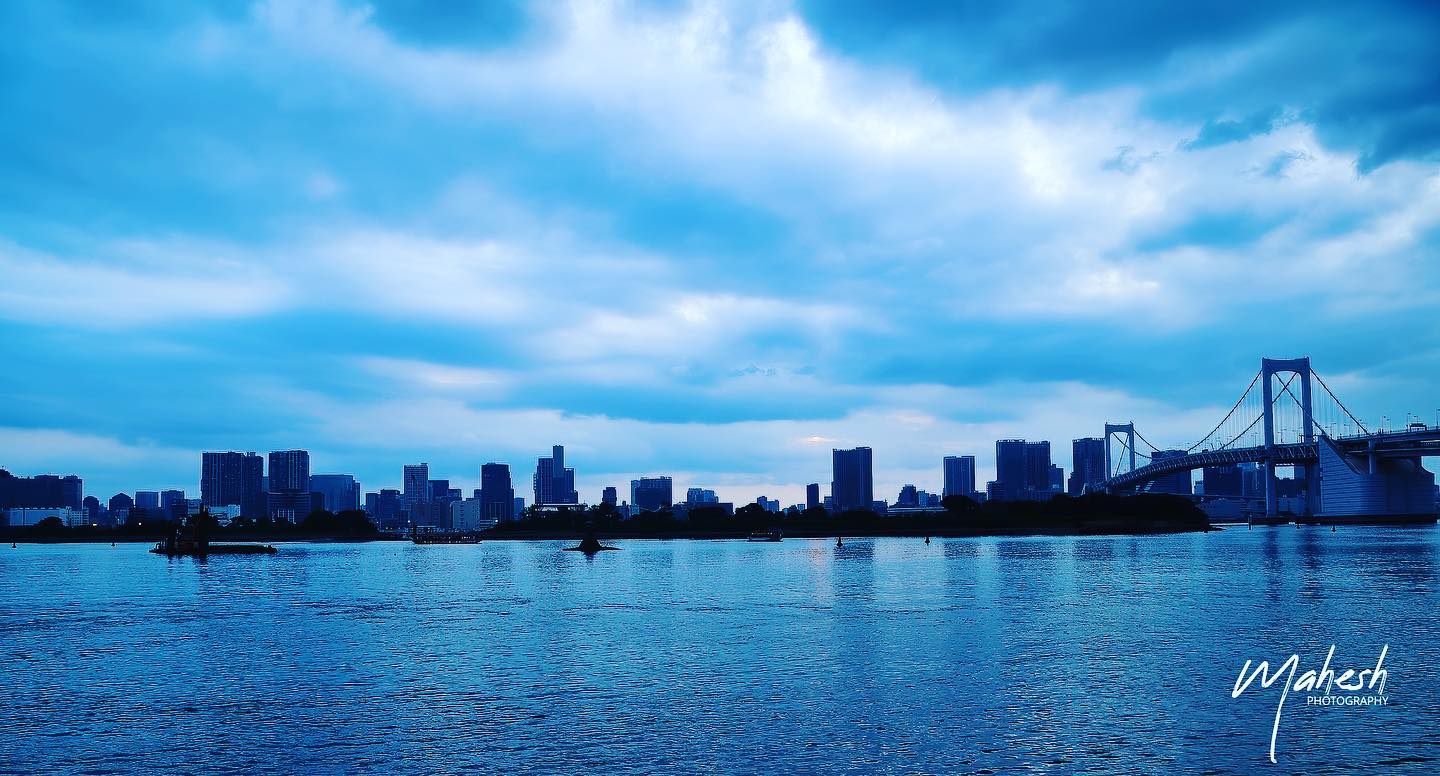

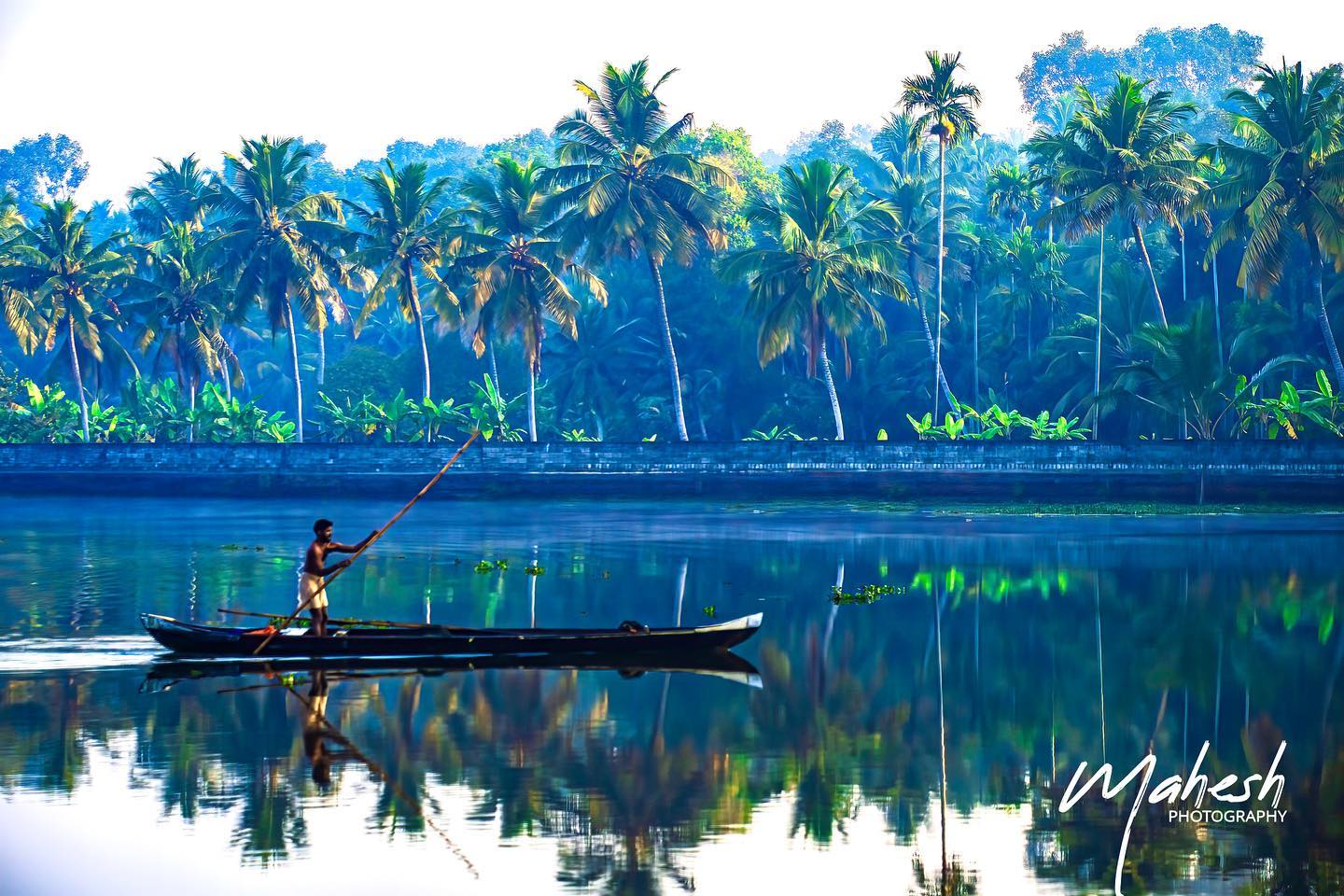
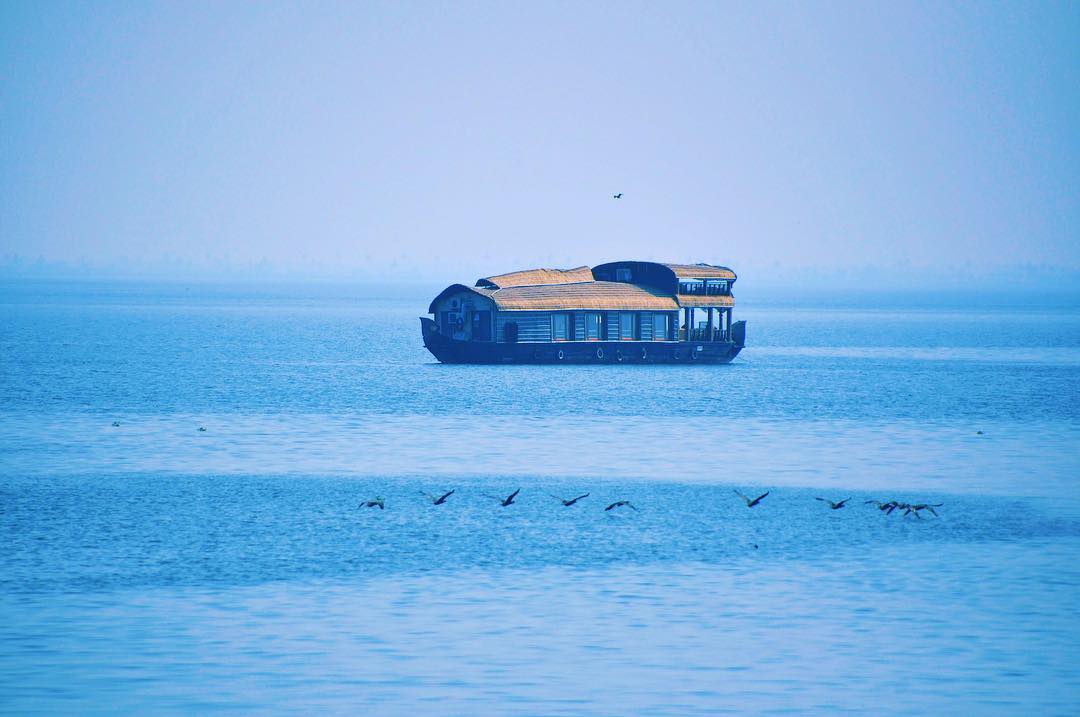
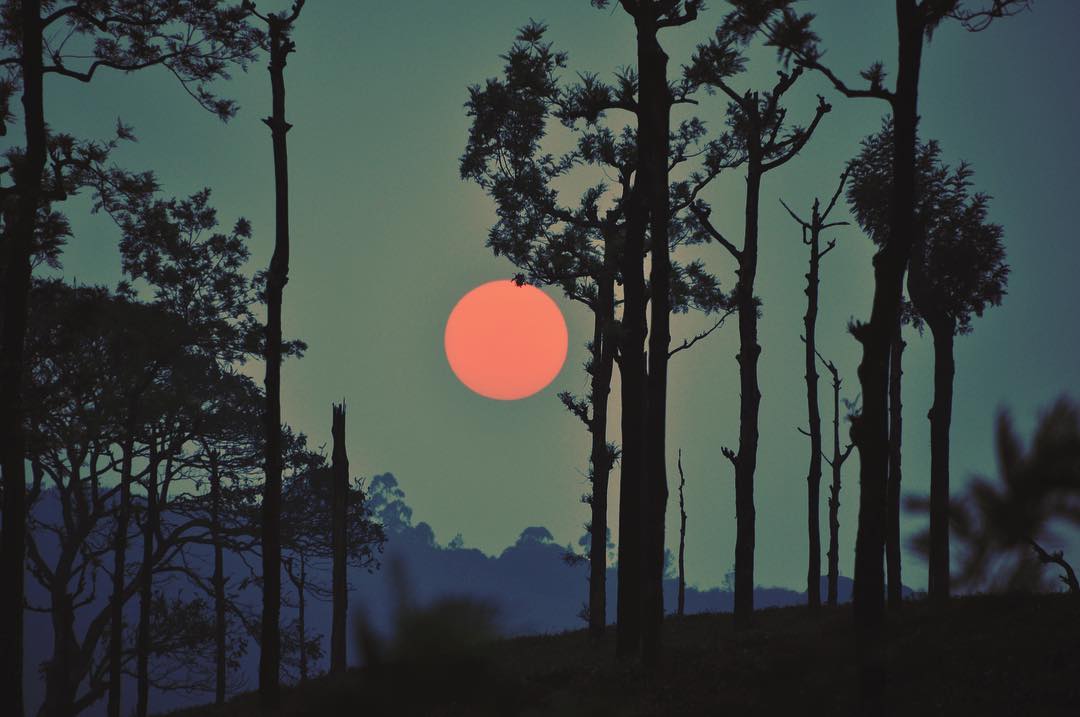
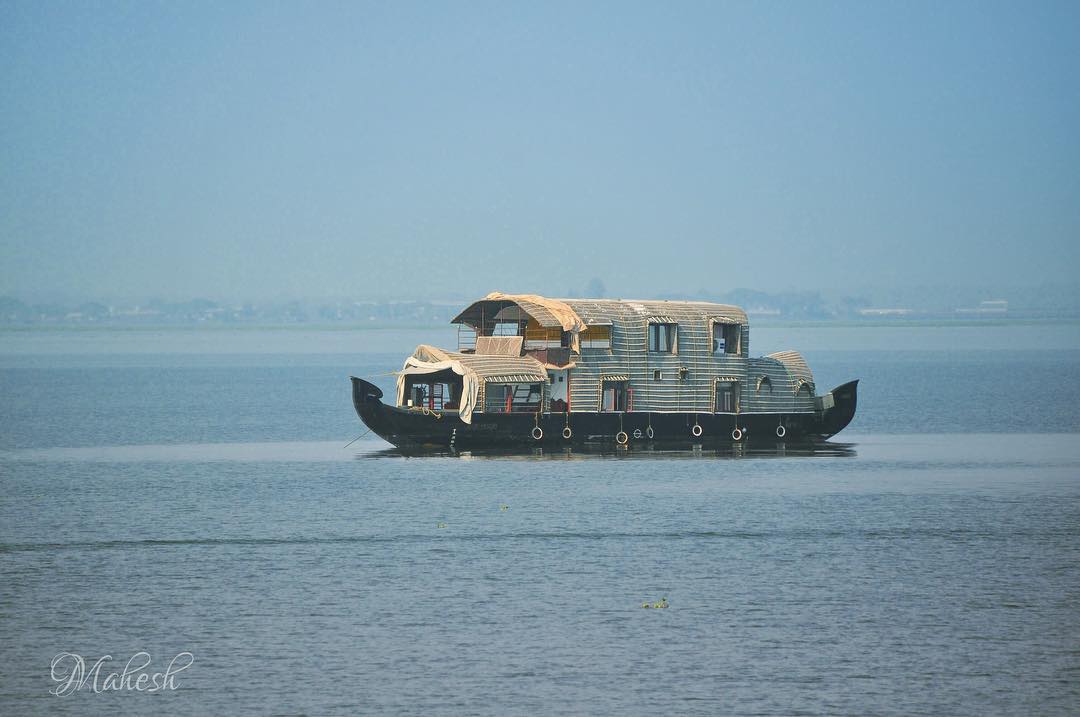
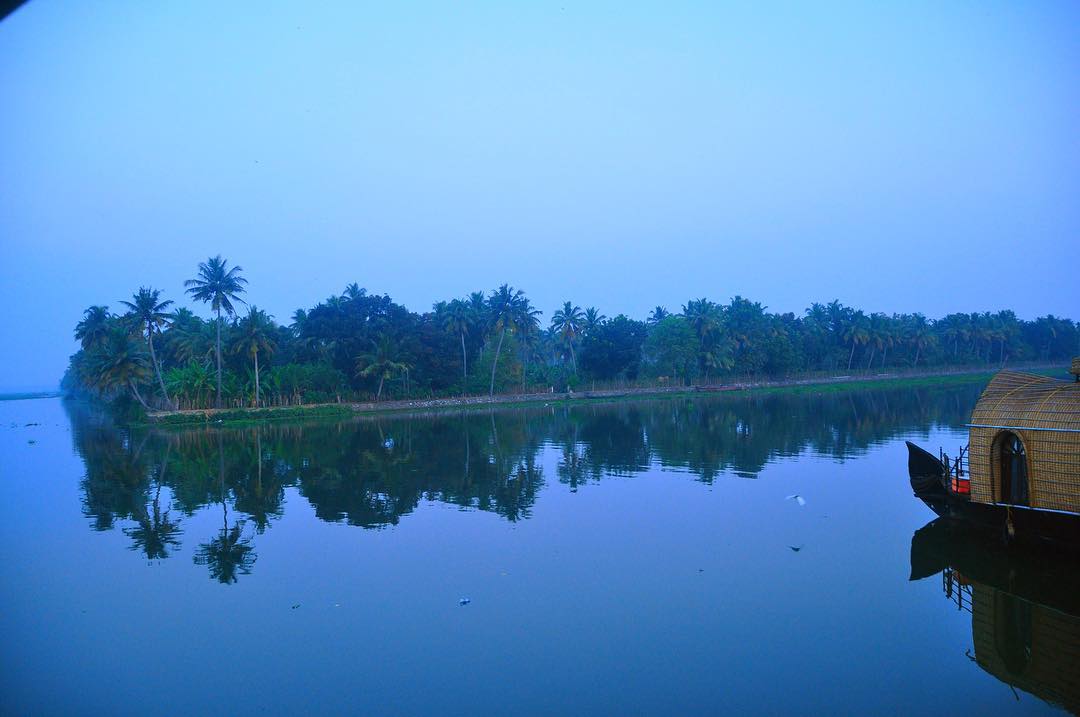
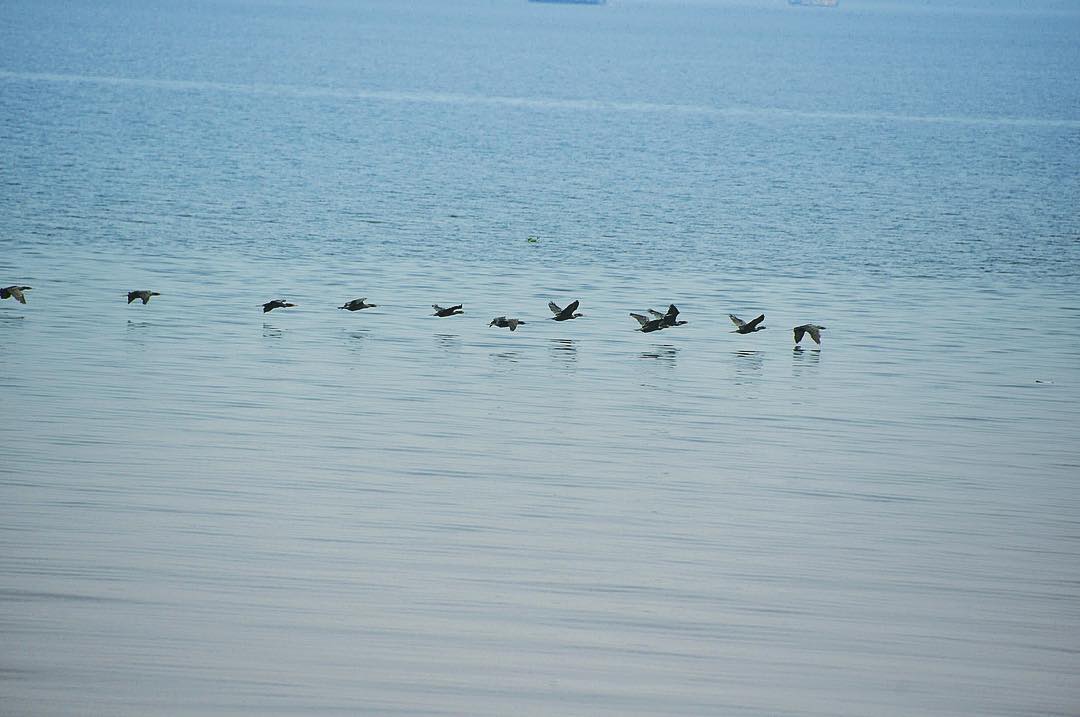
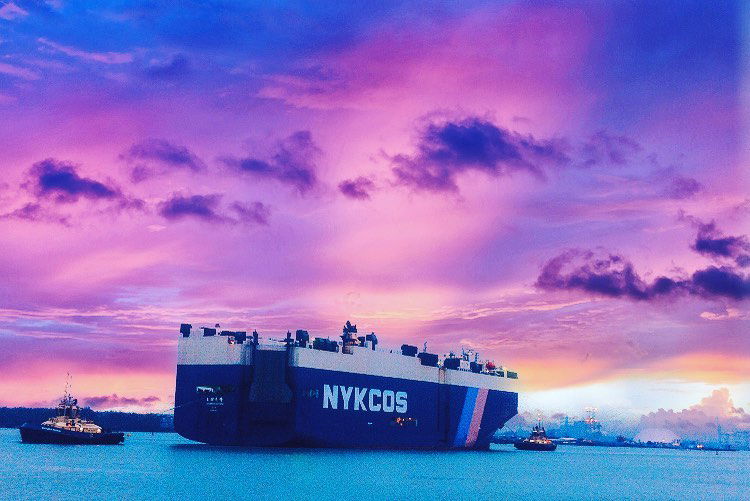
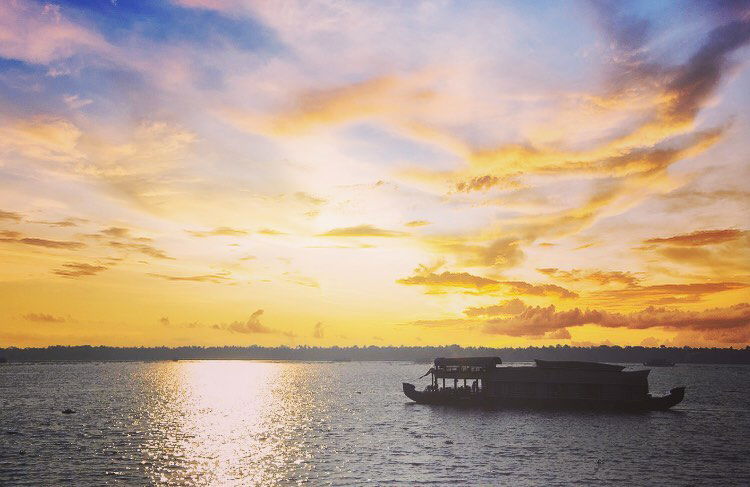
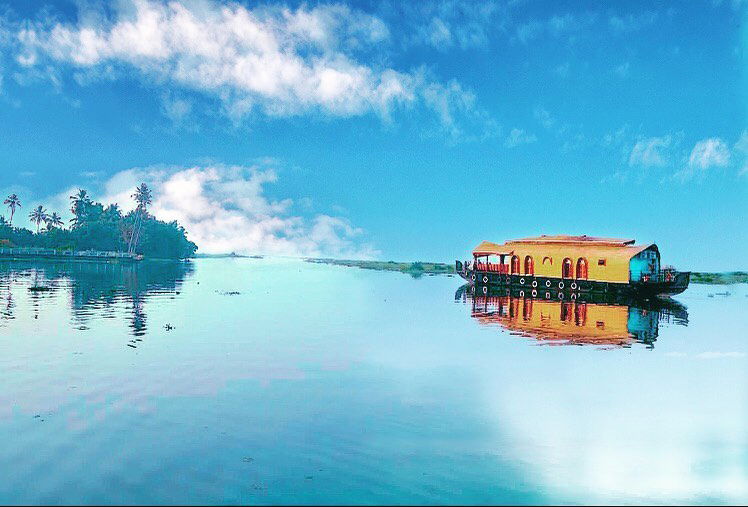
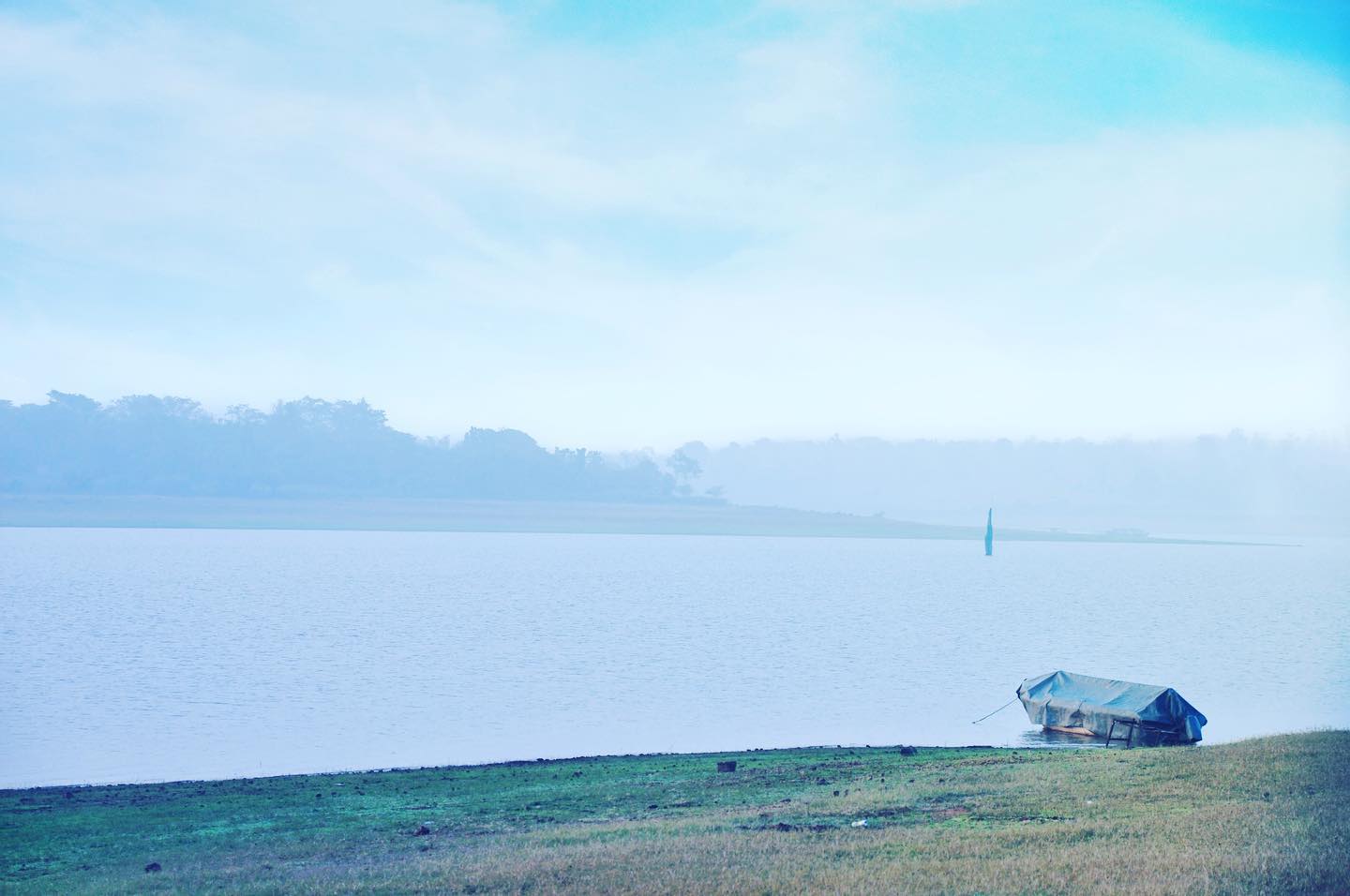


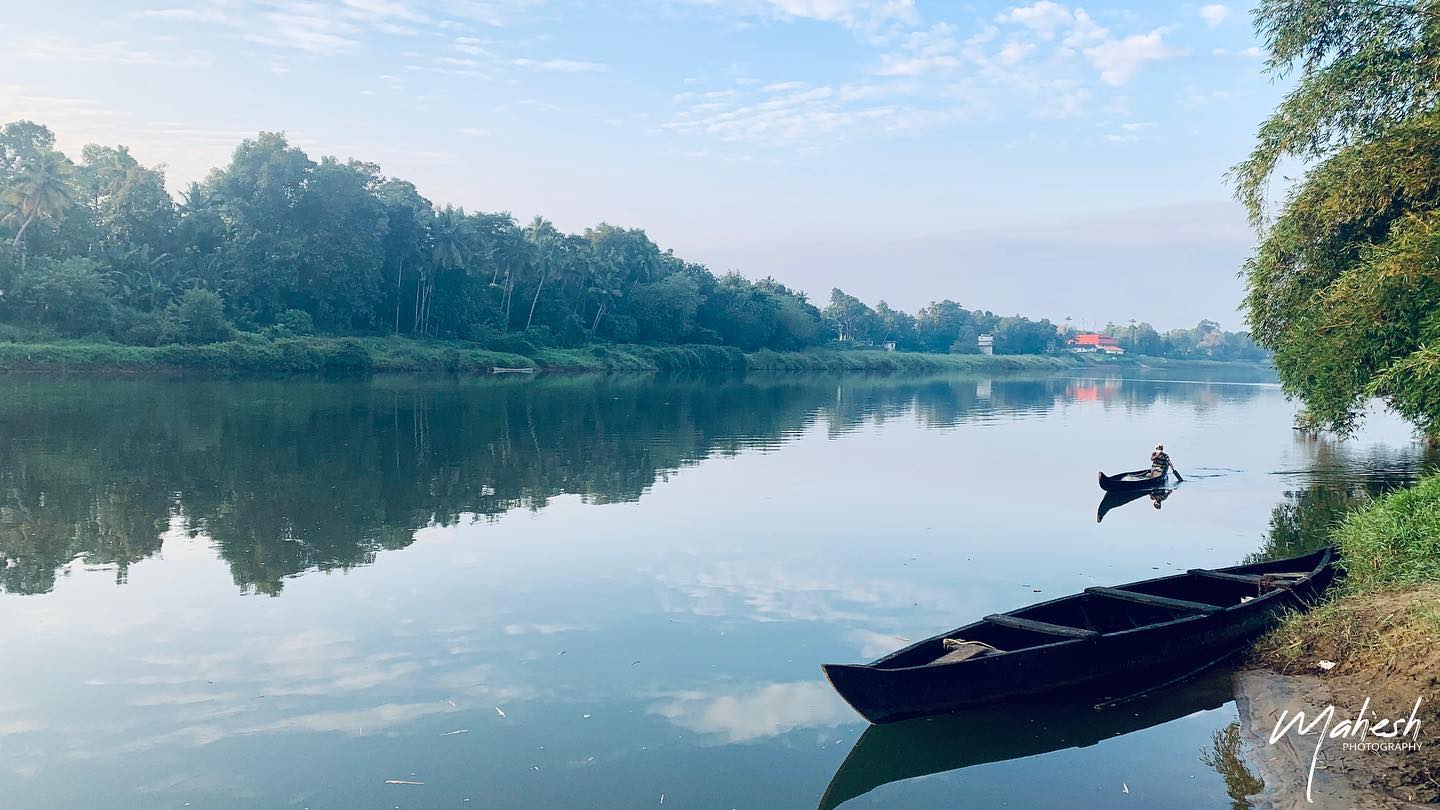
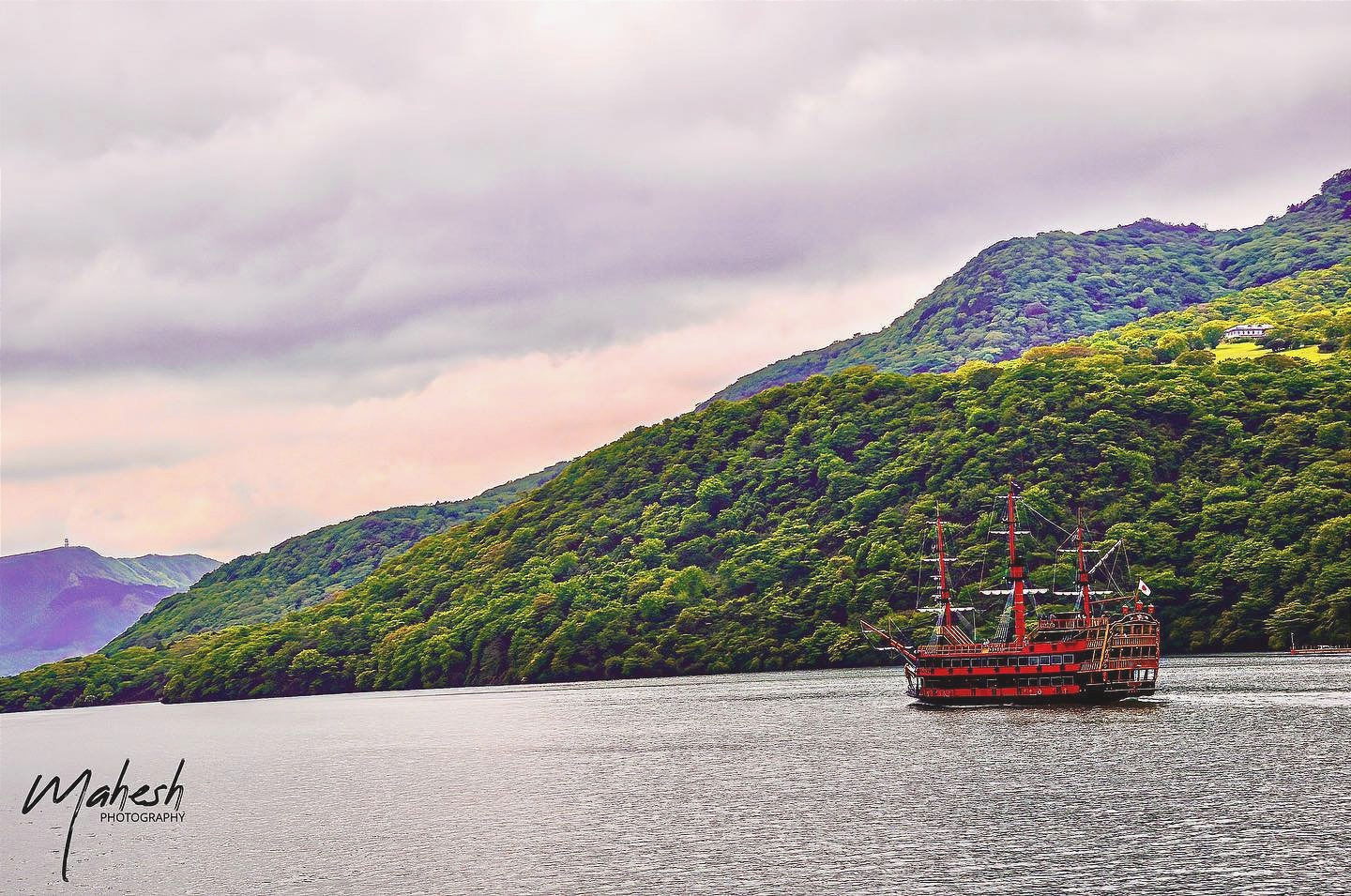
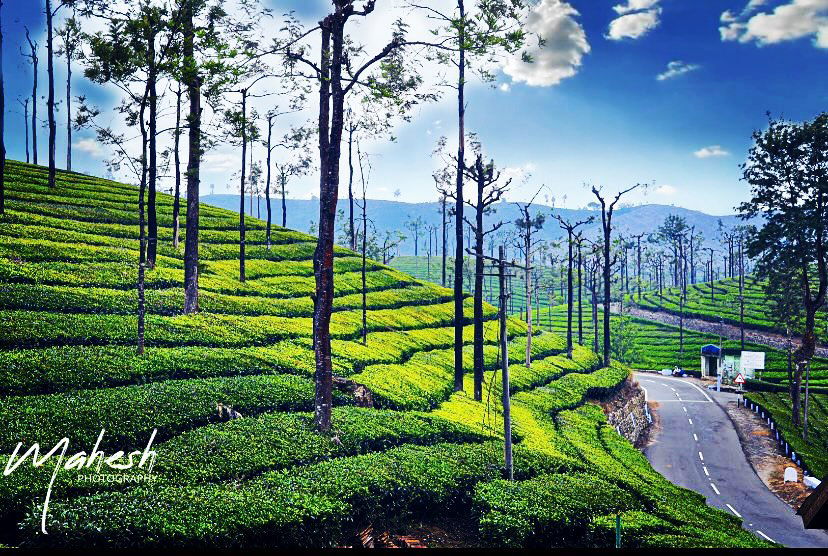
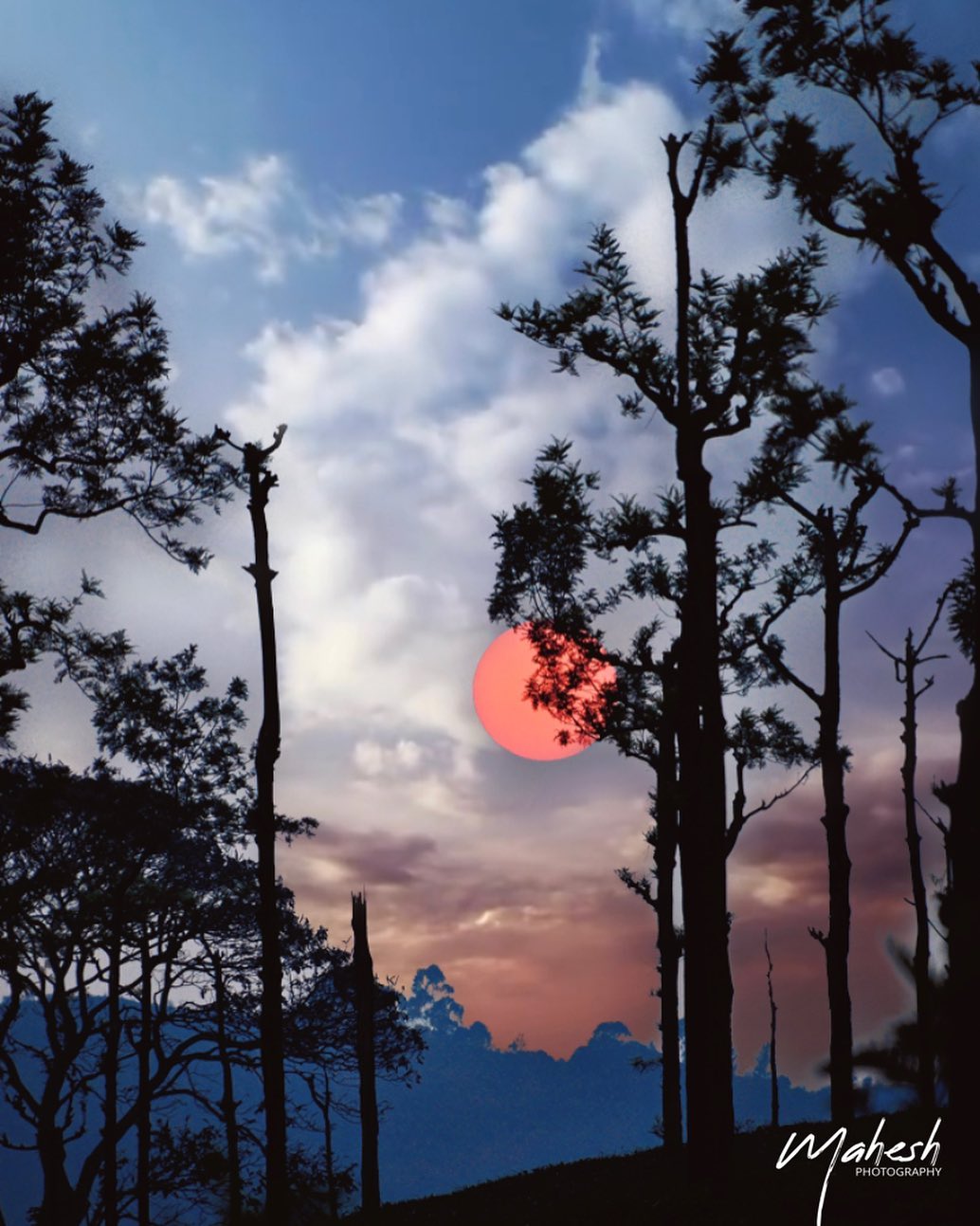
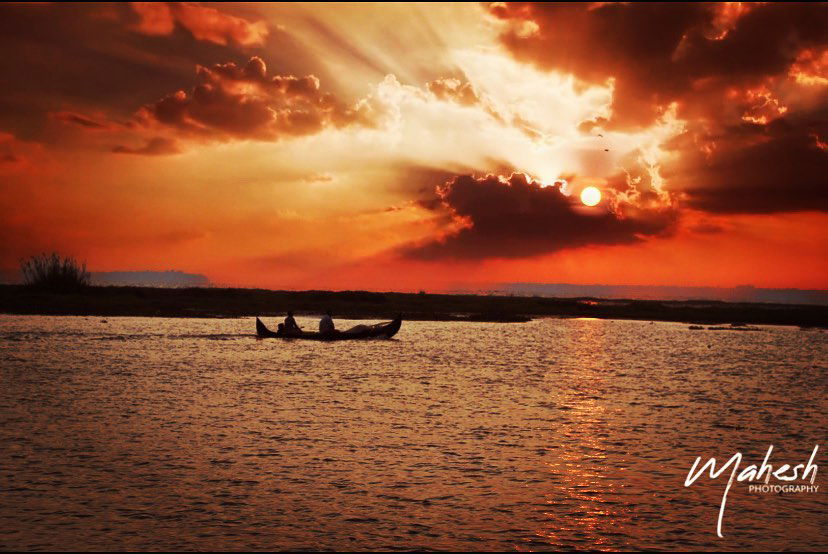
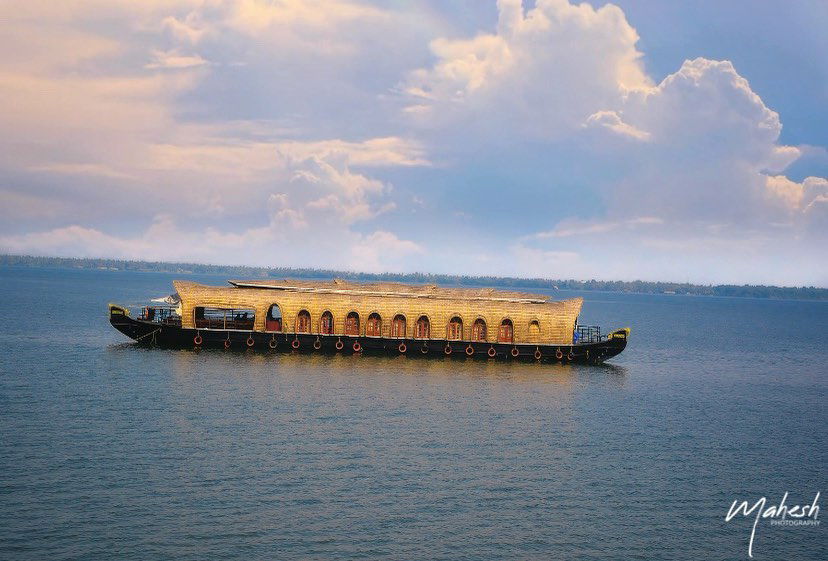
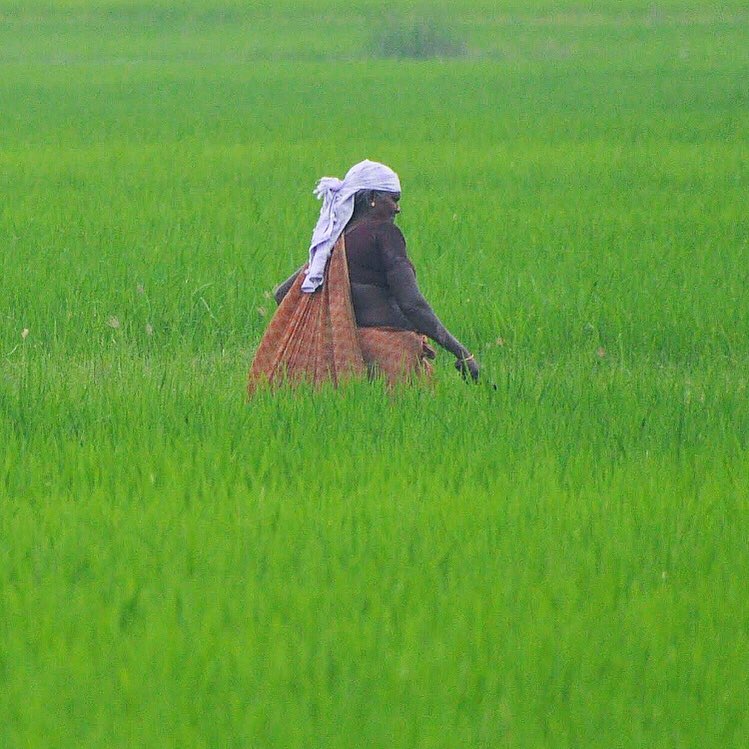

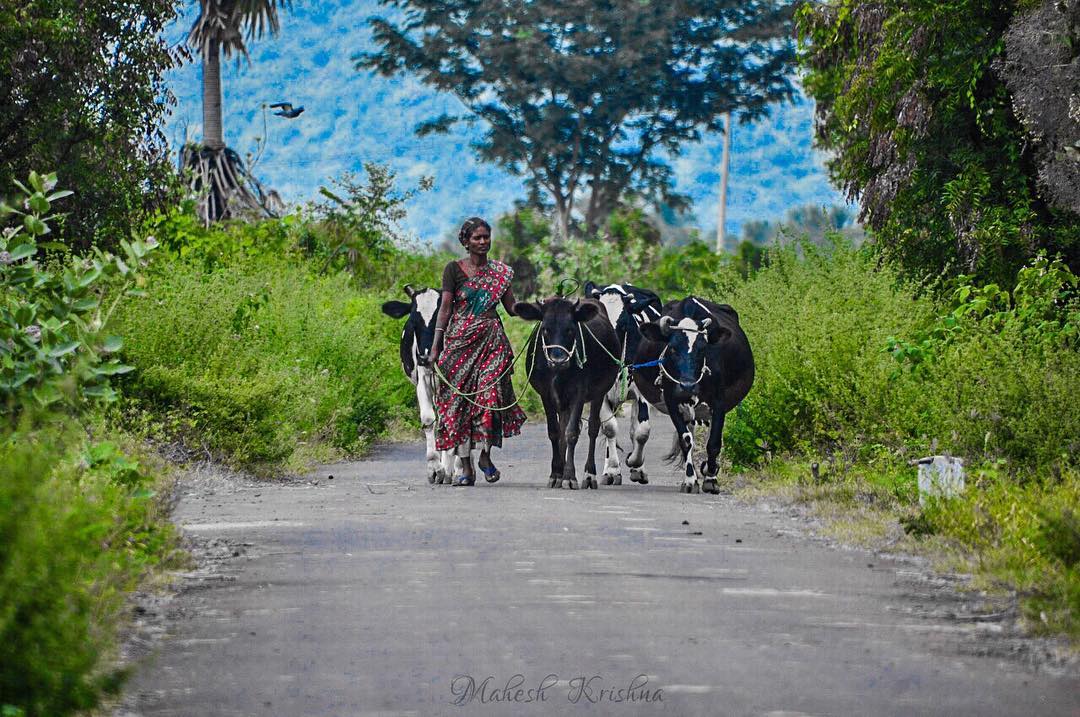
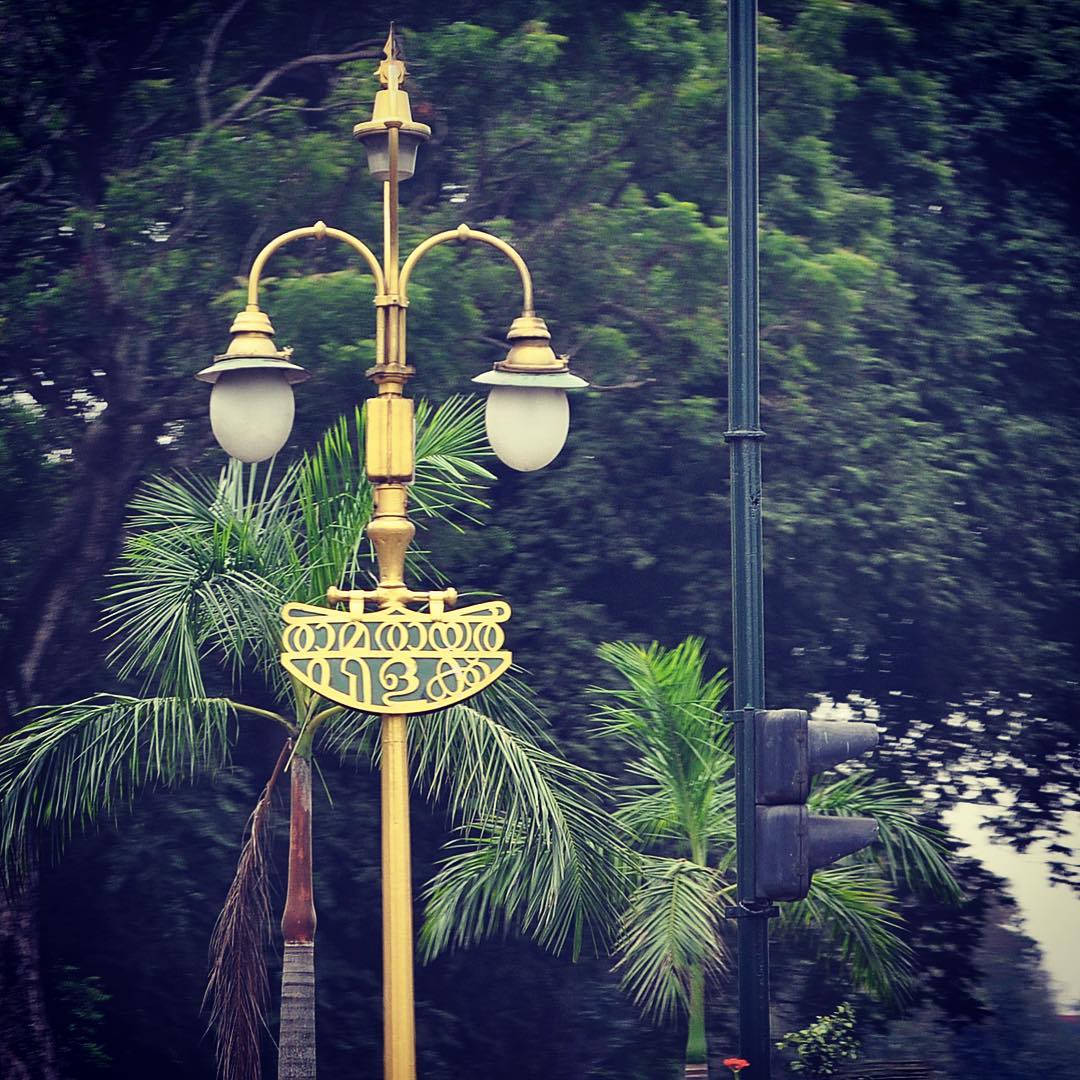
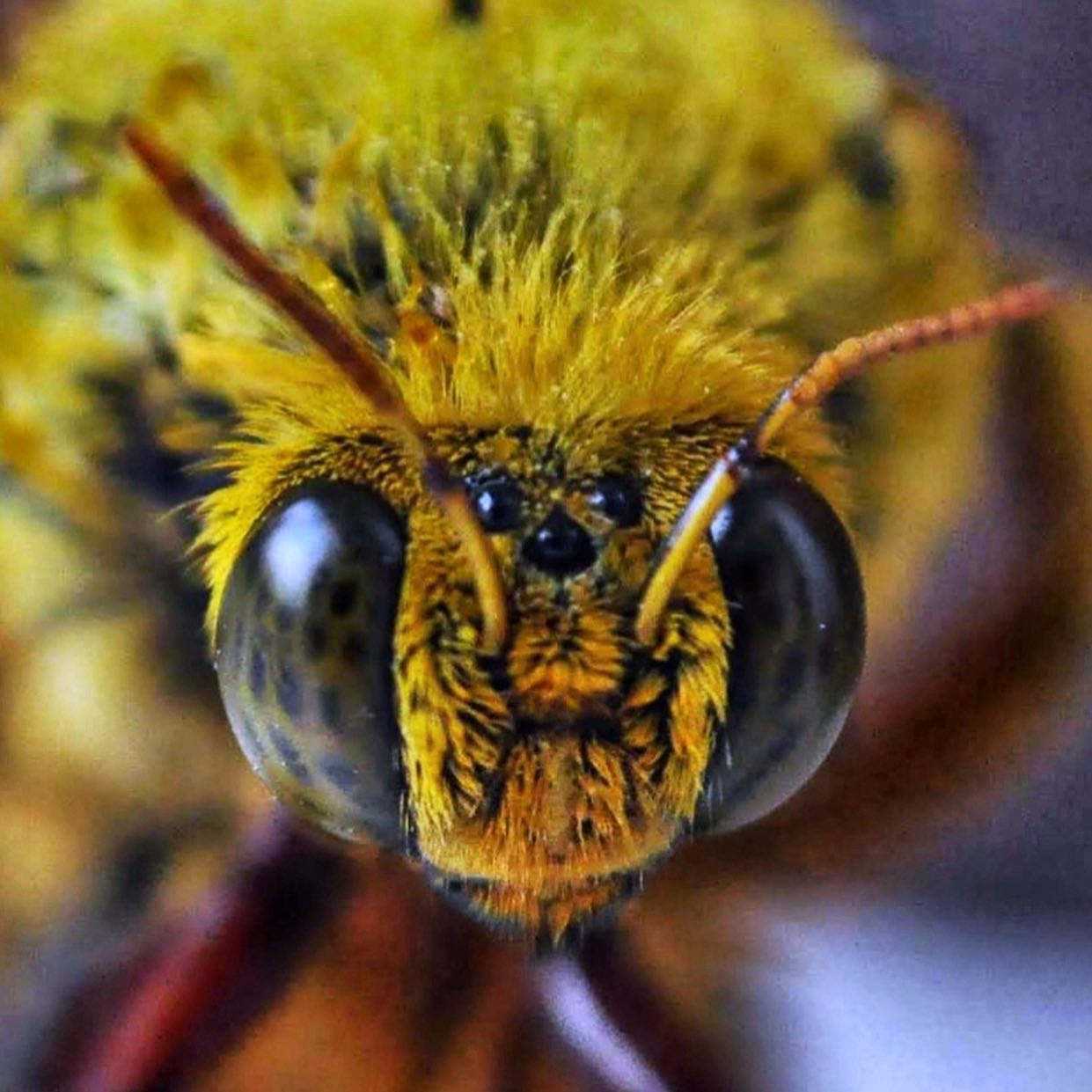
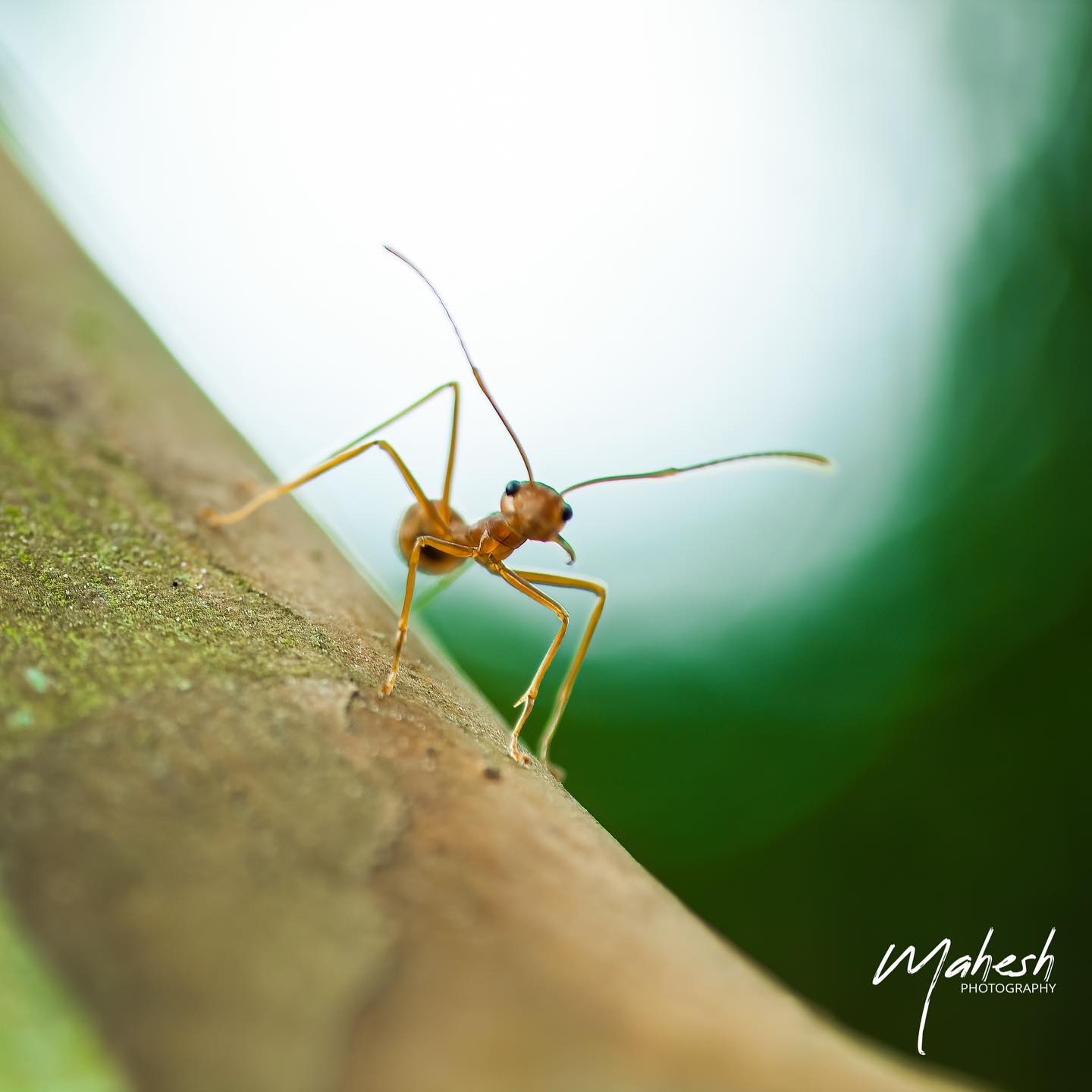
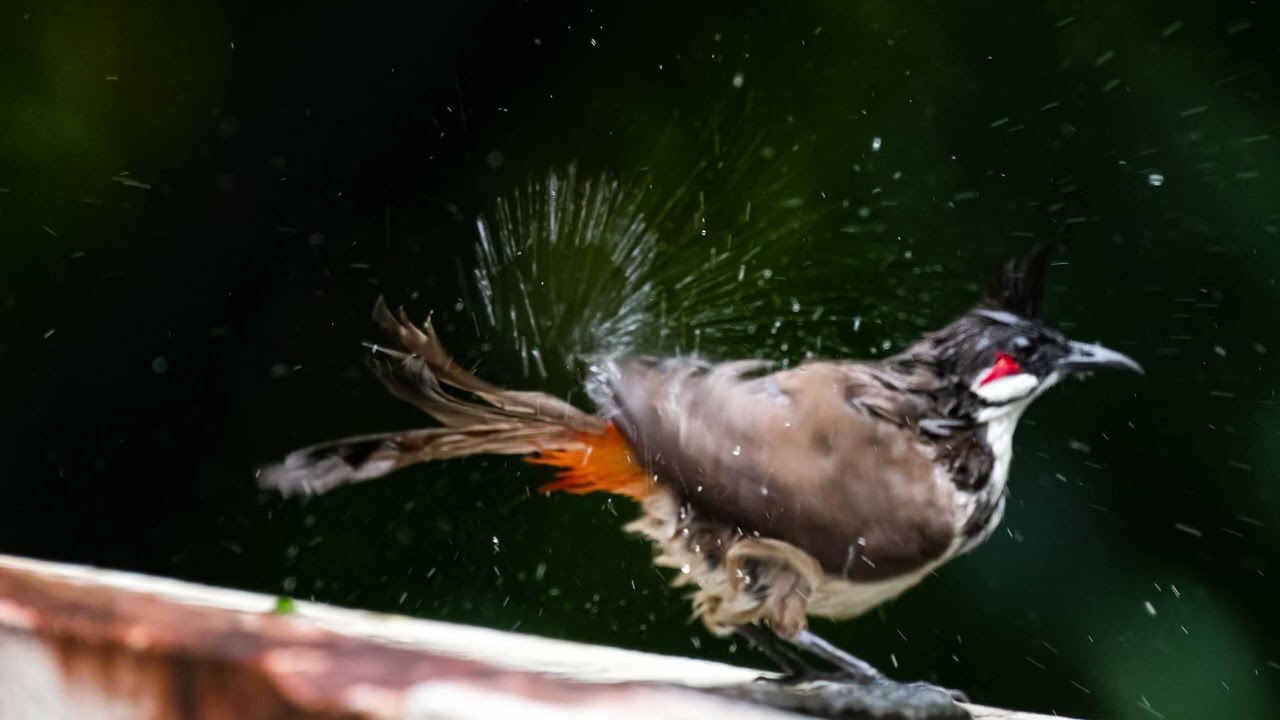
Pointers
Research & understand your subjects
Before heading out to photograph wildlife, take the time to research the behavior, habitats, and patterns of the animals you wish to capture. This knowledge will help you anticipate their movements, increase your chances of getting closer, and capture more compelling shots.

Use a telephoto lens
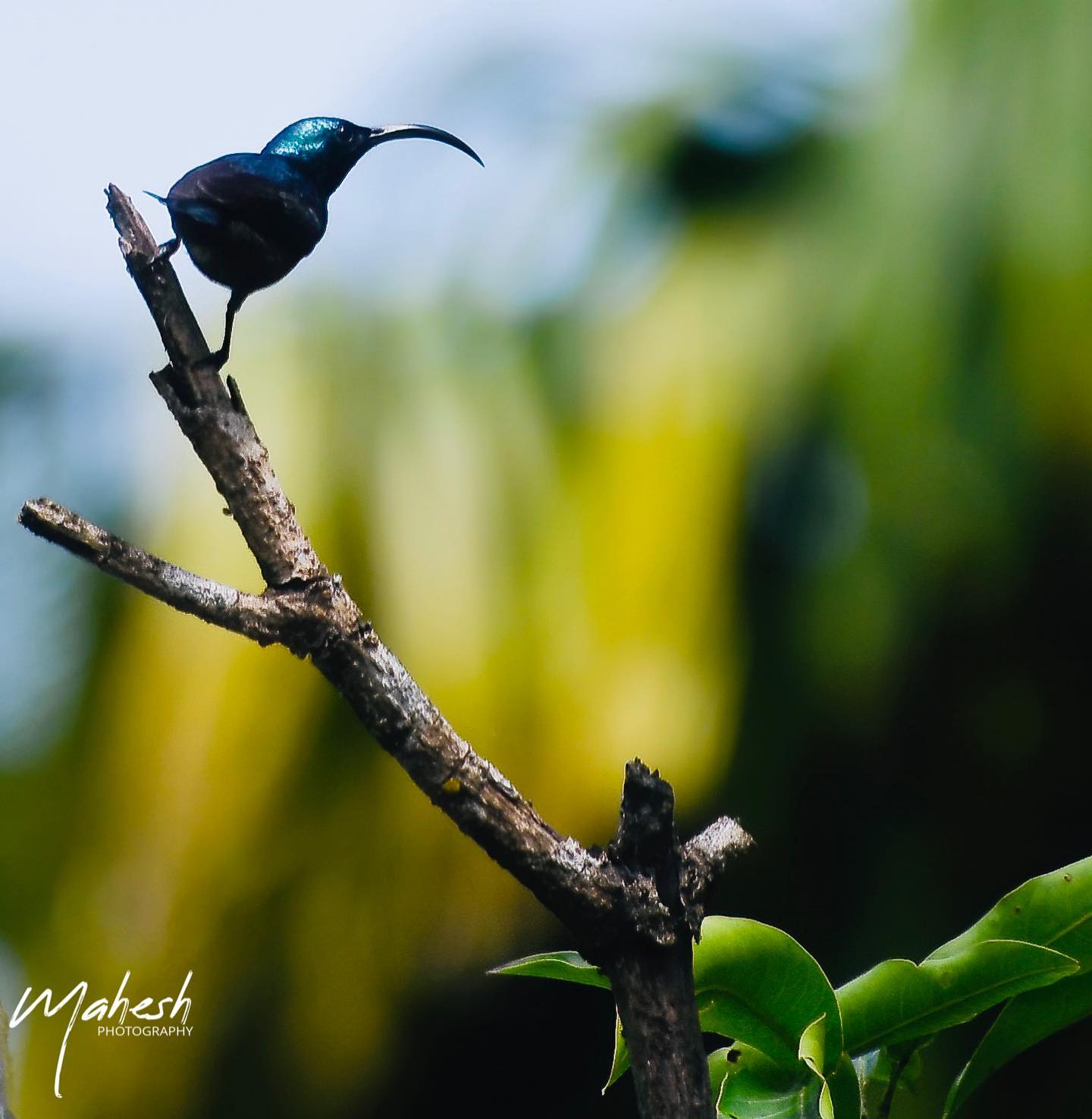
Wildlife photography often requires capturing subjects from a distance to avoid disturbing or endangering them. Invest in a telephoto lens with a long focal length to bring the animals closer, fill the frame, and capture intricate details. A focal length of 200mm or higher is recommended for wildlife photography.
Patience is key
Wildlife photography requires patience and perseverance. Animals may not always appear on cue, and capturing that perfect shot can take time. Be prepared to spend hours waiting, observing, and staying quiet to increase your chances of witnessing unique behaviors and capturing stunning moments.
Be respectful & ethical
Wildlife photography should always prioritize the well-being and safety of the animals. Respect their space and never disturb or harass them to get a shot. Familiarize yourself with local regulations and guidelines regarding wildlife photography in specific areas. Remember, your presence should have minimal impact on their natural behavior and environment.
Focus on the eyes
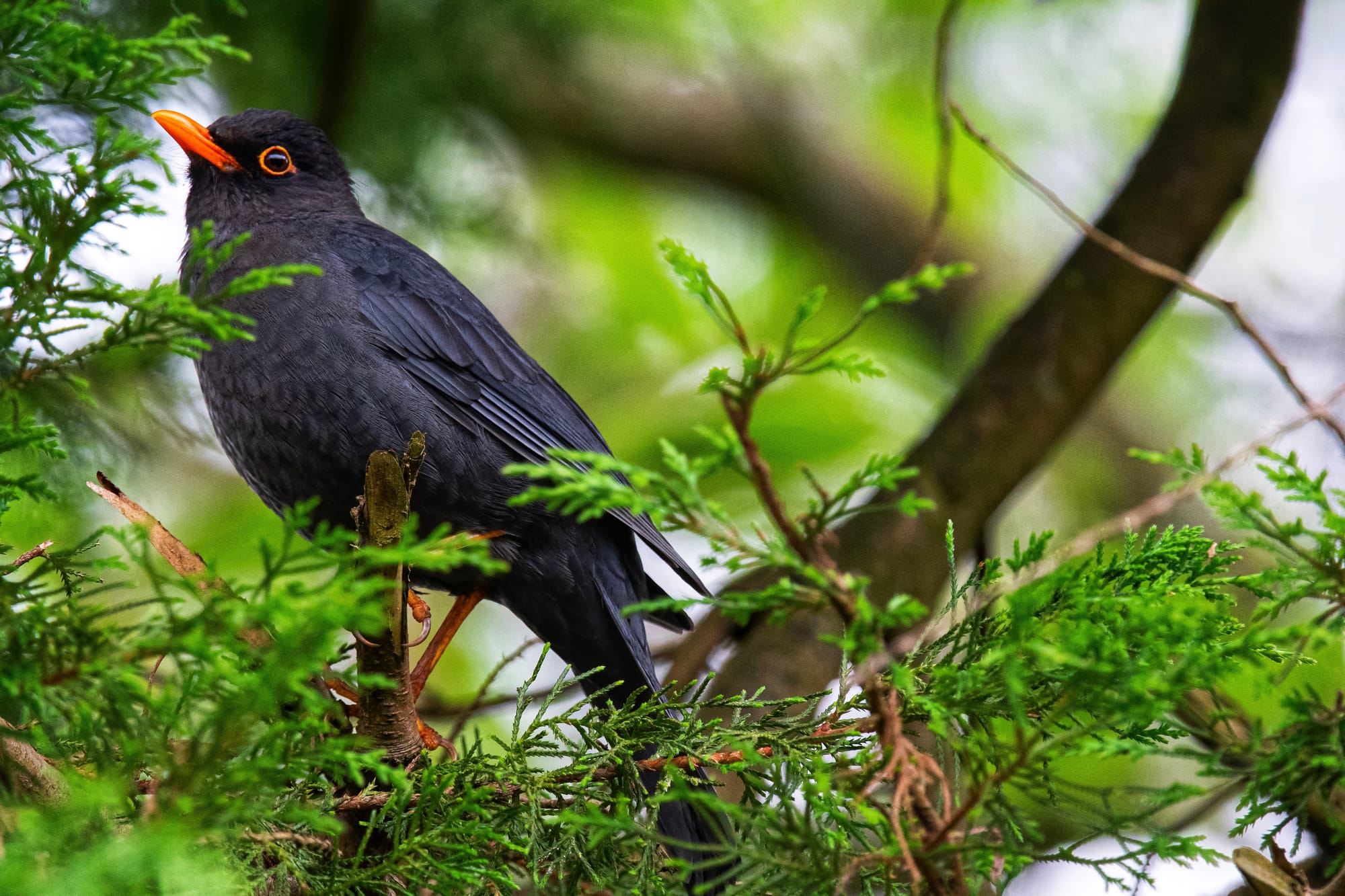
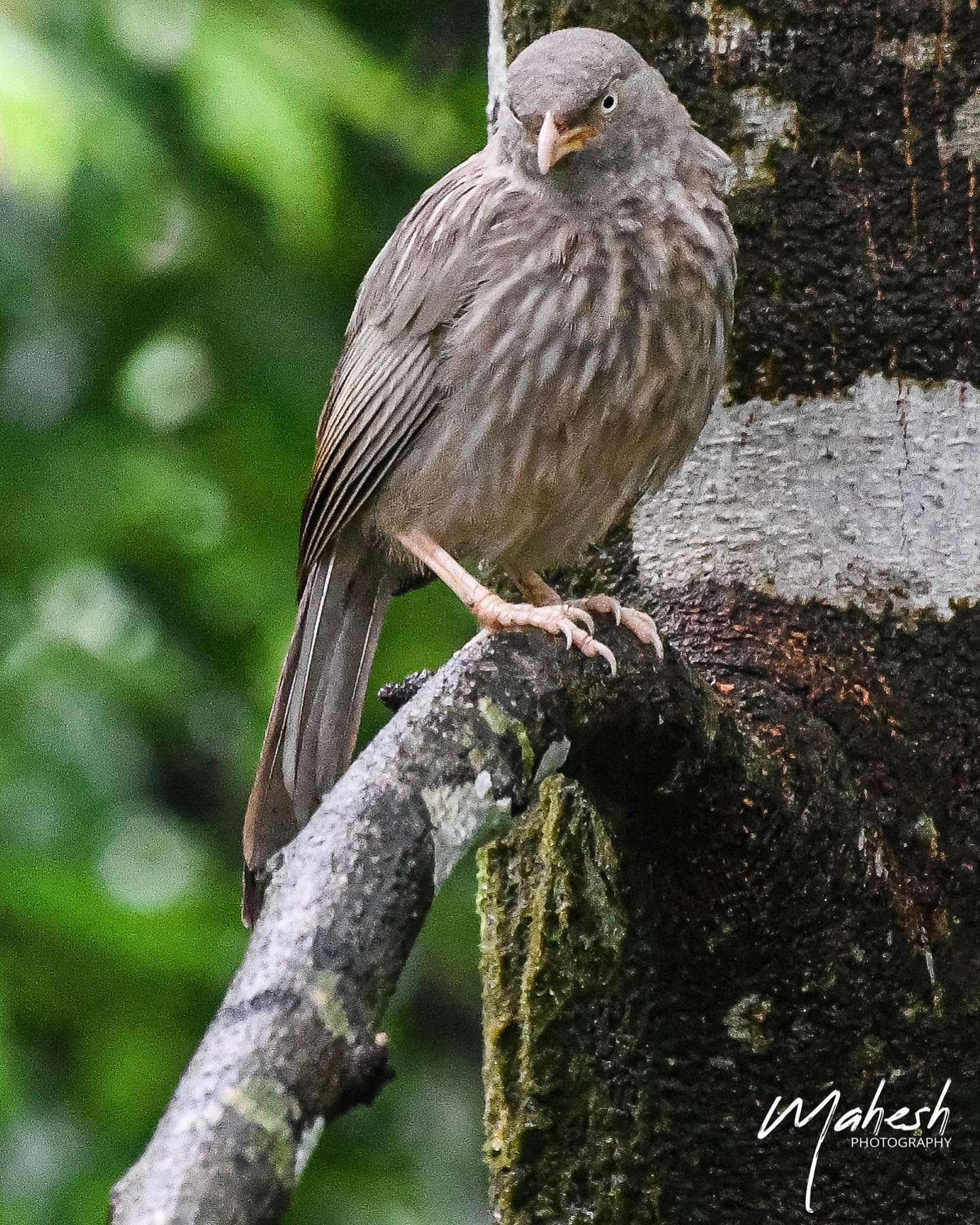
The eyes of the animals are often the most captivating and expressive part of the image. Ensure that the eyes are sharp and in focus to create a strong connection with the viewer. Use a wide aperture* to blur the background and make the eyes stand out even more. [*your lens is more open, letting more light reach the sensor i.e, It might seem backwards, but a low f-stop actually means a wider aperture. For example, f/2 is a wide aperture, while f/13 is a narrow aperture.] :)
Consider the light
Whenever possible, shoot during the golden hours—early morning or late afternoon—when the light is soft, warm, and creates beautiful contrasts. Avoid harsh midday sunlight that can create strong shadows and wash out details. If shooting in challenging lighting conditions, learn to use techniques like fill flash or exposure compensation to achieve a balanced exposure.
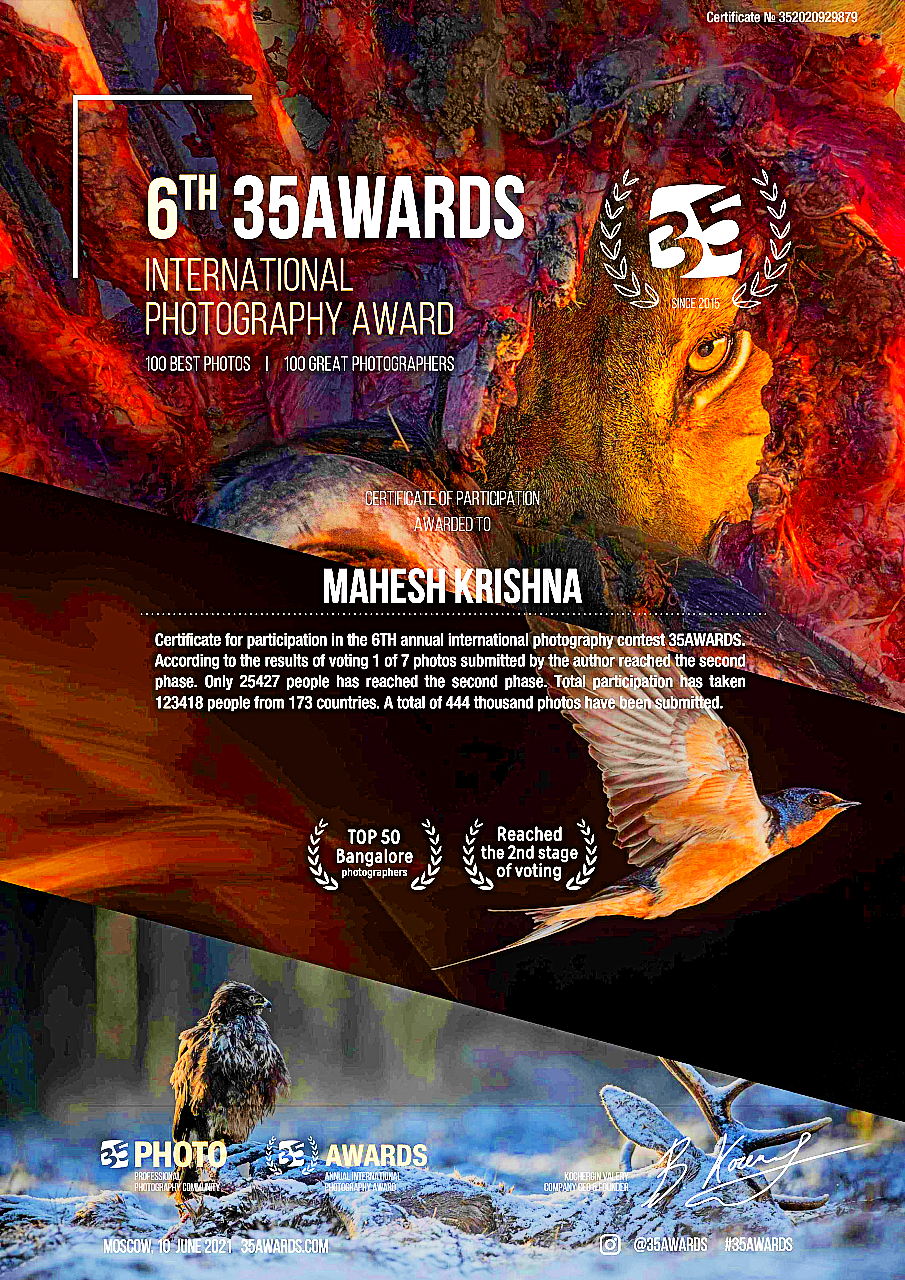
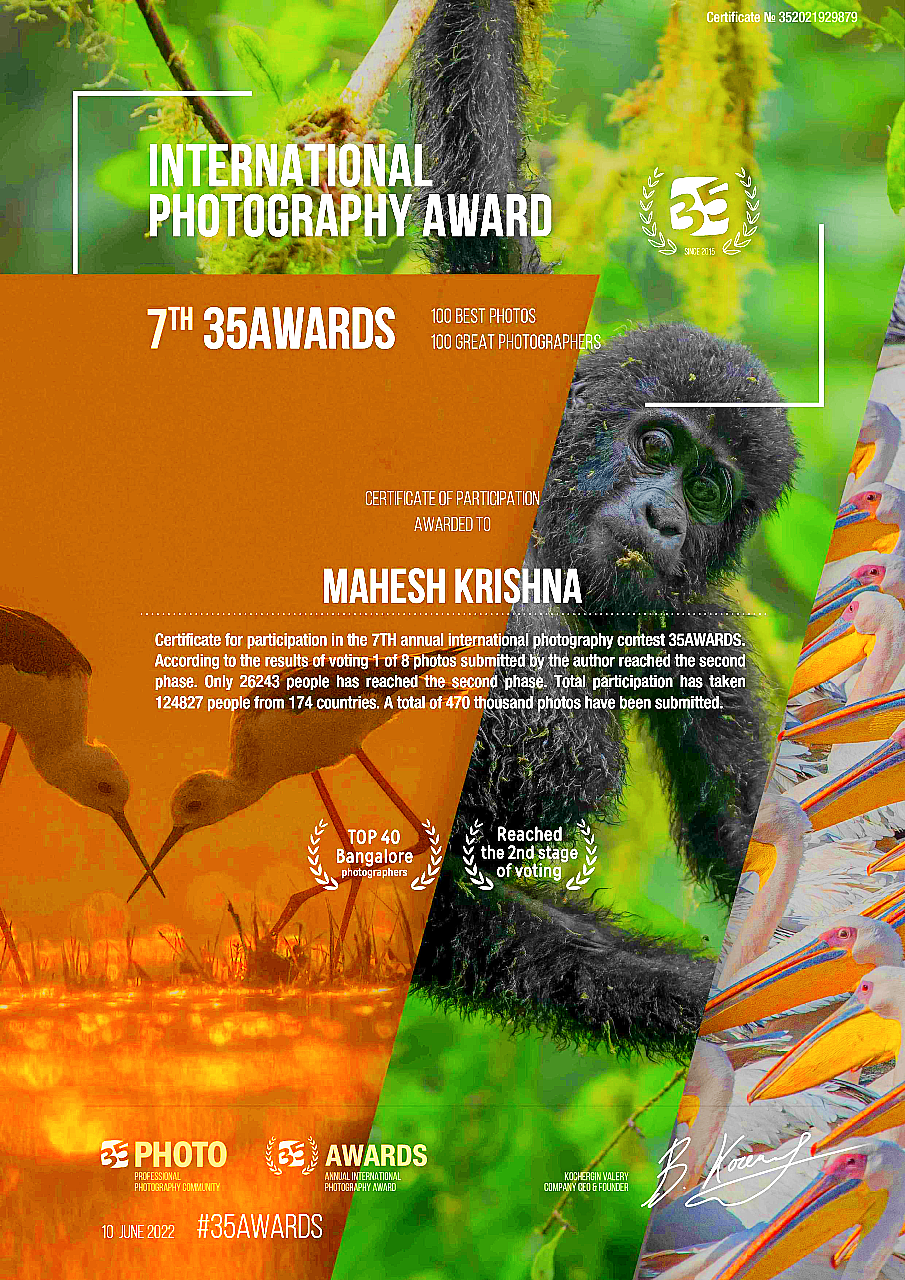
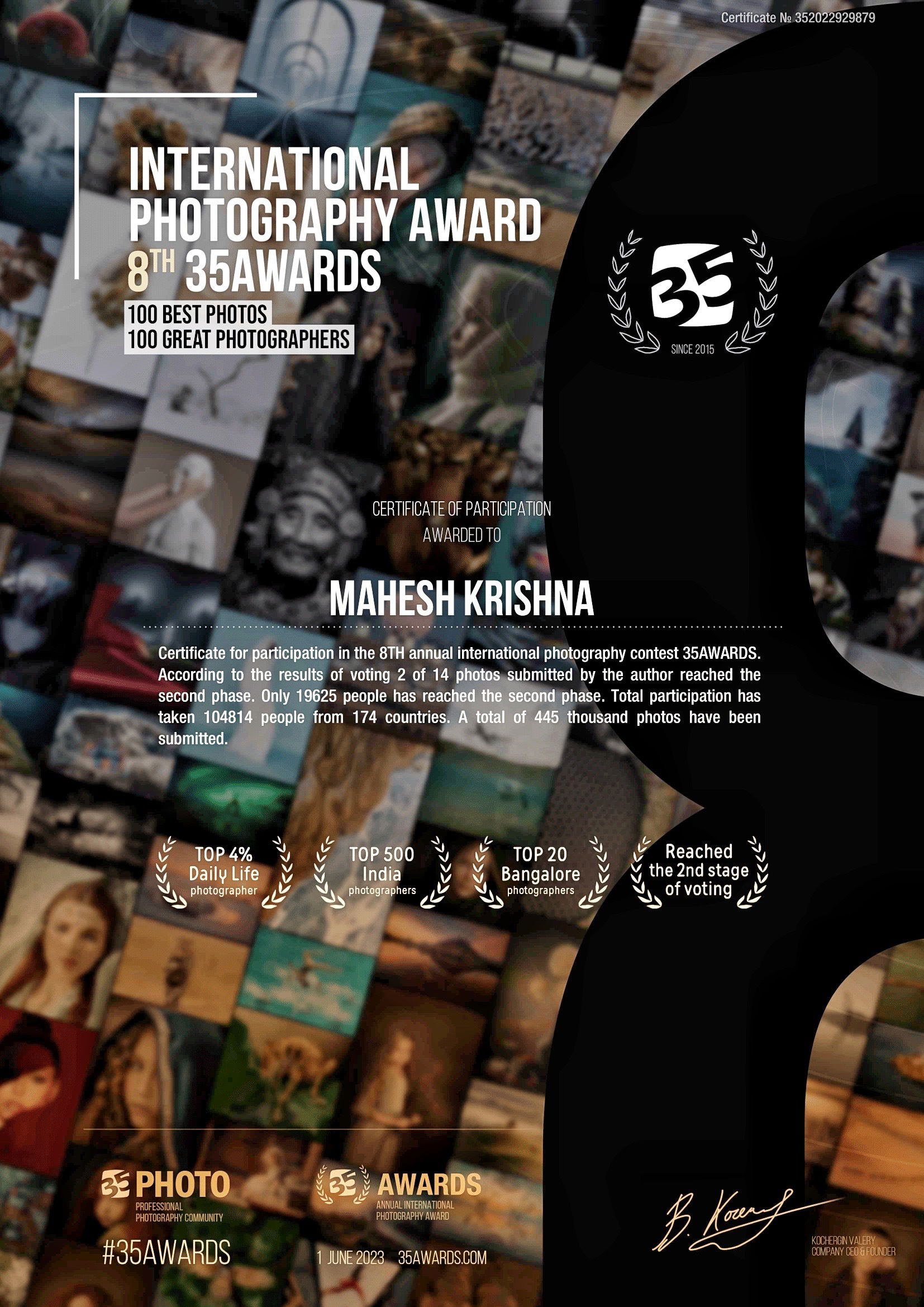
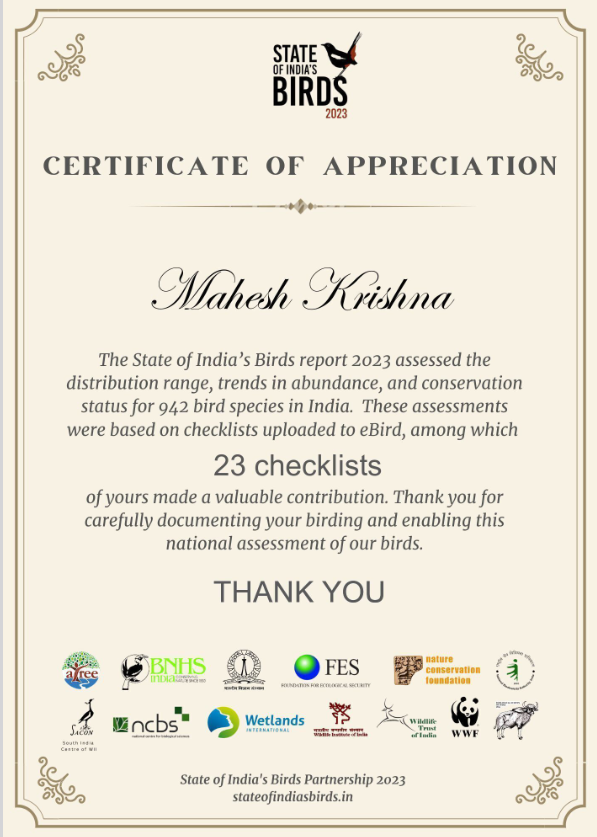
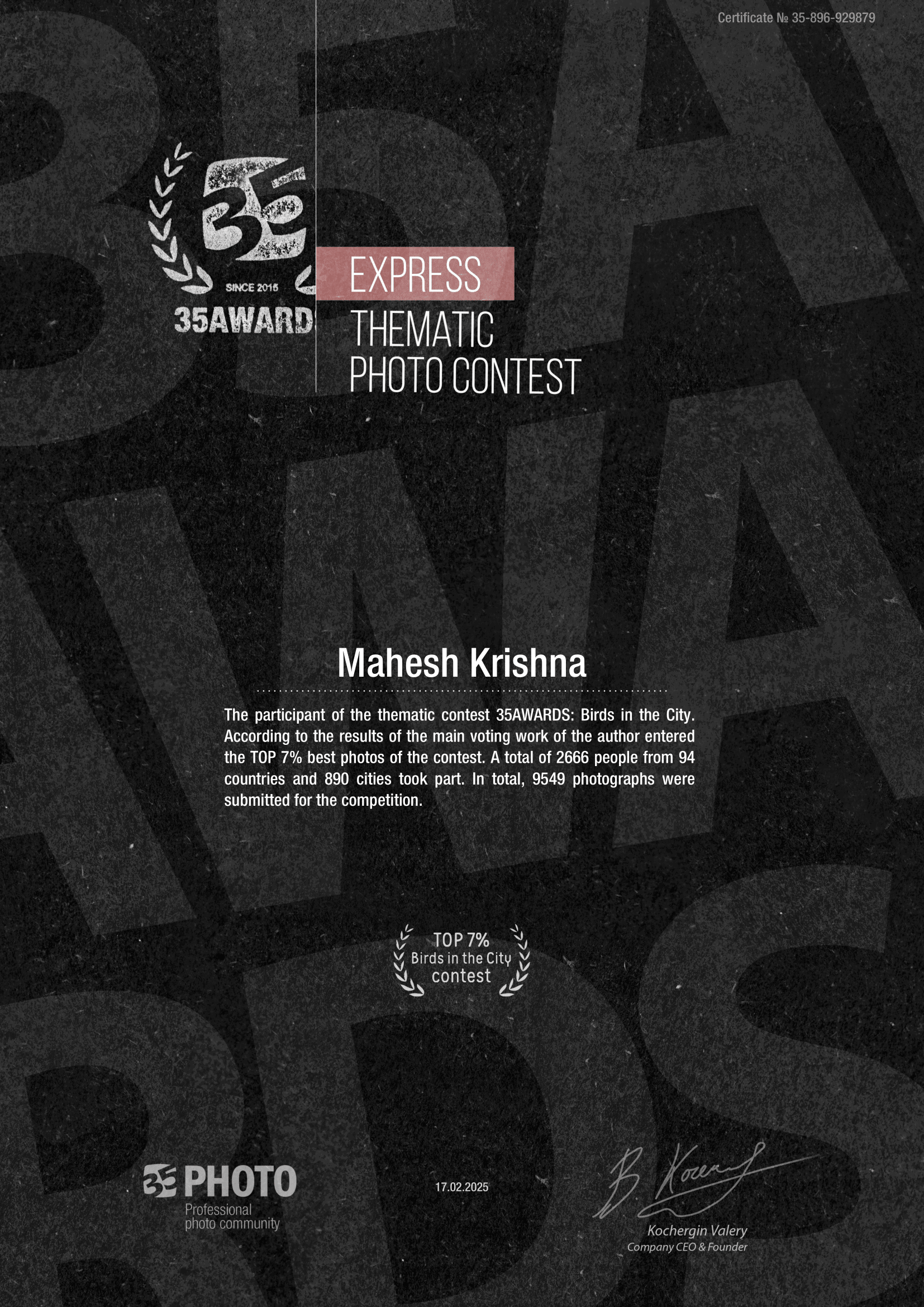
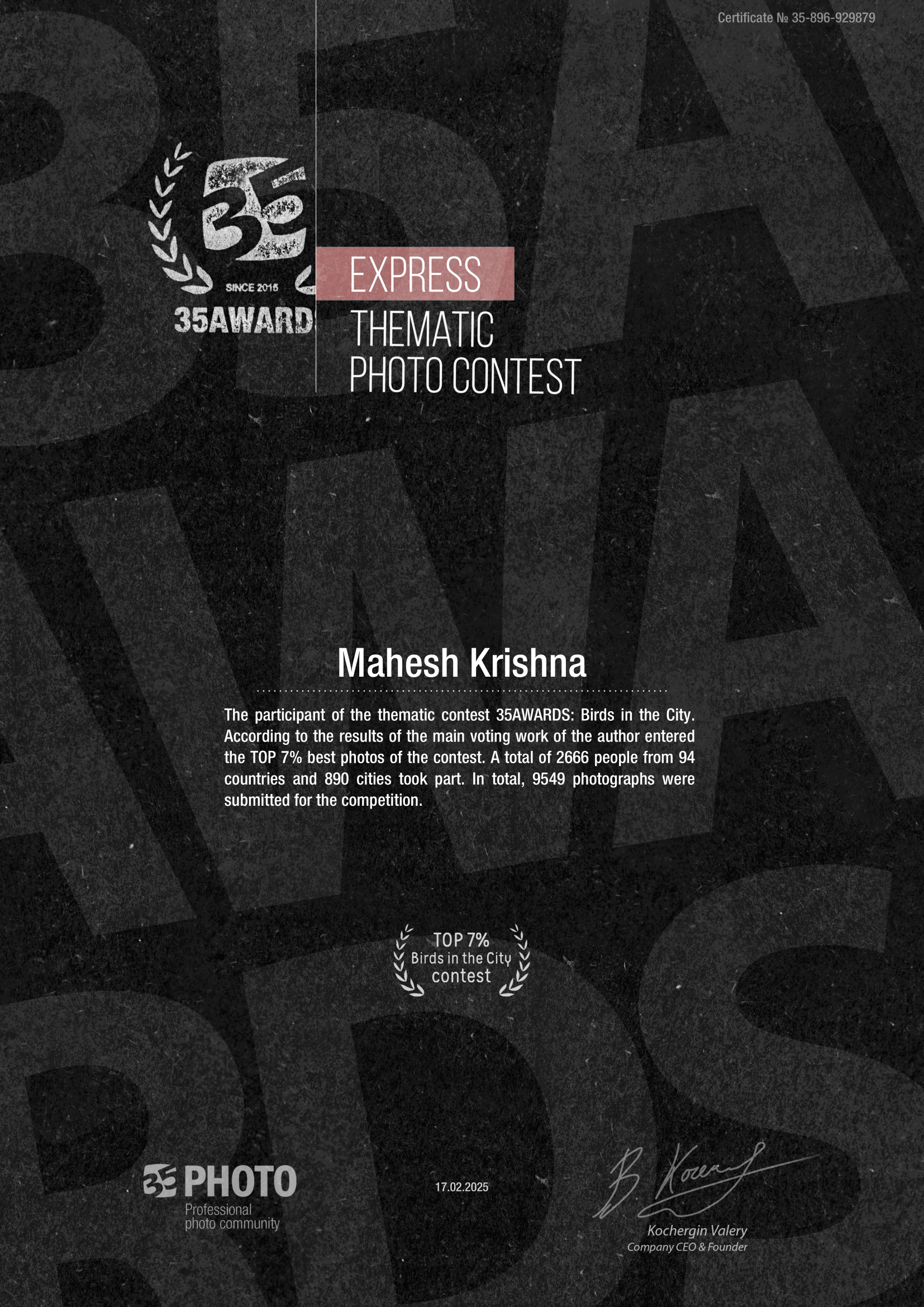
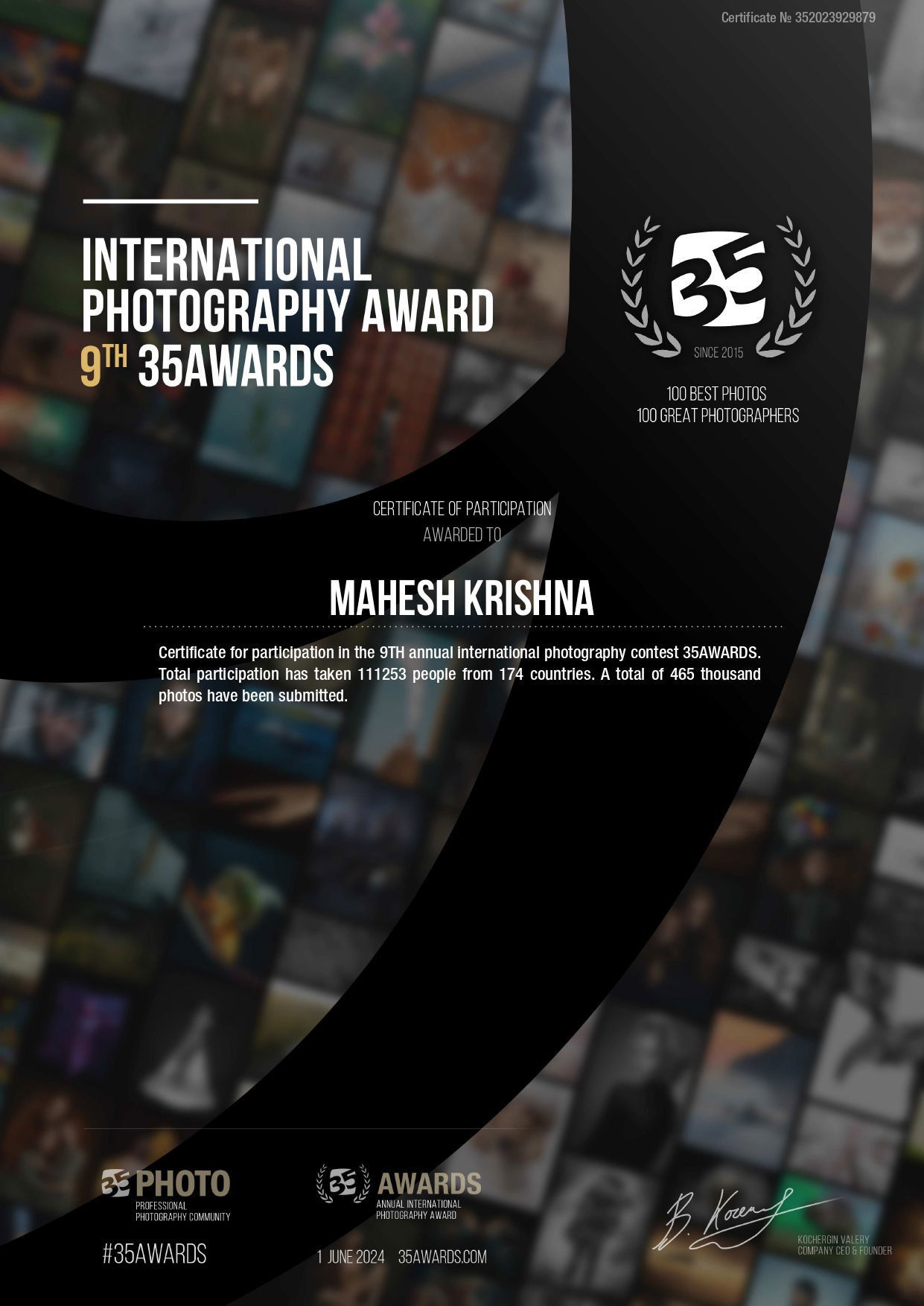
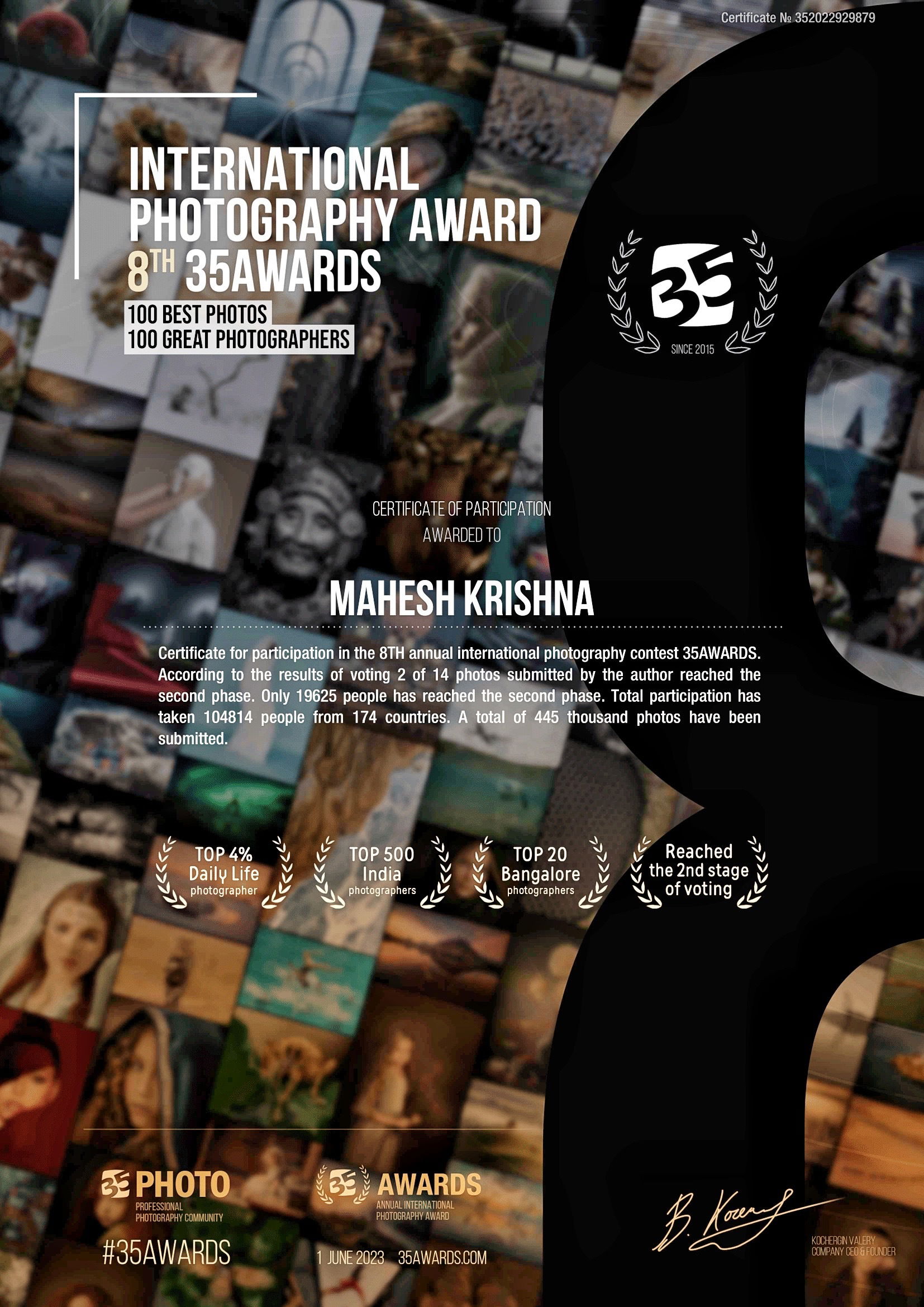
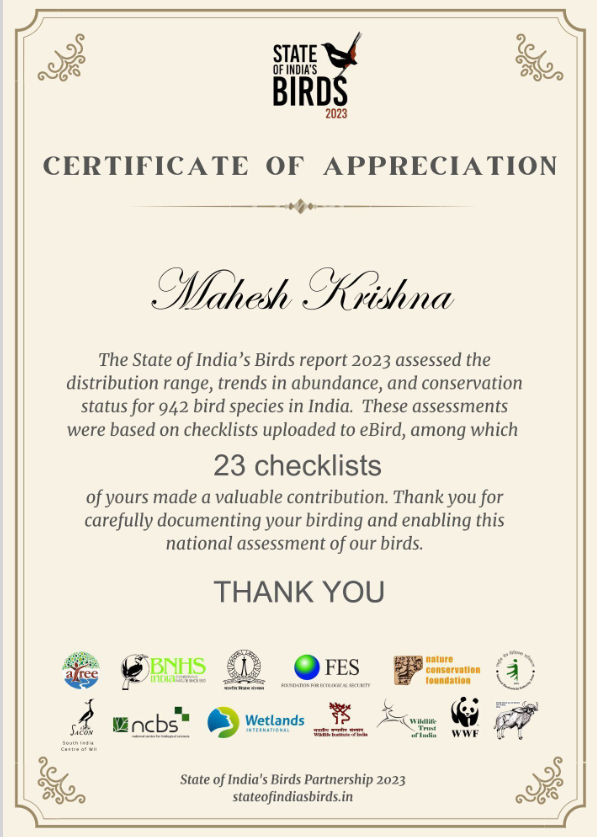
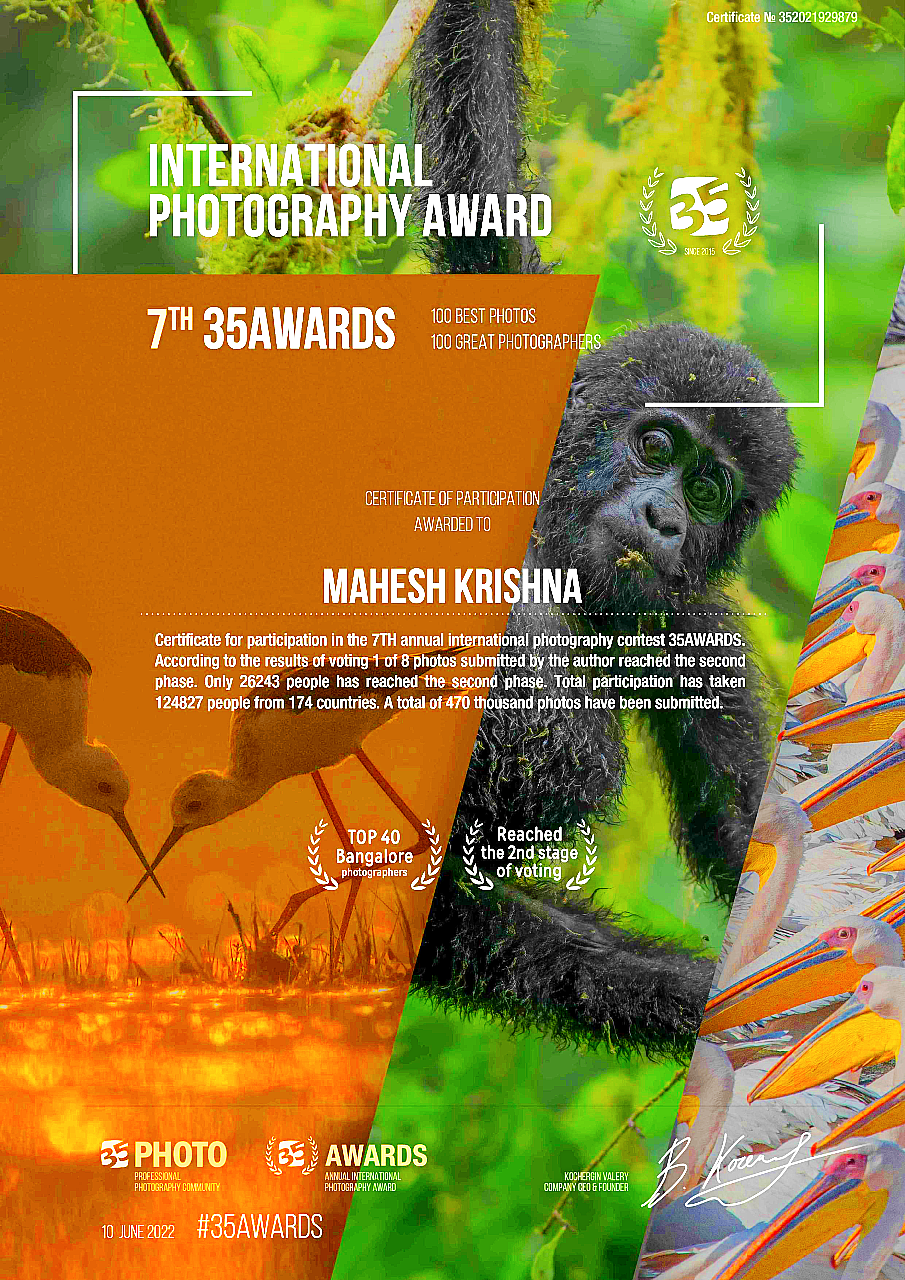
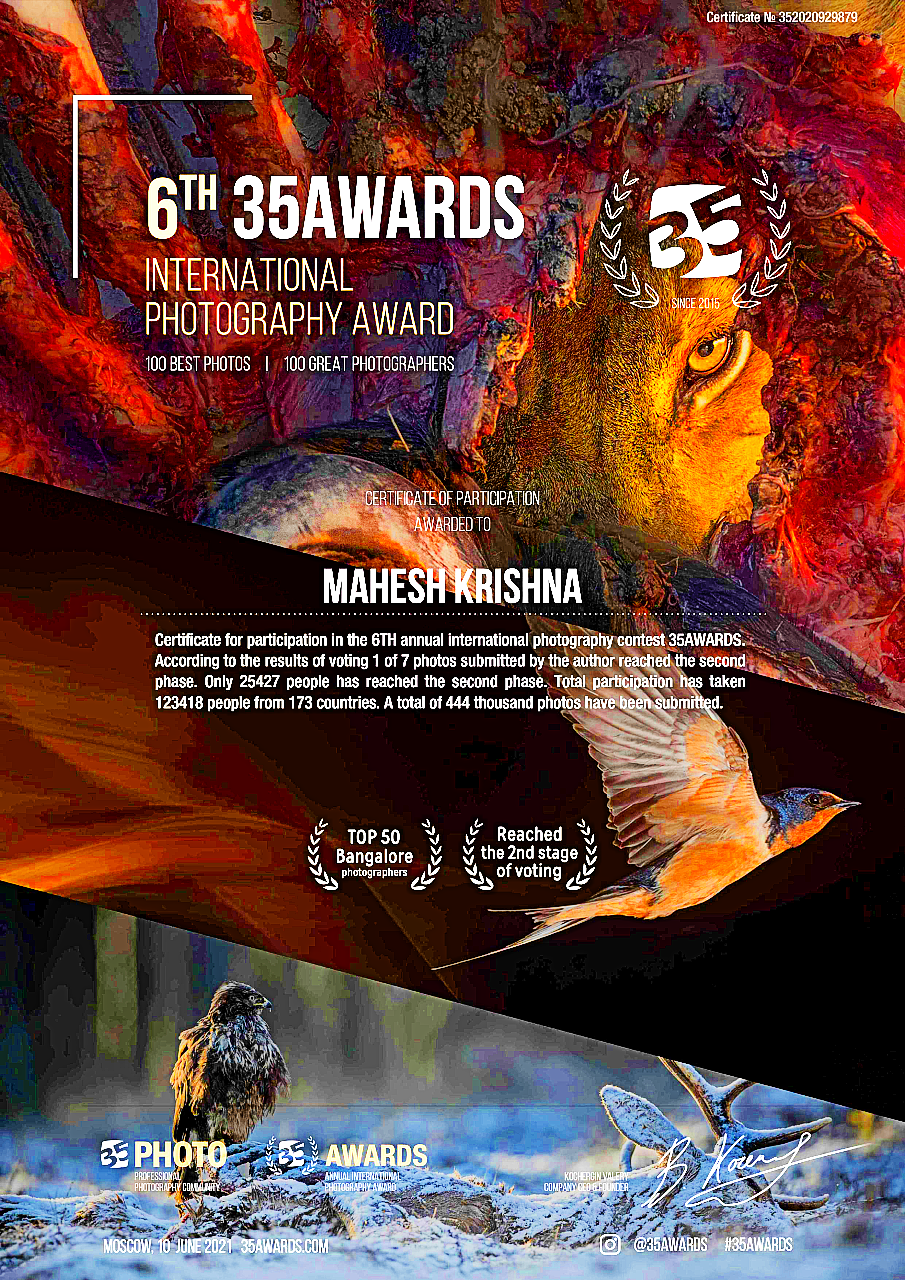
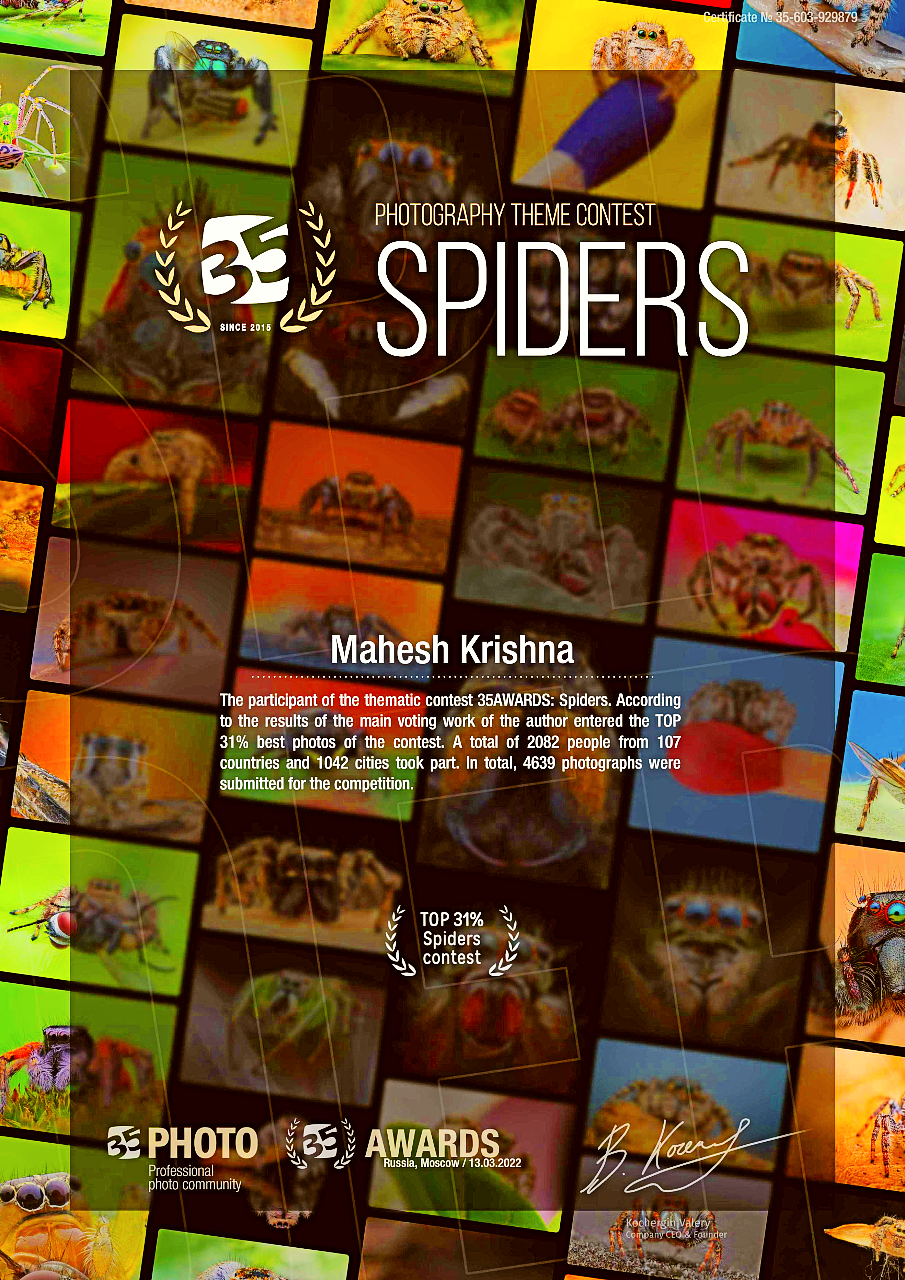
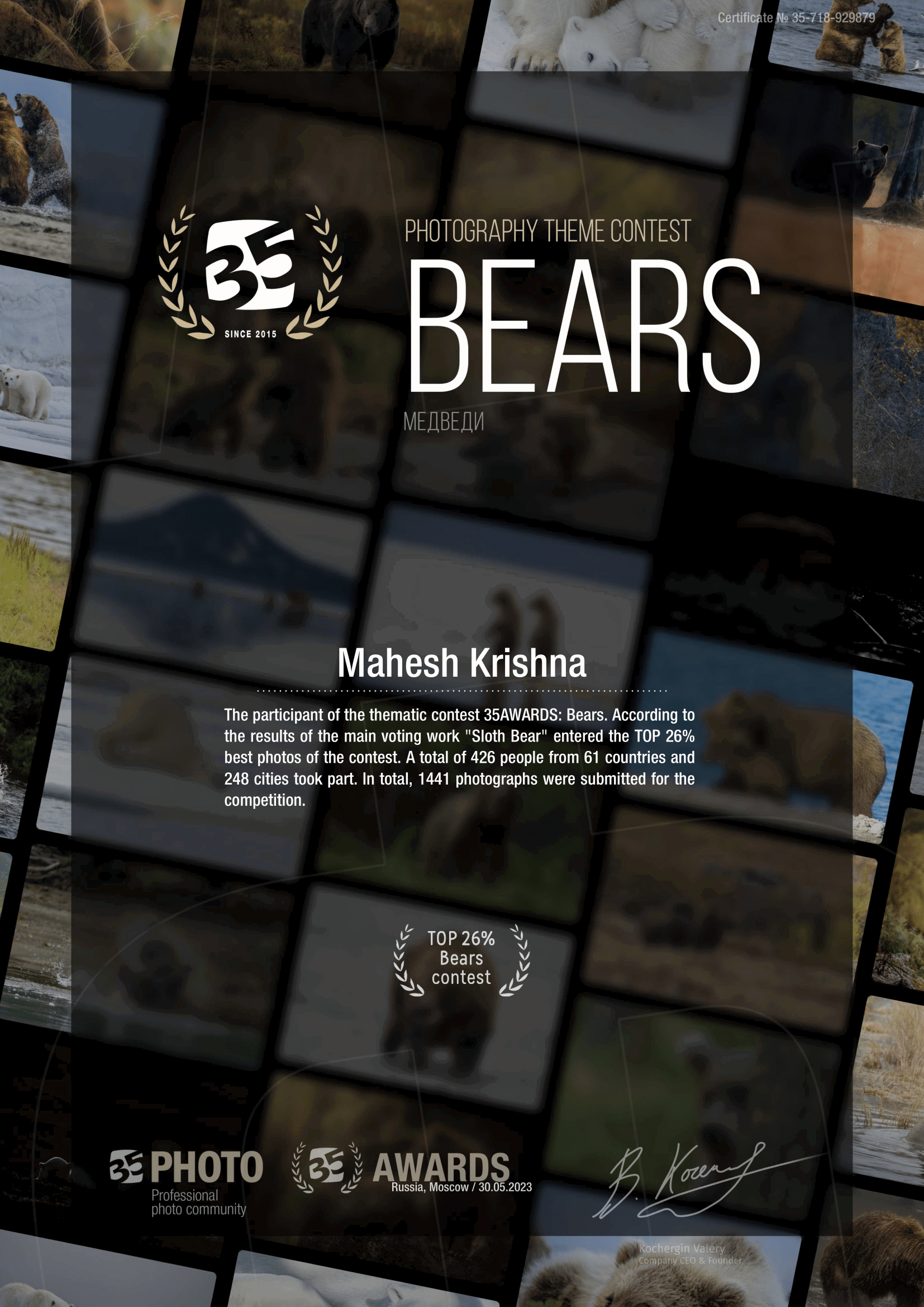
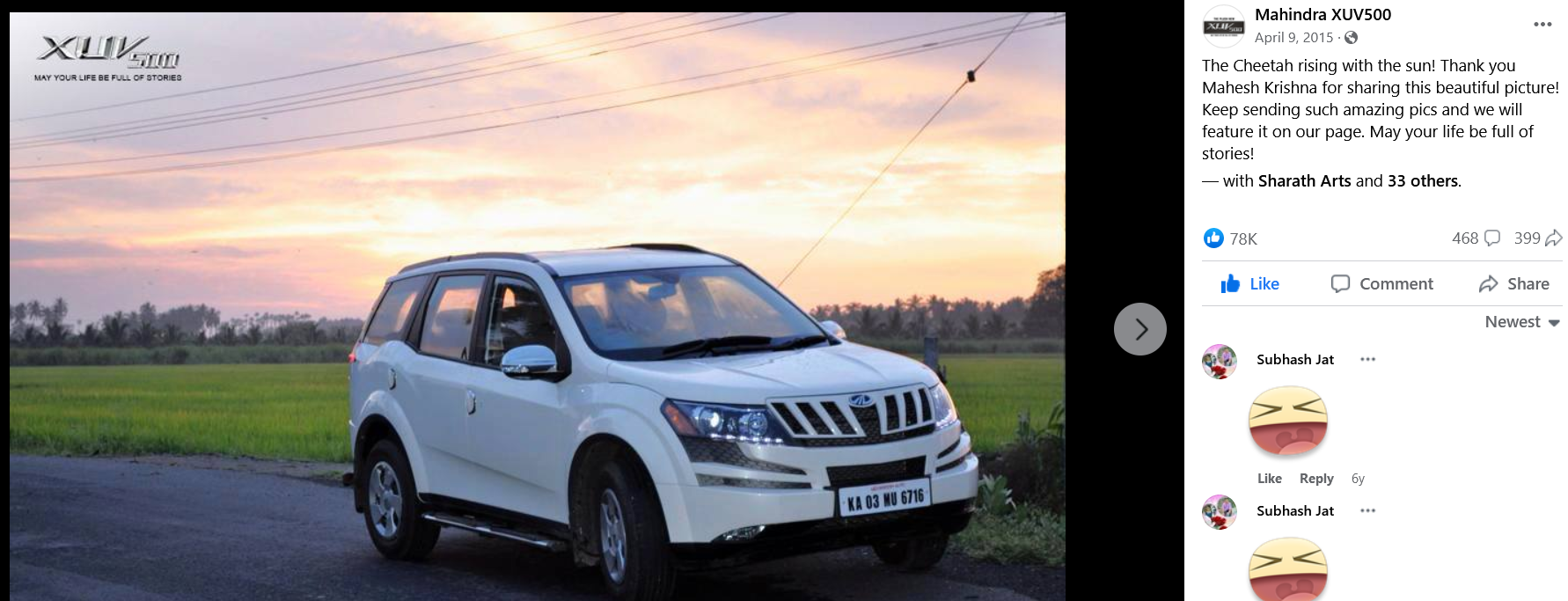
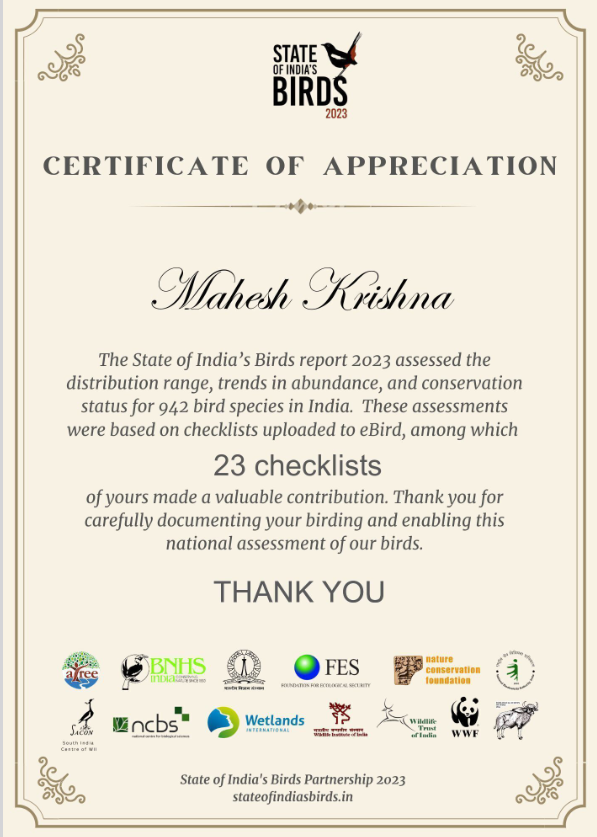
Awards

Contact
- Bangalore, KA, India